
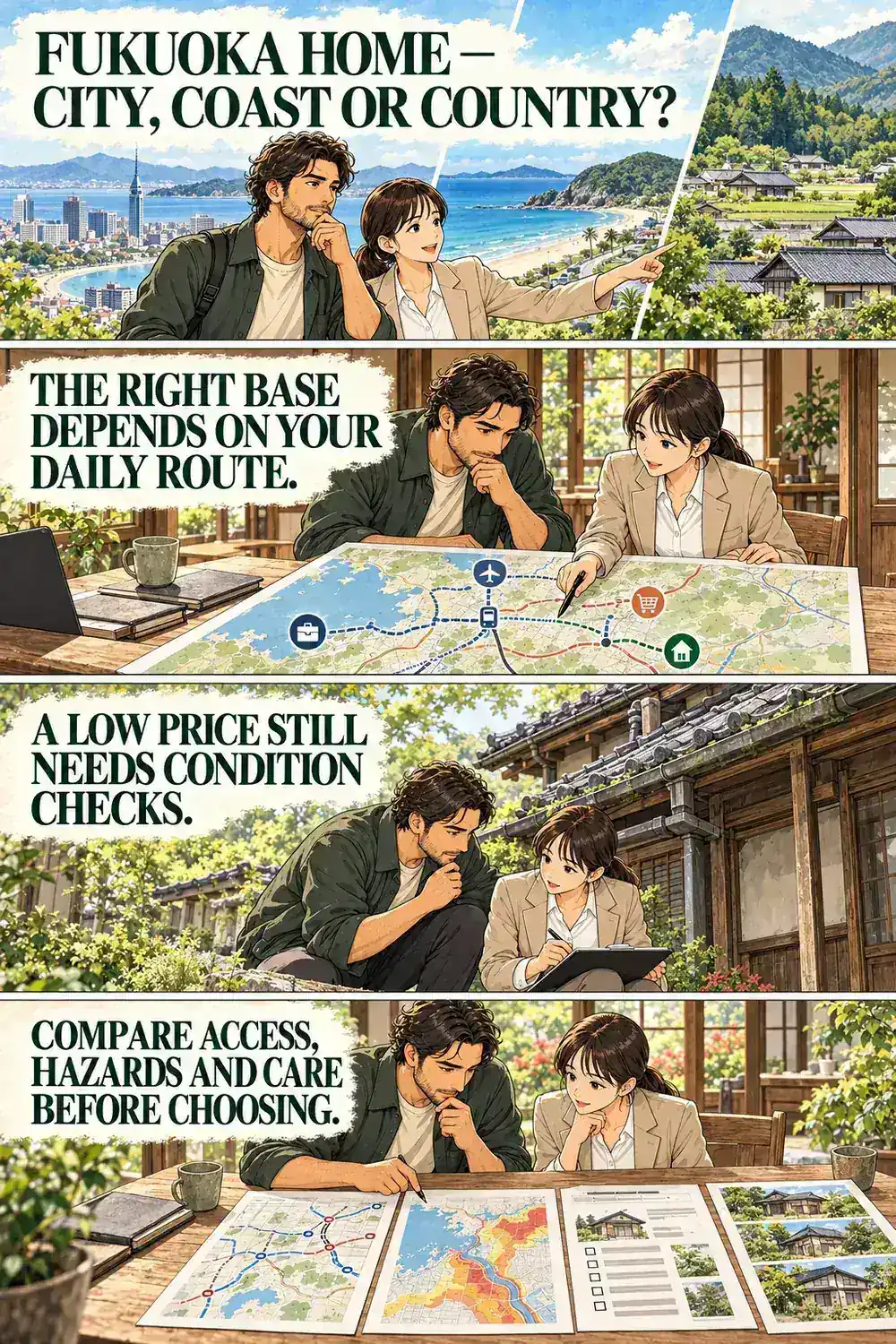
Fukuoka can mean a compact metropolitan base, an Itoshima coast routine, a regional city in Kitakyushu, an inland address in Chikuho, or a slower landscape around Yanagawa and Yame. Those choices sit within one prefecture but create very different transport, weather, maintenance and service patterns. A listing labelled only “Fukuoka” does not tell you which life you are buying.
This guide connects Fukuoka’s city access, coast, historic places, food and countryside with the practical work of choosing a home. Listings, prices and availability change. Treat homes shown online as search leads that still require confirmation, not as a complete or permanent inventory.
Fukuoka at a glance for a home search
- Fukuoka City and nearby suburbs: the strongest airport, rail and everyday-service pattern, with neighbourhood-level differences in housing type, parking, noise, slope and price.
- Itoshima and the western coast: sea and rural scenery close to the metropolitan area, with car dependence, salt exposure, seasonal traffic and storm preparation to verify.
- Kitakyushu and Mojiko: a separate urban base with port history and regional services, where the actual rail, road and neighbourhood route matters more than the prefecture name.
- Chikuho: inland towns and valleys where space may increase but daily driving, drainage, building condition and local contractor access become more important.
- Chikugo, Yanagawa and Yame: canal, agricultural and tea landscapes with distinct town and countryside routines, summer moisture and property-care needs.
The official Fukuoka tourism organisation groups the prefecture into Fukuoka, Kitakyushu, Chikuho and Chikugo regions. Use those as a first comparison, then move immediately to the exact address. Station distance, road width, parking, shopping, healthcare, broadband, municipal services and official hazard layers can change within the same city.
Start with the route you will repeat
Fukuoka Airport publishes current access information for the city, and operators publish current rail and bus timetables. Those are useful starting points, but the meaningful question is the whole trip you will repeat: international arrival, airport or station transfer, intercity leg, final train or bus, and the walk or drive to the house. Check current operator information for your dates instead of relying on an evergreen travel-time claim.
Test that route with luggage, groceries and an evening arrival. Record the last useful service, taxi availability, parking dimensions, road width, fuel or charging stops and a fallback route. If the home will be empty between visits, identify who can check it after heavy rain, strong wind or a water leak. A beautiful place that depends on one difficult last mile may not support the routine you imagine.
Five Fukuoka living patterns to compare
1. Fukuoka City: compact access with urban trade-offs
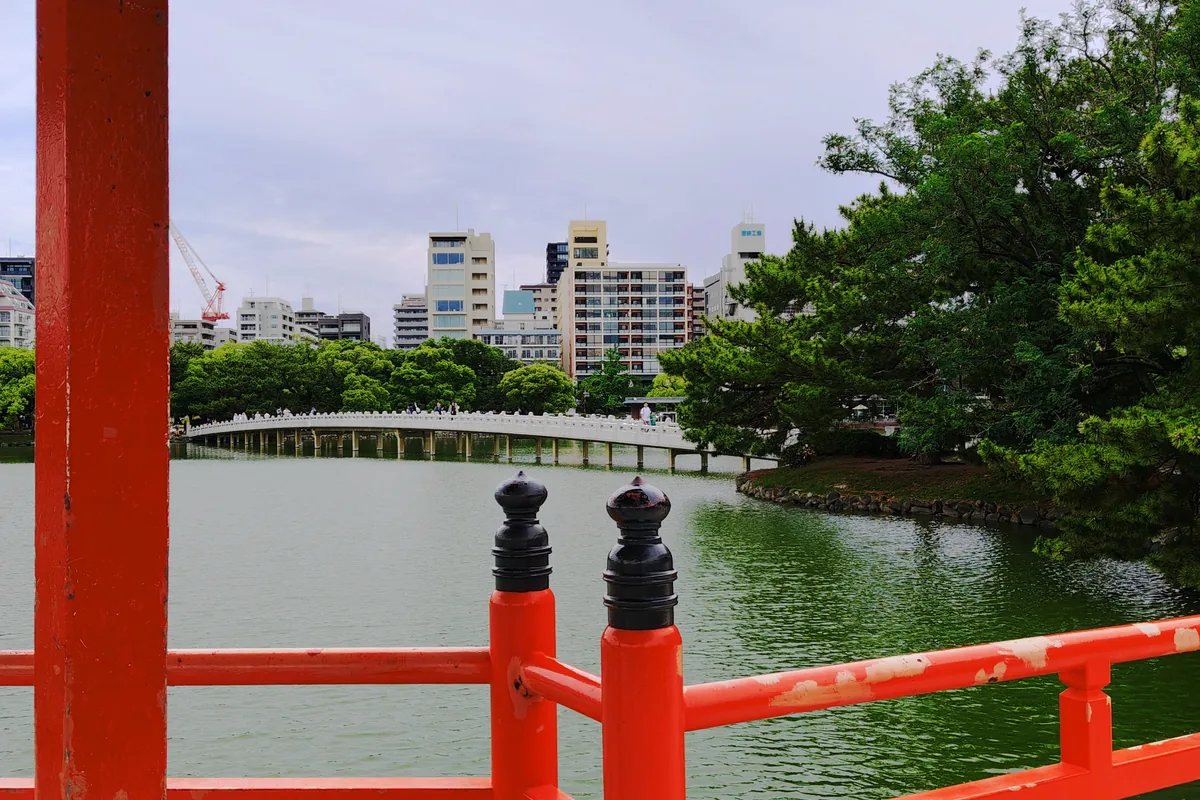
Fukuoka City can suit a buyer who wants airport access, everyday services and a large employment and cultural centre. Central convenience does not make every address equivalent. Compare the station-to-door walk, bus frequency, noise at different times, parking, delivery access, nearby construction and the type of housing around the property. Older detached homes in built-up areas may also have narrow approaches or limited space for repair work.
Walk the final route and visit at more than one time of day. Confirm whether a contractor vehicle can reach the site and whether the entrance, boundary and drainage are clear. Ask for evidence about roof condition, moisture, termites, structure, wiring and plumbing. City proximity can reduce some travel friction, but it does not reduce the need for a qualified inspection or property-specific document review.
2. Itoshima and the western coast: sea access with exposure
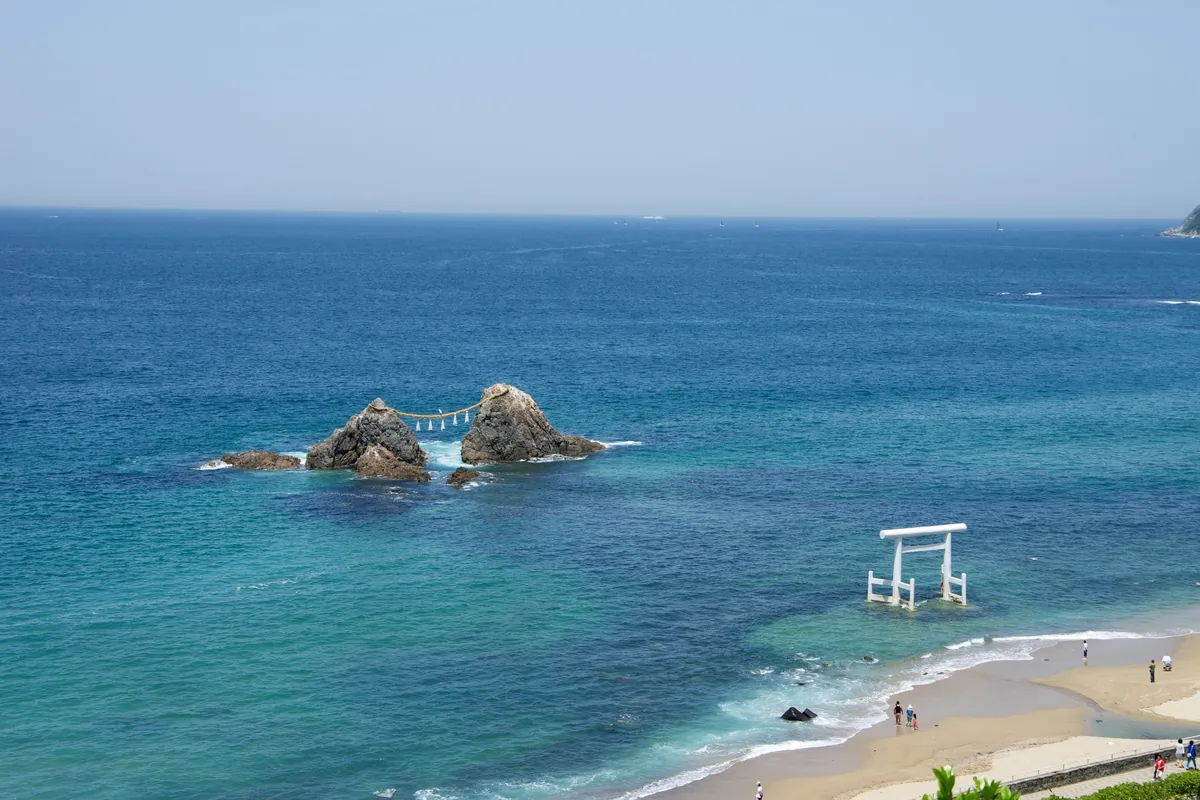
Itoshima is often considered by people who want coastline, food and outdoor space while retaining a relationship with Fukuoka City. The practical fit depends on the exact settlement. Some routines can use rail; others depend heavily on a car. Test the weekday trip to work, school, healthcare and groceries, not only the weekend route to a beach or café.
For a coastal property, ask a qualified inspector to assess exterior metals, fixings, roof, openings and moisture evidence. Check the official tsunami, flood and landslide layers for the exact address and map more than one evacuation route. Confirm wind exposure, drainage, insurance options and who will secure or inspect the home when you are away. “Near the sea” is not enough information to conclude either risk or suitability.
3. Dazaifu and the suburban corridor: heritage near daily services
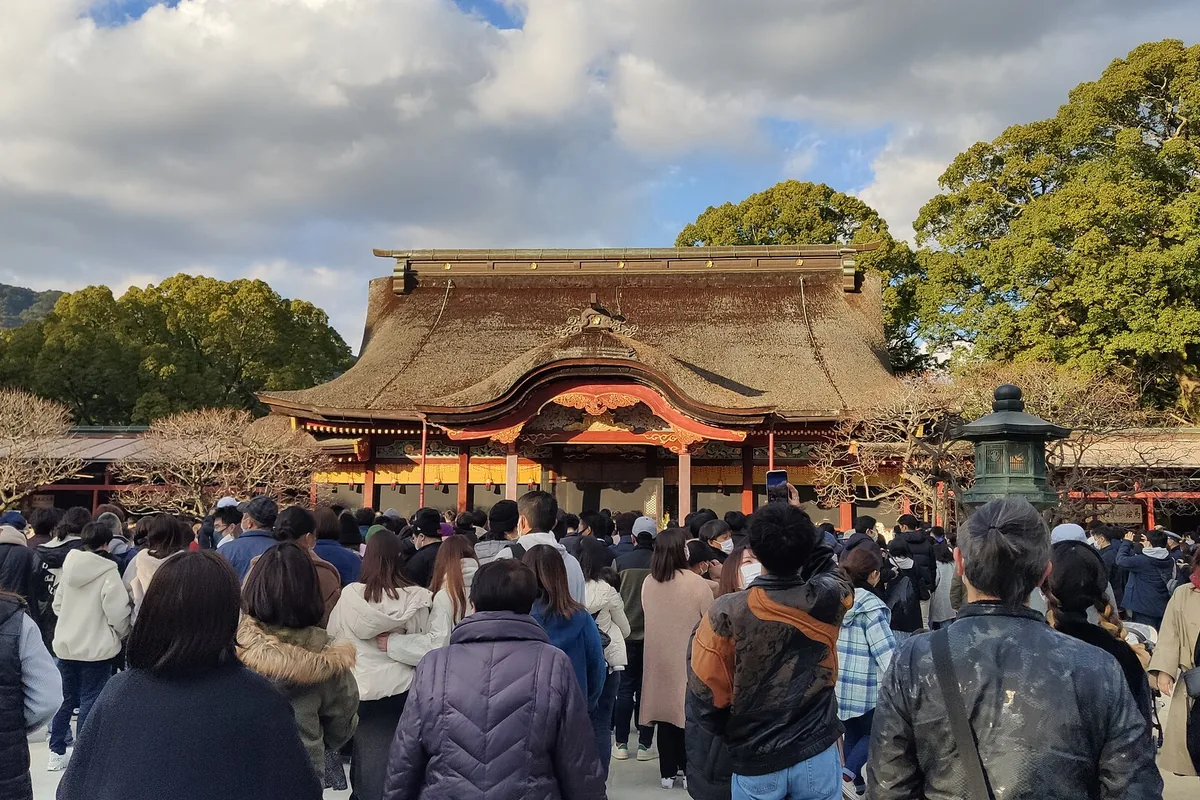
Dazaifu and neighbouring suburban municipalities can provide a middle position between central Fukuoka and a rural base. Dazaifu Tenmangu is an important cultural anchor, but the daily home decision should focus on the residential street. Check station or bus access, slope, traffic, visitor peaks, schools and services, as well as the route to the airport or city appointments you expect to make.
For a home near a historic or busy district, ask the municipality and qualified professionals about any applicable planning or renovation constraints before designing work. Confirm parking, road frontage, utility arrangement, boundaries and access for repair vehicles. Do not infer that a preserved destination area makes an individual building ready for occupancy.
4. Chikuho: inland space and a car-based routine
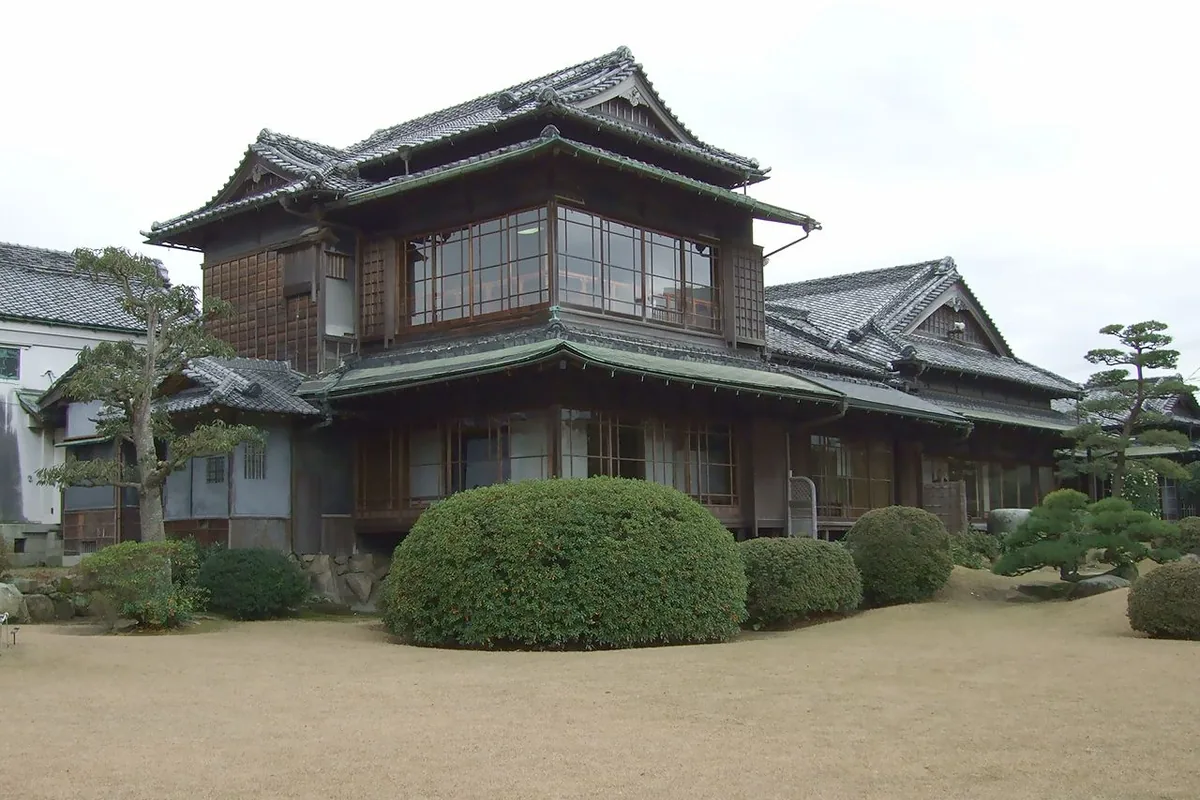
Chikuho includes inland cities and towns with a different scale from coastal Fukuoka. A lower-density address may offer space, storage or a larger garden, but often shifts more daily work to the household. Map groceries, clinic access, municipal offices, rubbish rules, school or work travel and the contractor network. Check whether the route is practical in heavy rain and whether visitors can find and reach the property.
Older rural buildings deserve a deeper inspection, not a lower standard because the asking price is modest. Request evidence for moisture, termites, structure, roof, foundations, wiring, plumbing, drainage, boundaries and recorded alterations. Confirm whether outbuildings, retaining structures or land uses create separate questions. The responsible licensed real-estate company and qualified professionals should explain the property-specific facts.
5. Kitakyushu and Mojiko: a second urban system
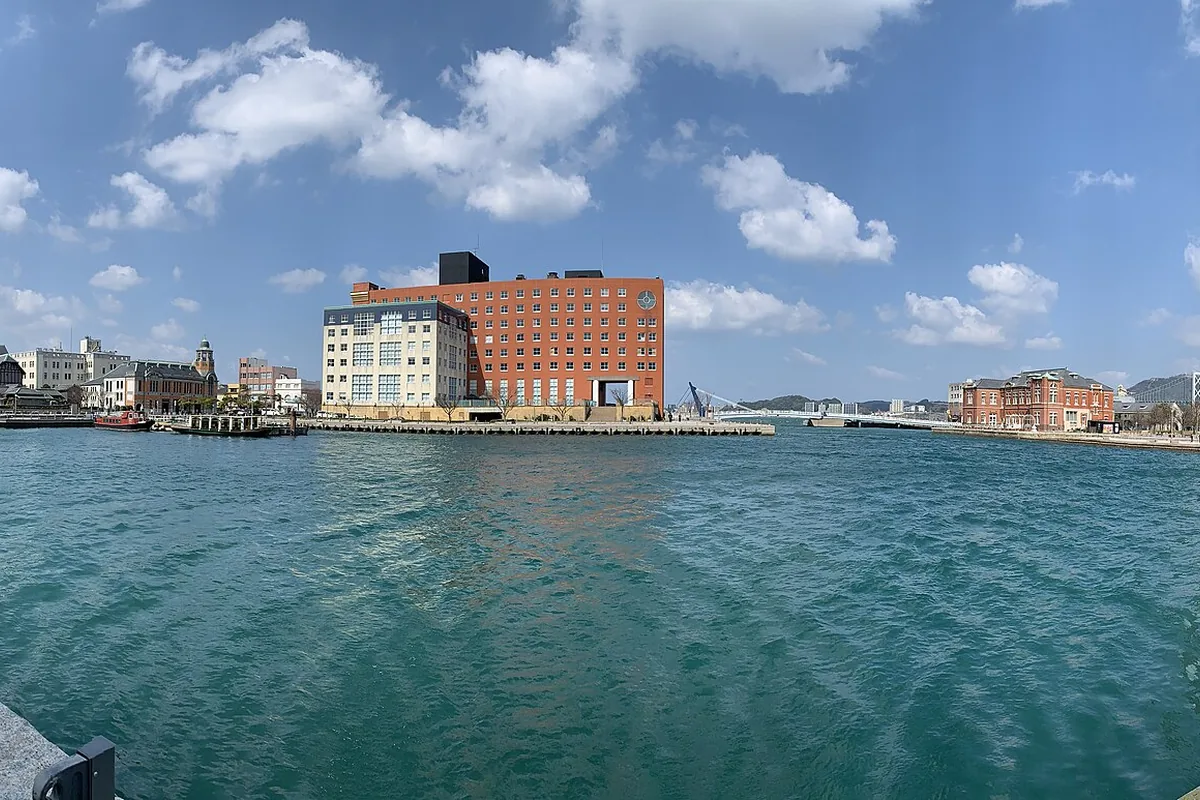
Kitakyushu has its own employment, services, rail stations and neighbourhood patterns. It should be evaluated as a separate urban base, not simply as another Fukuoka City suburb. Mojiko’s waterfront and historic buildings show one side of the city; an ordinary residential address may have a very different terrain, road approach and service pattern.
Map the route to the station or expressway you will actually use and test the final slope or bus connection. For coastal or hillside addresses, check the relevant official tsunami, flood and landslide layers at address level. For older homes, confirm ventilation, corrosion, drainage and repair access. A broad city label cannot replace those checks.
Chikugo, Yanagawa and Yame: water, agriculture and care
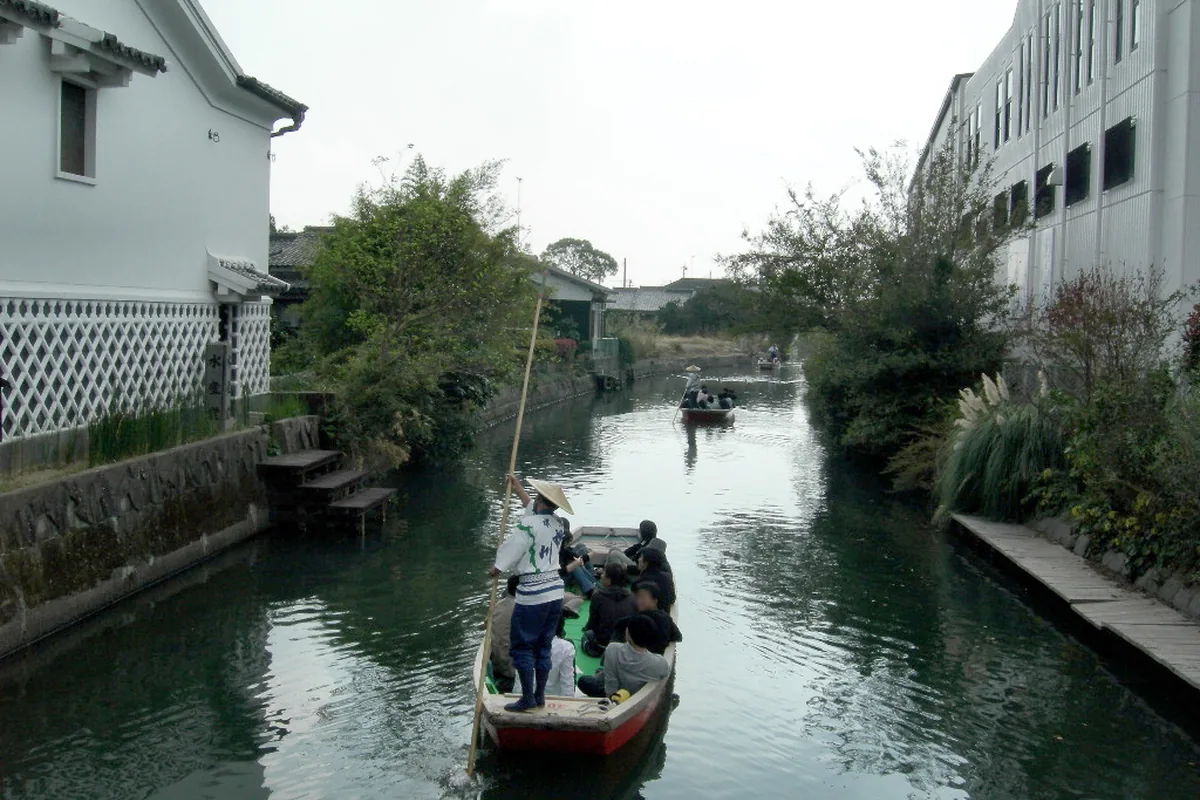
Southern Fukuoka brings a different landscape around Kurume, Yanagawa, Yame and nearby towns. Yanagawa’s canals and Yame’s tea fields are meaningful local anchors, yet a home search should translate them into ordinary questions. Which station, road and hospital serve the address? Is the home in a dense town, an agricultural edge or a hillside settlement? Who maintains the garden, drains and exterior between visits?
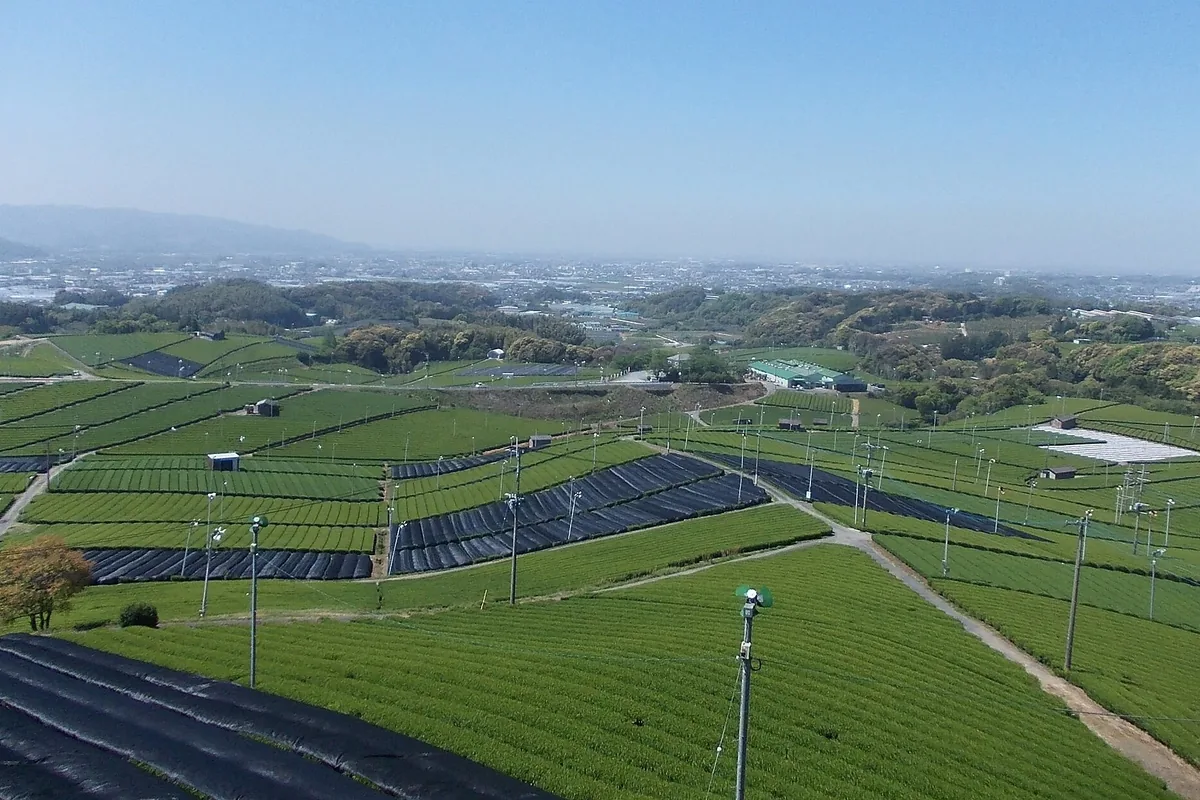
Where watercourses or low ground are nearby, use the prefecture and municipal flood maps and confirm elevation, drainage and evacuation routes. In hillside or mountain-edge areas, add landslide-zone screening. Ask who clears vegetation, checks gutters and ventilates the building. A large site can be an asset only when the time, tools and local support required to care for it are part of the plan.
Food and culture help test the place, not the building
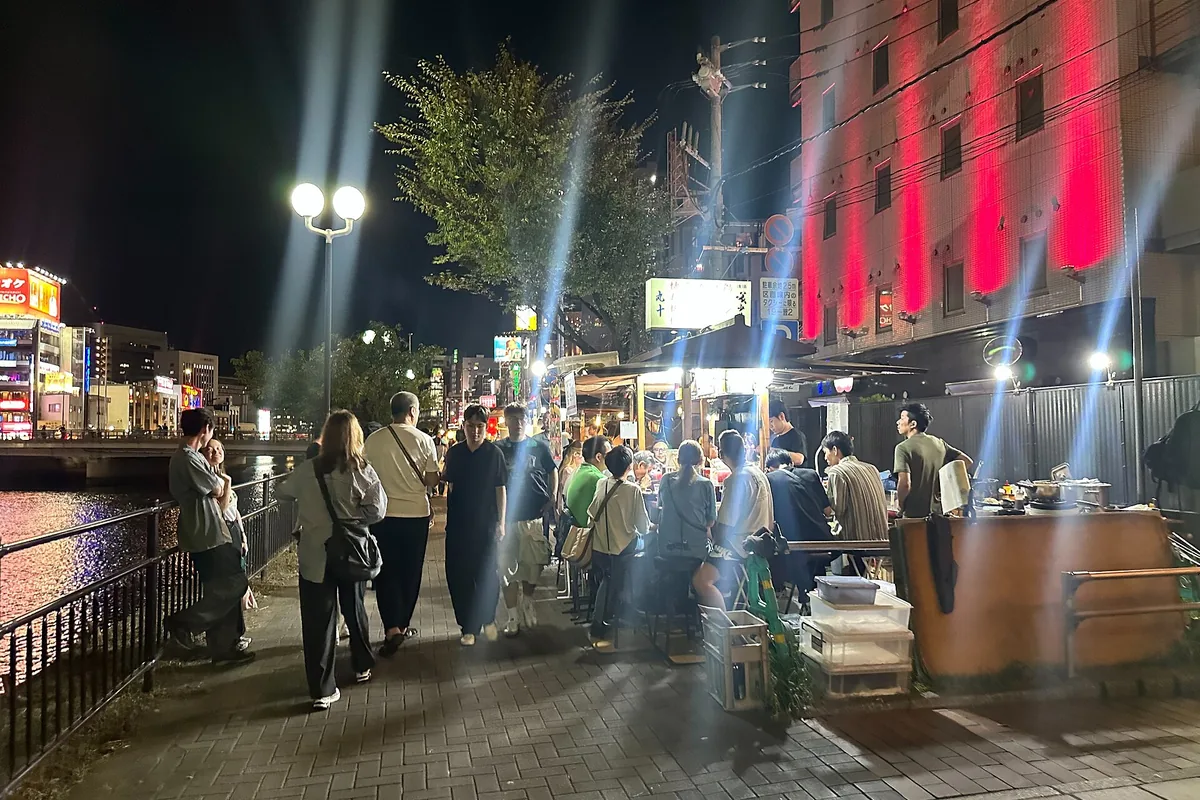
Official tourism sources highlight ramen, seafood, mentaiko, fruit and other regional foods, while yatai are a visible part of Fukuoka City’s evening culture. These are valid reasons to spend time in the prefecture before choosing a home. Use that time to test the less visible routine: morning transport, a weekday supermarket, clinic access, weather, neighbourhood sound and the return trip after dark.
Culture and landscape help reveal what you value, but they do not establish title, condition, permitted use or availability. Keep the emotional reason for choosing Fukuoka, then verify the individual property through the responsible licensed real-estate company and qualified professionals.
Filter a Fukuoka property with four evidence layers
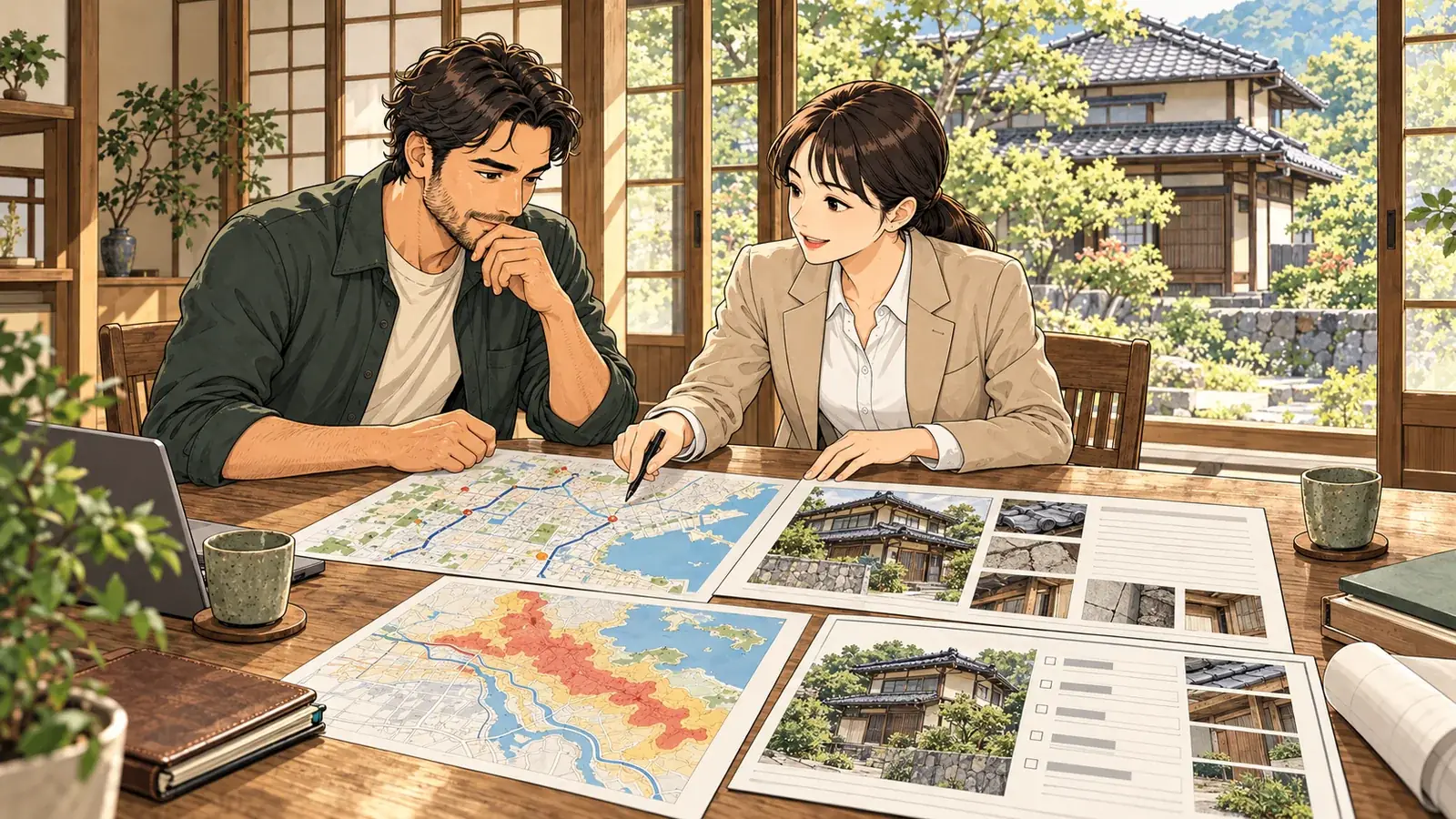
- Daily route: airport, station, work, shopping, healthcare, final walk or drive and a fallback route.
- Building condition: qualified inspection evidence for structure, roof, moisture, termites, utilities, drainage and recorded work.
- Address-level hazards: applicable flood, tsunami and landslide layers, evacuation routes and the latest municipal information.
- Ongoing care: ventilation, gardens, gutters, security, insurance, utilities and a trusted local contact during absence.
Check hazards by address, never by prefecture reputation
Fukuoka Prefecture publishes flood, tsunami and landslide information, and the national Hazard Map Portal provides combined screening layers. Use those tools for the exact property and cross-check the municipality’s latest map and evacuation guidance. A hazard layer is a screening input, not a conclusion that a house is safe or unsafe.
For coastal addresses, review tsunami and storm exposure. For rivers, canals or low ground, review flood depth, route and drainage. For slopes, valleys or retaining walls, review landslide zones and obtain appropriate professional advice. Check more than one exit route and ask how the house has performed during previous severe weather, while treating seller statements as evidence to verify.
Keep three budget buckets separate
- Property price: the agreed purchase price, subject to current availability and negotiation by the responsible licensed real-estate company.
- Transaction, tax and professional costs: property-specific estimates for registration, taxes and qualified professional work.
- Renovation and readiness: inspection, repairs, utilities, furnishings, internet, garden, security, insurance and absence management.
Do not combine these into one rough percentage. A modest purchase price can sit beside substantial repair or access work, while a newer home may shift spending elsewhere. Ask each responsible professional for a property-specific written estimate and leave a contingency for evidence that appears after a deeper inspection.
Can the purchase be coordinated from overseas?
Parts of the process can often be coordinated remotely, but the route depends on the property, seller, documents and professionals involved. A licensed real-estate company handles regulated brokerage, negotiation and contract work. A judicial scrivener handles title-registration work, while legal and tax questions go to the appropriate qualified professionals. Do not assume every signature, inspection or identity check can be completed in the same way.
Akiya Journey can organise the buyer’s brief in English, structure questions, keep the evidence trail visible and coordinate communication with the responsible professionals. Before travelling, decide which decisions require your presence, which inspections can be documented remotely and who will manage the house after handover.
A practical Fukuoka shortlist
- Choose two contrasting living patterns, such as Fukuoka City and Itoshima, or Kitakyushu and Chikuho.
- Map one repeatable weekday route and one late-arrival fallback for each.
- Open the official hazard layers for the exact address and save the relevant municipal pages.
- Request the same condition, document and utility evidence for every property.
- Build three separate budget buckets and assign who will care for the home between visits.
Homes to explore in Fukuoka
View the current public Fukuoka property selection. Availability, price and status can change, and some suitable homes may not be shown publicly. Confirm current details with the responsible licensed real-estate company before relying on a listing.
Plan the next step
If Fukuoka is on your shortlist, bring your intended use, travel pattern, budget, preferred setting and care plan to a focused conversation. Book a free 30-minute consultation with Akiya Journey to organise the brief and identify the next evidence to request.
Frequently asked questions
Is Fukuoka City the only practical base?
No. It depends on the route and services you need. Itoshima, Kitakyushu, Chikuho and Chikugo can support very different routines. Compare the complete door-to-door journey and absence-management plan rather than choosing by a famous place name.
Can Akiya Journey help beyond the public listings?
Yes. The public selection is a starting point, not the whole market. Share the area, budget, use, access, layout, garden, parking and absence-management criteria that matter. Akiya Journey can organise the brief in English and coordinate a broader search with partner licensed real-estate companies.
Does a low price mean a Fukuoka home is a bargain?
Not by itself. Verify location and demand, condition and renovation scope, access, legal and registry questions, boundaries, occupancy and contents, utilities, hazards and sale conditions. Only the responsible qualified professionals can make the property-specific determinations.
Official planning resources
- Fukuoka Airport: current access information
- Official Fukuoka tourism: four-region cultural landscape
- Fukuoka Prefecture: flood information
- Fukuoka Prefecture: tsunami information
- Fukuoka Prefecture: landslide zones
- MLIT/GSI Hazard Map Portal
Image credits: Ohori Park — Hirho, CC BY 4.0; Futamigaura — yuki5287, CC BY 2.0; Dazaifu Tenmangu — Drivephotographer, CC0; Old Ito Denemon House — Muyo, CC BY-SA 3.0; Mojiko Retro — Project Kei, CC BY-SA 4.0; Yanagawa — みんと, public domain; Yame tea fields — STA3816, CC BY-SA 4.0; Hakata yatai — Nesnad, CC BY 4.0. Images were cropped, resized and converted to WebP; share-alike adaptations remain under their source licences.
Akiya Journey is not a licensed real-estate company, law firm, tax accounting firm or judicial scrivener’s office. The regulated parts of a purchase — negotiation and contract work, title registration, and legal or tax advice — are carried out by the licensed professionals responsible for them. Akiya Journey organises information in English, keeps you informed as the purchase progresses, and coordinates between you and those professionals. This article is general information only and is not legal or tax advice. Consult the relevant qualified professional before making a purchase decision.