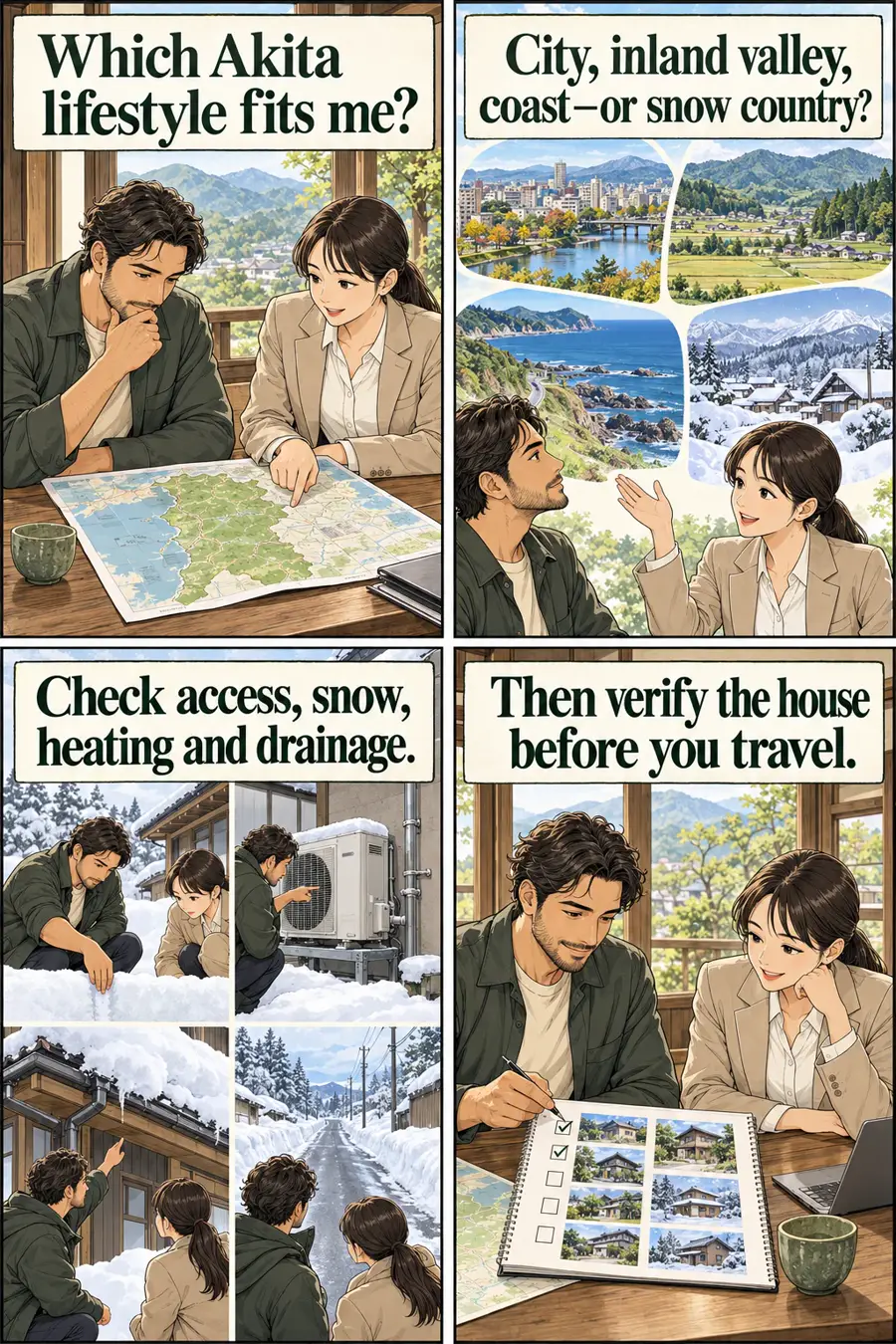
Akita is not one simple snow-country housing market. A home near Akita City, an inland house around Daisen or Semboku, a northern-valley property in Kitaakita, and a coastal address below Mount Chokai can create very different transport, winter and maintenance routines. The useful question is not whether Akita looks peaceful. It is whether one exact address works through winter, during ordinary errands and while you are outside Japan.
This guide uses official prefectural, transport, tourism and climate sources. It does not promise that an area or property is suitable. It gives overseas buyers a practical way to compare Akita’s main living patterns before creating a shortlist and arranging specialist checks.
Akita at a glance: four operating patterns
- Akita City and the central coast: the main rail, airport, medical and shopping base, with urban, suburban and coastal conditions.
- Daisen, Semboku and the inland basin: regional towns, farmland, Kakunodate, Lake Tazawa and heavier winter planning away from the coast.
- Kitaakita and the northern valleys: mountain rail and road corridors where distance, snow clearing and local services become part of ownership.
- Yurihonjo and Nikaho: Sea of Japan and Mount Chokai landscapes, with wind, salt, drainage, car access and regional-service checks.
Akita Airport publishes separate current ground routes to Akita City, Kakunodate, Lake Tazawa, Nyuto Onsen, Oga and the southern coast. JR and local operators connect different corridors, but a timetable is not a property guarantee. Compare the complete journey from the front door, including the final road, winter disruption, luggage, parking and a backup route.
Choose an address by routine, not by scenery
1. Akita City: build the door-to-door chain
Akita City offers the prefecture’s broadest concentration of rail, airport buses, shops, hospitals and contractors. The airport’s official access page currently describes a direct limousine-bus link to Akita Station and separate reservation-based services to other areas. Treat those as planning inputs and verify the current operator schedule before every trip.
For each house, test groceries, healthcare, work, school and the station from the actual entrance. Record the final road width, gradient, turning space, winter parking, drainage and whether the route is publicly maintained. A short map distance can still be inconvenient when snow narrows the road or when the nearest bus is infrequent.
2. Daisen and Semboku: attractive inland life needs a winter plan
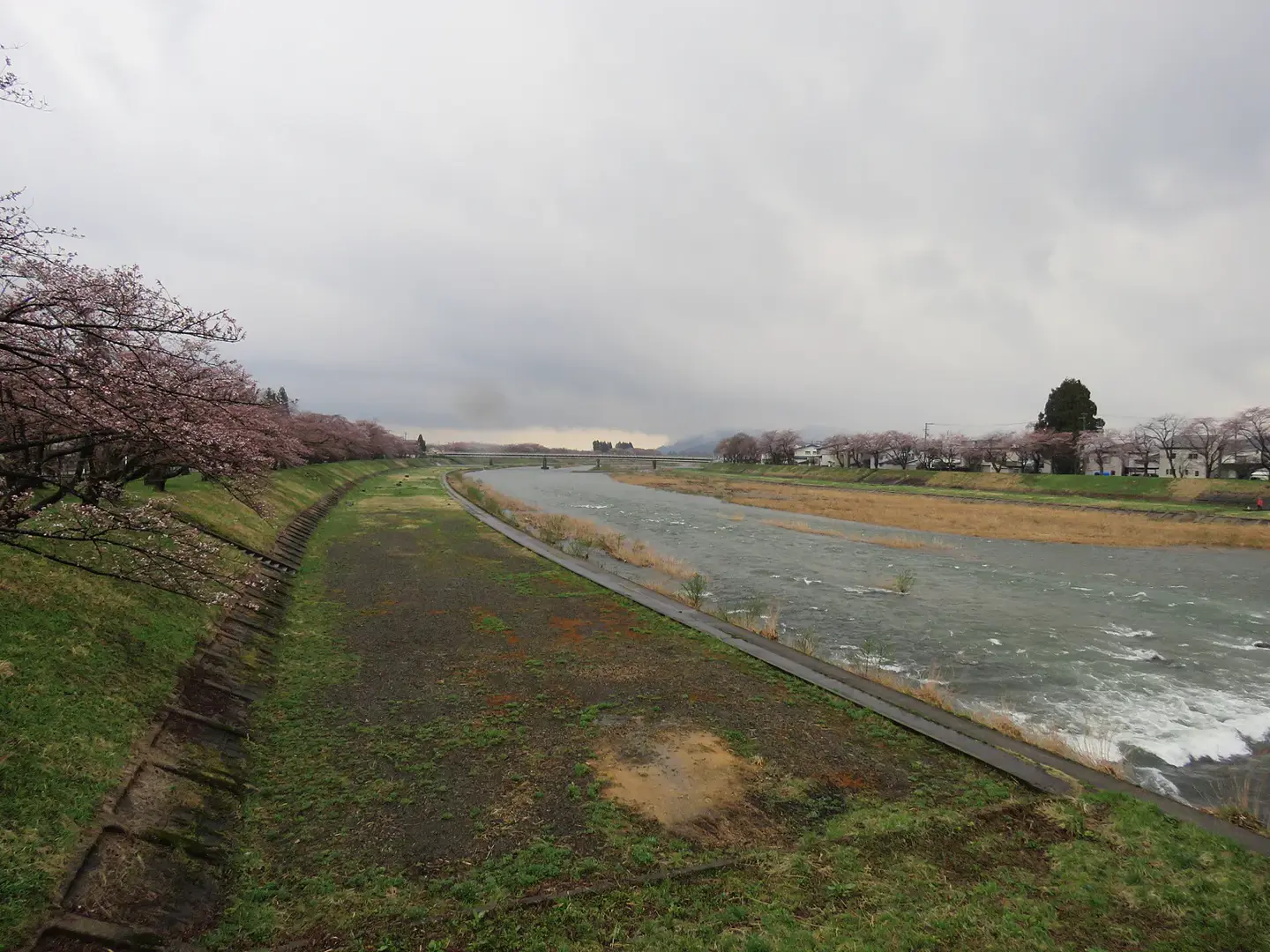
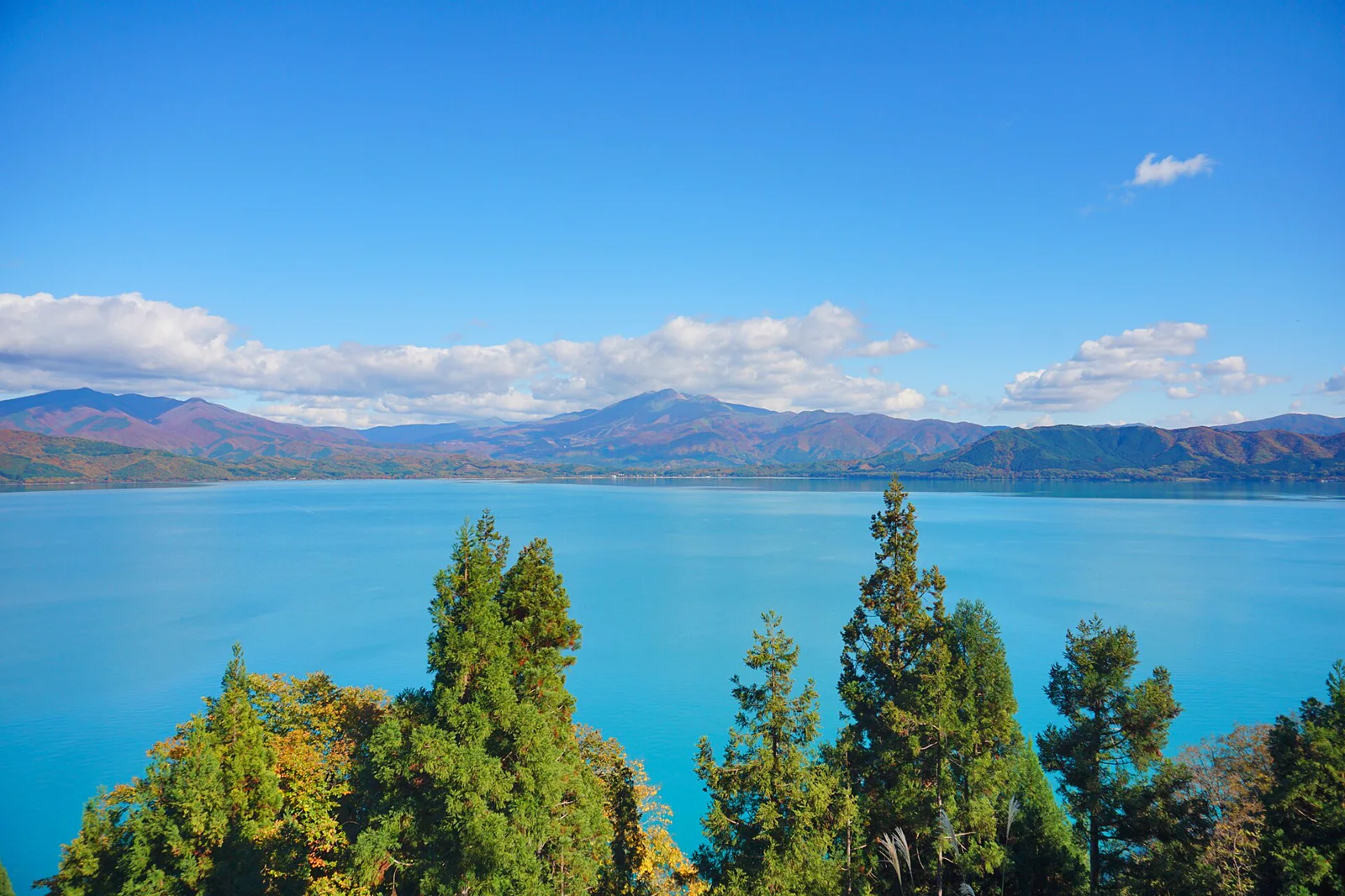
Daisen and Semboku combine regional-town services with farmland, lakes, mountain roads and tourism areas. Kakunodate and Lake Tazawa can be reached through the Akita Shinkansen corridor, while smaller communities may depend more heavily on a car. Do not describe a whole municipality as convenient or remote. Test the exact chain to a supermarket, clinic, fuel, hardware store and major station.
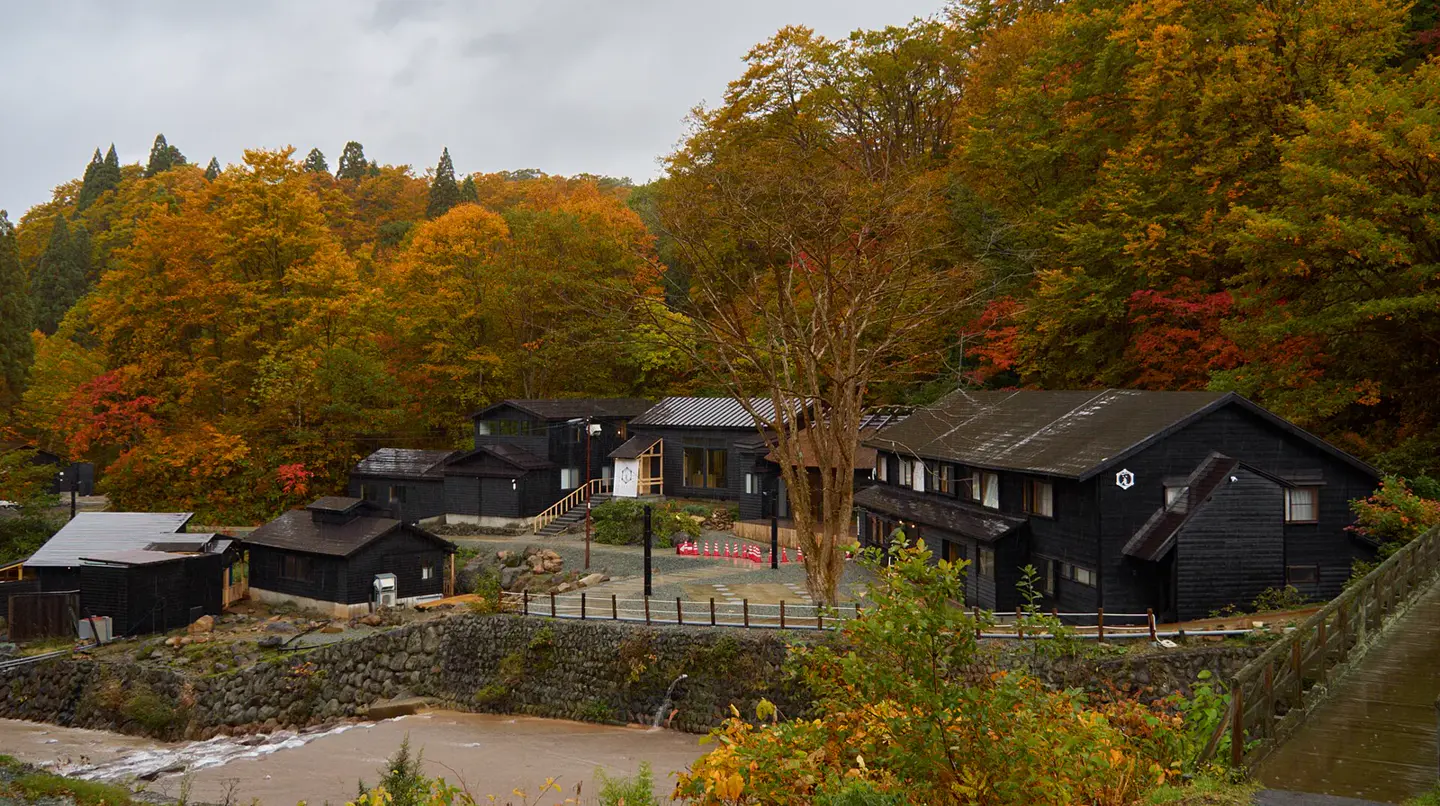
JMA’s 1991–2020 climate normals and its Tohoku climate guidance show that the Sea of Japan side of Tohoku has frequent winter cloud, rain and snow, while conditions vary by place and elevation. For a candidate house, ask who clears the public approach and the private section, where removed snow can be stored, whether equipment remains accessible, and how roof snow and meltwater are managed.
3. Kitaakita: rail access does not remove the last-mile question
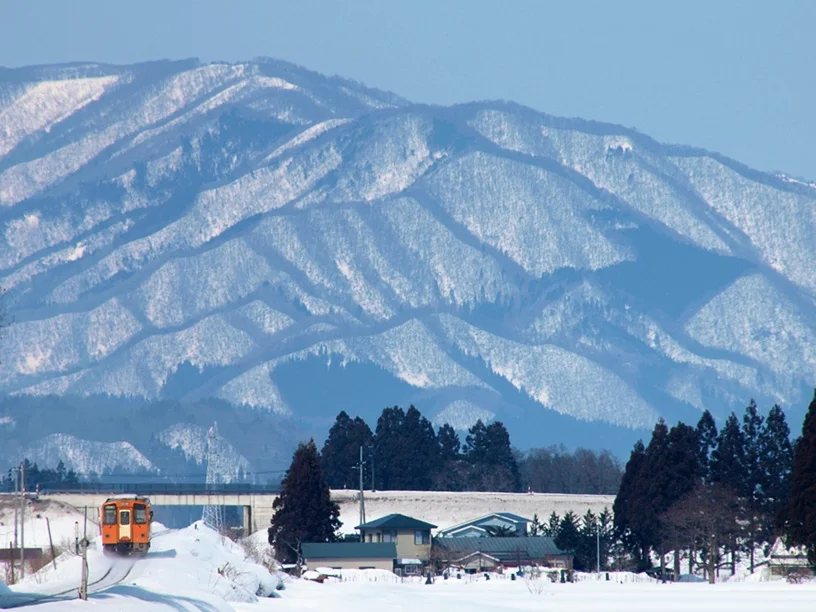
Kitaakita’s valleys are served by regional rail and road routes, including the Akita Nairiku Line. A scenic line can support selected journeys without replacing the need to test frequency, first and last services, station parking and the distance from the house. Confirm what happens when weather affects the preferred route and whether a household would need one or more cars.
For an older northern-valley home, request inspection evidence for the roof, structure, moisture, plumbing, electrical system and heating. Check pipe-freeze protection, equipment age, ventilation, fuel delivery and the condition of outbuildings. Ask local contractors for written scope and estimates instead of treating the listing price as the total cost.
4. Yurihonjo and Nikaho: coast and mountain in one operating plan
The southern coast around Yurihonjo and Nikaho has a different rhythm from the inland basin. Akita Airport publishes a reservation-based southern route, while rail and road connections follow the Sea of Japan side. Verify the current schedule and the final transfer from the exact address rather than relying on a regional name.
Coastal and foothill properties can face different combinations of wind, salt exposure, heavy rain, snow, drainage and slope. Inspect roofs, flashings, exterior metal, gutters, equipment and timber. Use official hazard maps for flood, landslide, tsunami and evacuation screening where relevant, and have qualified people interpret the building and site evidence.
Use culture and food to test repeat visits
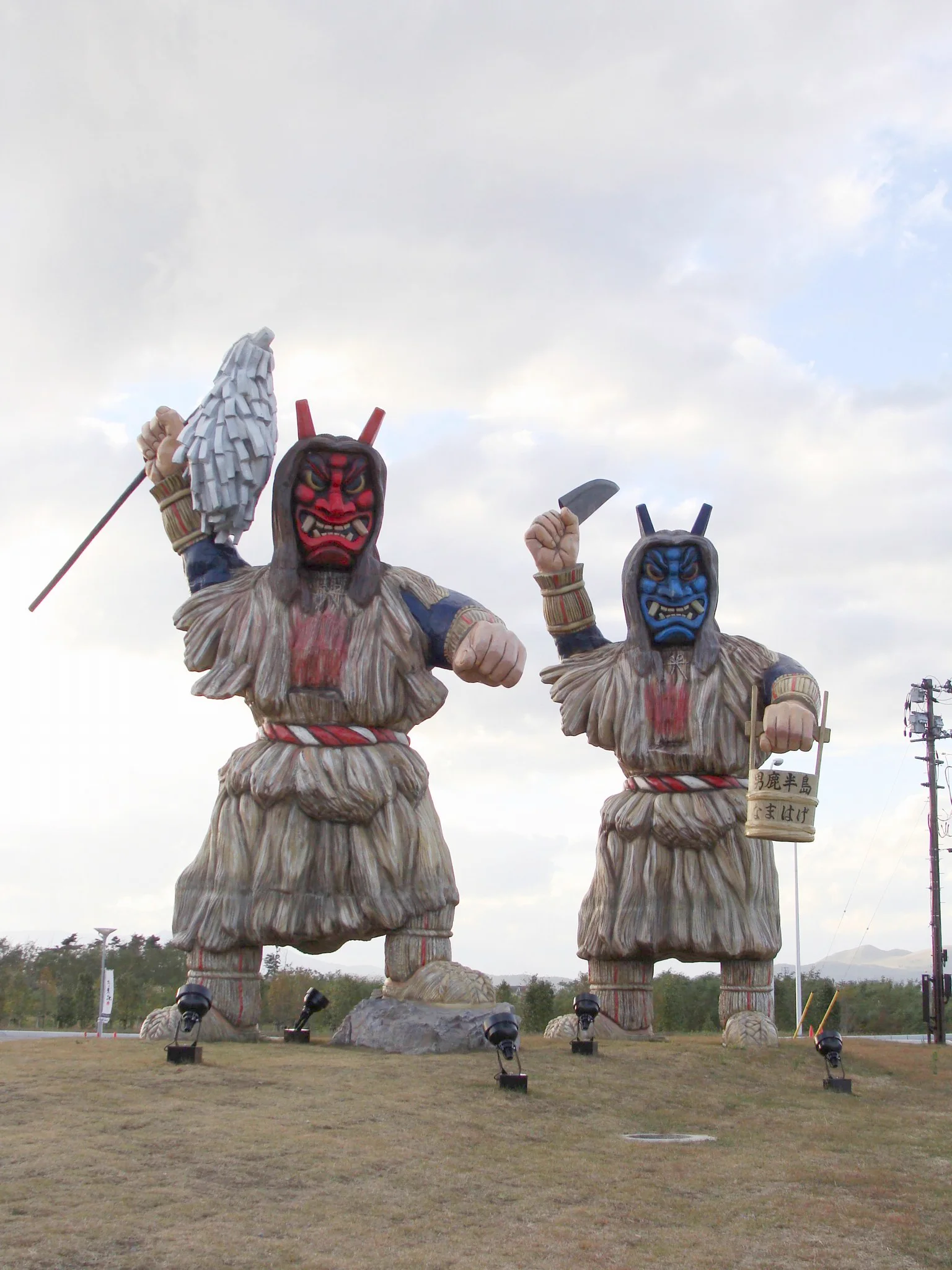
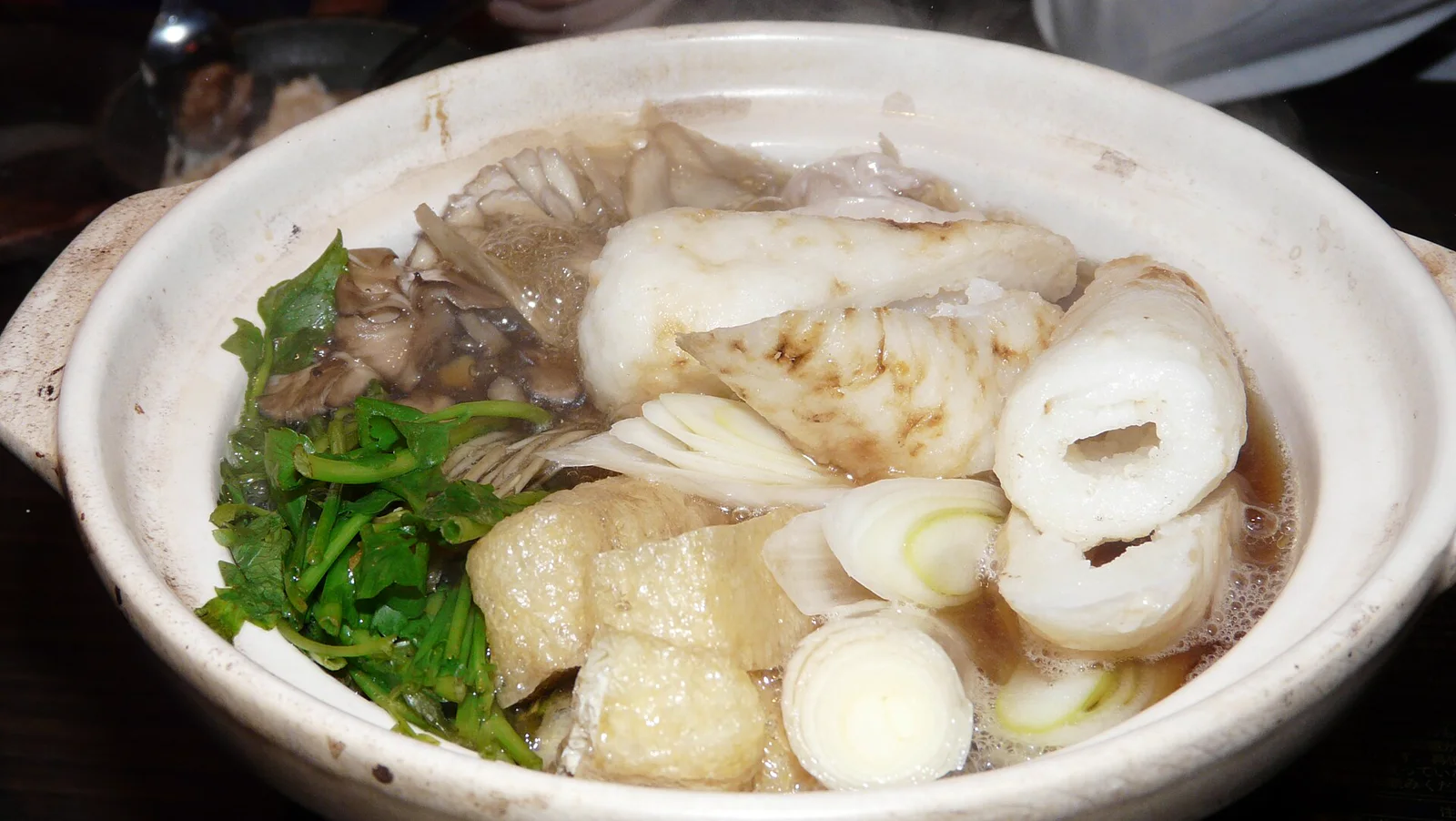
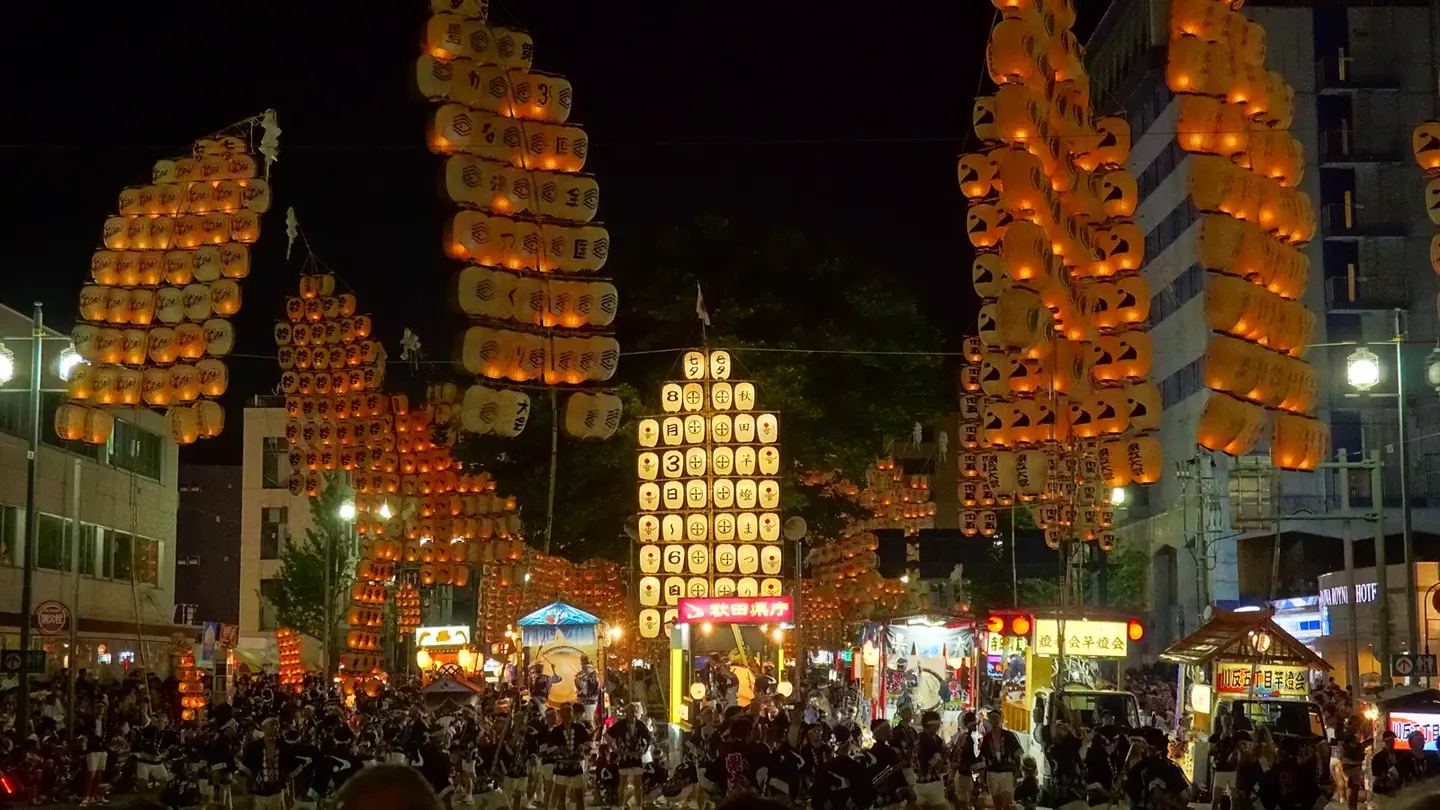
Akita’s Kanto Festival, Oga’s Namahage culture, mountain onsen, rice landscape and regional food give buyers good reasons to return before deciding. Add one normal task to every visit: shop for groceries, drive after dark, locate healthcare, test mobile signal and fixed internet, and time the route with luggage. A place that remains workable after the sightseeing ends is a stronger candidate.
Make winter part of the viewing, not an afterthought
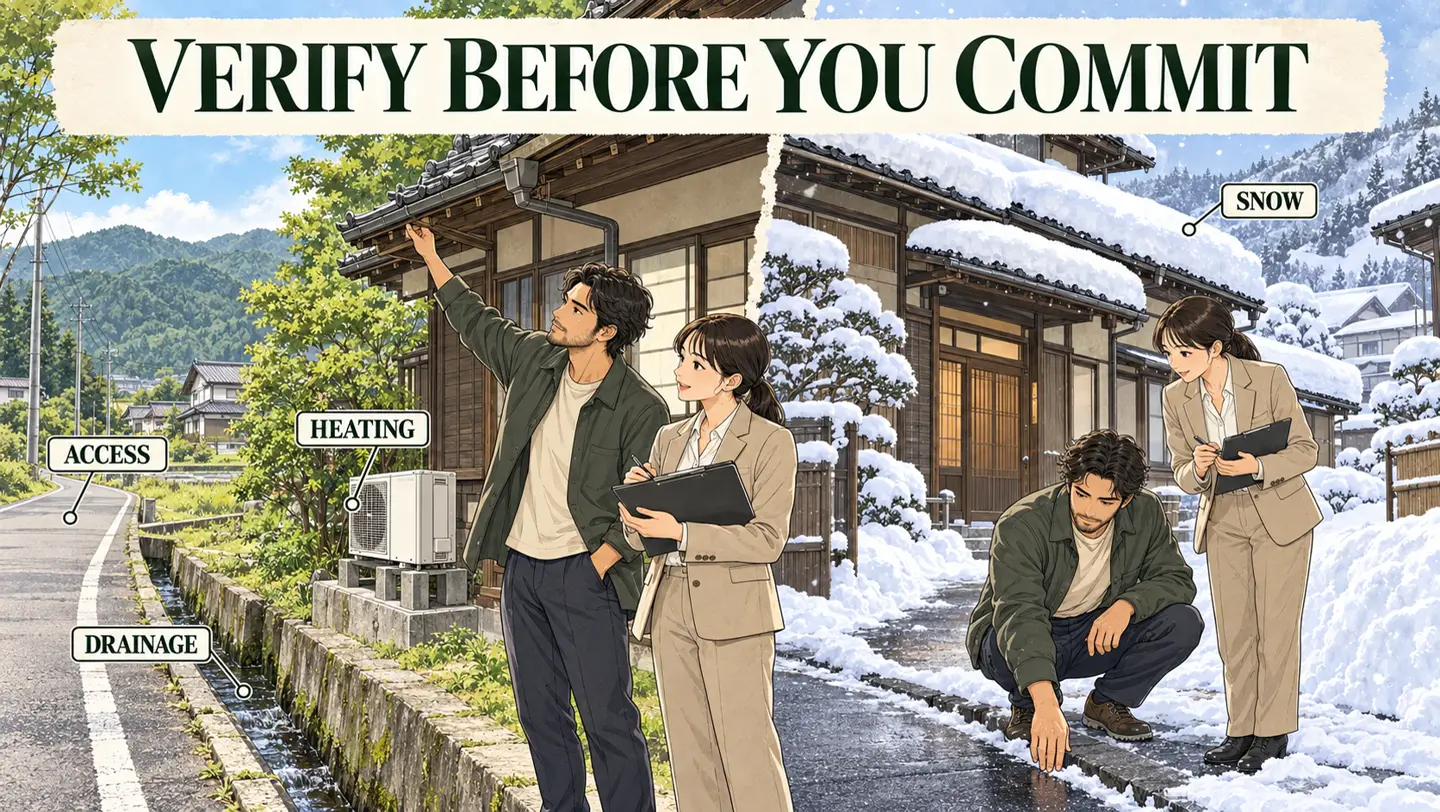
- Access: identify the public road, private section, clearing responsibility, turning space and snow-storage area.
- Envelope: inspect roof condition, eaves, gutters, exterior walls, openings, moisture and evidence of past leaks.
- Heating and water: document equipment, fuel or electricity, insulation, pipe-freeze protection, hot water and realistic running assumptions.
- Absence care: name the person who can check heat, leaks, snow, ventilation and storm damage when the home is empty.
Visit once in a green season and once when winter conditions are visible if the purchase timetable allows. If that is impossible, request dated winter photographs, maintenance records and local professional evidence. A summer-only viewing may hide the space needed for snow, the route used by clearing vehicles and the way meltwater reaches the site.
Check hazards by exact address
Akita Prefecture publishes disaster and multilingual emergency information, while the national MLIT/GSI Hazard Map Portal combines screening layers. Check the candidate building, access road, parking and evacuation route for the relevant flood, landslide, tsunami and other layers. A map is a screening tool, not a building diagnosis or guarantee.
Save the source, date and address used for each check. Ask the responsible municipality, licensed agent and qualified specialists about unclear boundaries, roads, retaining structures, drainage or utilities. Conditions can differ within the same town and may change after map updates or construction.
Build three budgets before you compare prices
- Property price: the agreed price for the land and building.
- Transaction taxes and professional fees: confirm each item with the responsible licensed or qualified professional.
- Renovation and ongoing ownership: base this on inspections, written estimates, heating, snow operations, transport, insurance, vegetation and absence care.
A low asking price can reflect many possible factors: location and demand, building condition, renovation scope, road access, boundaries or registry matters, utilities, remaining contents, hazards or sale conditions. Treat each as a question. Do not diagnose the property from its price or photographs.
Homes to explore in Akita
View the current public Akita property selection. Prices, property details and availability reflect the information available when each listing was published. A property may since have been sold, withdrawn, repriced or otherwise changed. Historical examples are not current offers. Confirm the latest status with the listing agent.
If the public selection does not match your access, parking, snow, garden or move-in-readiness requirements, use a consultation to explain the brief rather than assuming that unlisted inventory exists.
Plan the next step
- Choose two Akita living patterns and test each complete route.
- Request winter evidence and a written snow-maintenance plan.
- Save official hazard notes for the exact address and date.
- Separate the purchase, transaction and renovation/ownership budgets.
For help organising a shortlist and the questions to send to licensed agents and qualified professionals, book a free 30-minute consultation with Akiya Journey.
Frequently asked questions
Can I live in Akita without a car?
Selected addresses near Akita City or regional rail and bus corridors may support a car-light routine. Many rural and mountain addresses will require a different plan. Test groceries, healthcare, winter frequency and the final route from the door.
Is every Akita home affected by the same amount of snow?
No. Coastal, inland, northern and higher-elevation conditions differ. Use JMA records and local information, then verify the exact property’s winter evidence, access, roof, heating, drainage and maintenance arrangements.
Does Akiya Journey act as the real-estate agent?
No. Akiya Journey organises information in English and coordinates communication. Negotiation, contracts, registration, legal and tax work are handled by the responsible licensed or qualified professionals.
Image credits
Akita Kanto Festival — 掬茶, CC BY-SA 4.0. Hinokinai River at Kakunodate — Calistemon, CC BY-SA 4.0. Lake Tazawa — 掬茶, CC BY-SA 4.0. Nyuto Onsen — lumoplank, CC0. Akita Nairiku Line — Syuzo Tsushima, CC BY 2.0. Namahage — Aomorikuma, CC BY-SA 3.0. Kiritanpo nabe — Chensiyuan, CC BY-SA 4.0. All photographs were resized and converted to WebP.
Important disclosure
Akiya Journey is not a licensed real-estate company, law firm, tax accounting firm or judicial scrivener’s office. The regulated parts of a purchase — negotiation and contract work, title registration, and legal or tax advice — are carried out by the licensed professionals responsible for them. Akiya Journey organises information in English, keeps you informed as the purchase progresses, and coordinates between you and those professionals. This article is general information only and is not legal or tax advice. Consult the relevant qualified professional before making a purchase decision.