
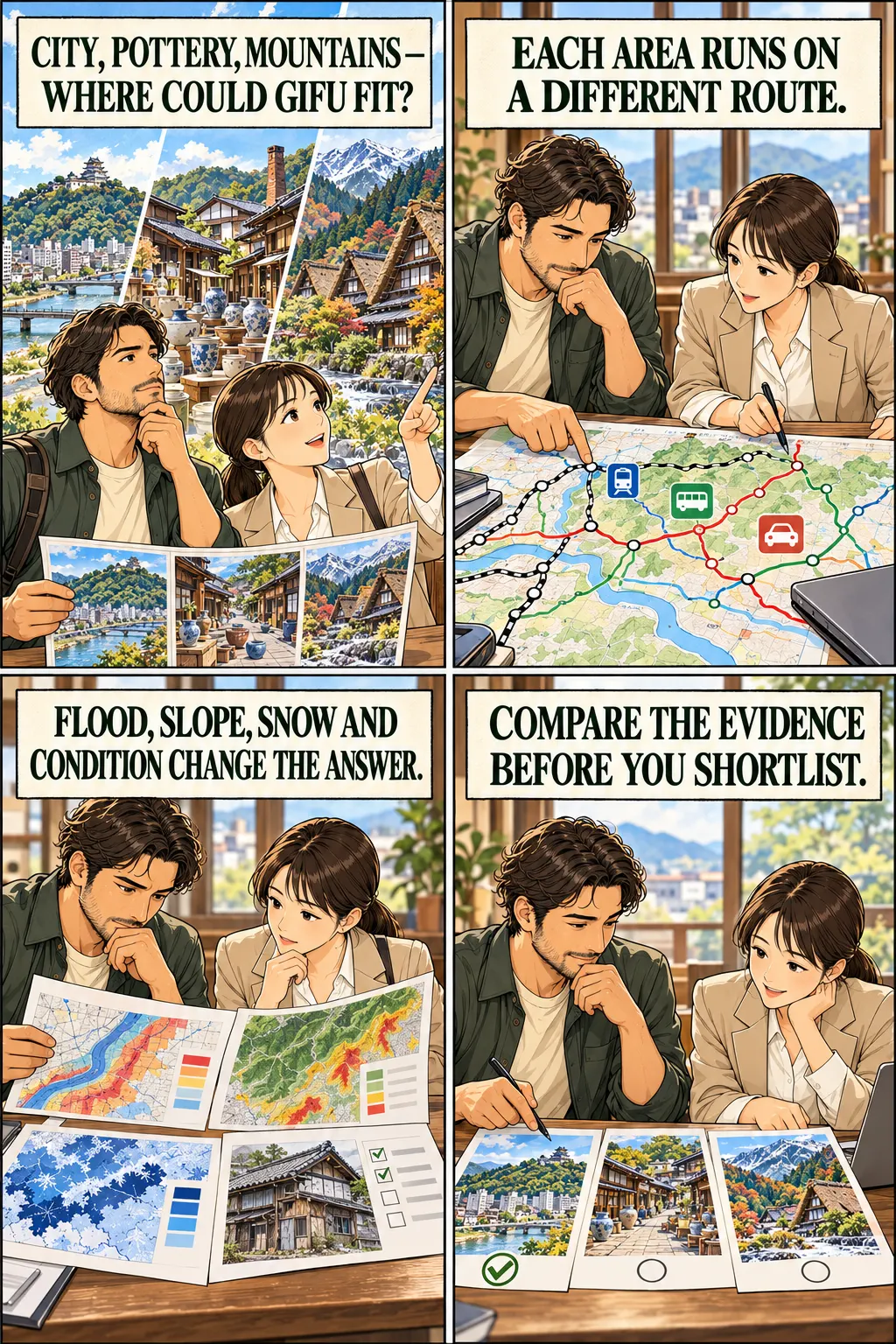
Gifu can support very different versions of life in central Japan: a city base near the Nagara River, a pottery-town routine in Tajimi and the Tono area, a valley or castle-town setting in central Gifu, or a mountain plan around Gero, Takayama and Hida. The useful question is not whether the prefecture looks appealing. It is whether one exact address works for your transport, shopping, healthcare, building maintenance and time away from Japan.
This guide uses the official Gifu tourism access guide, regional destination information, transport sources and official hazard-map portals. It does not promise that a town or property is suitable. It gives you a practical framework for comparing areas before you shortlist homes.
Gifu at a glance: four living patterns
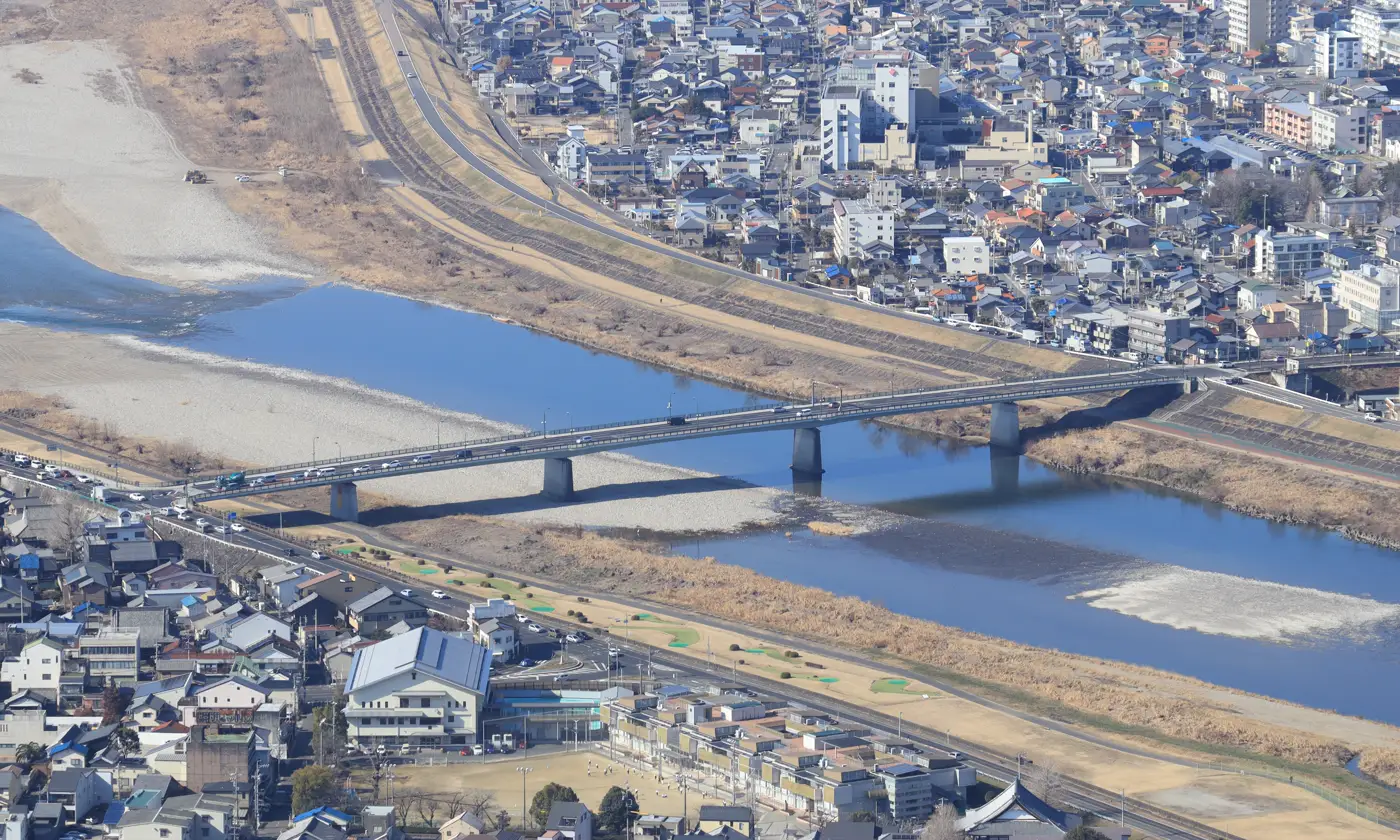
Gifu stretches from the plains connected to the Nagoya region to high mountains in the north. The official tourism site treats Gifu City, Tajimi, Gujo Hachiman, Gero, Takayama, Shirakawa-go and Magome as distinct destinations, and it warns that public transport can be limited compared with major cities. For a home search, treat these as different operating systems.
- Gifu City and the southern plain: the clearest access to urban services and the Nagoya side, with river, drainage and route checks by address.
- Tajimi, Toki and the Tono east: rail and road connections, ceramics culture and city-edge neighbourhoods with different last-mile conditions.
- Gujo, Seki and central valleys: mountain-backed towns where driving, river crossings, slopes and contractor reach matter.
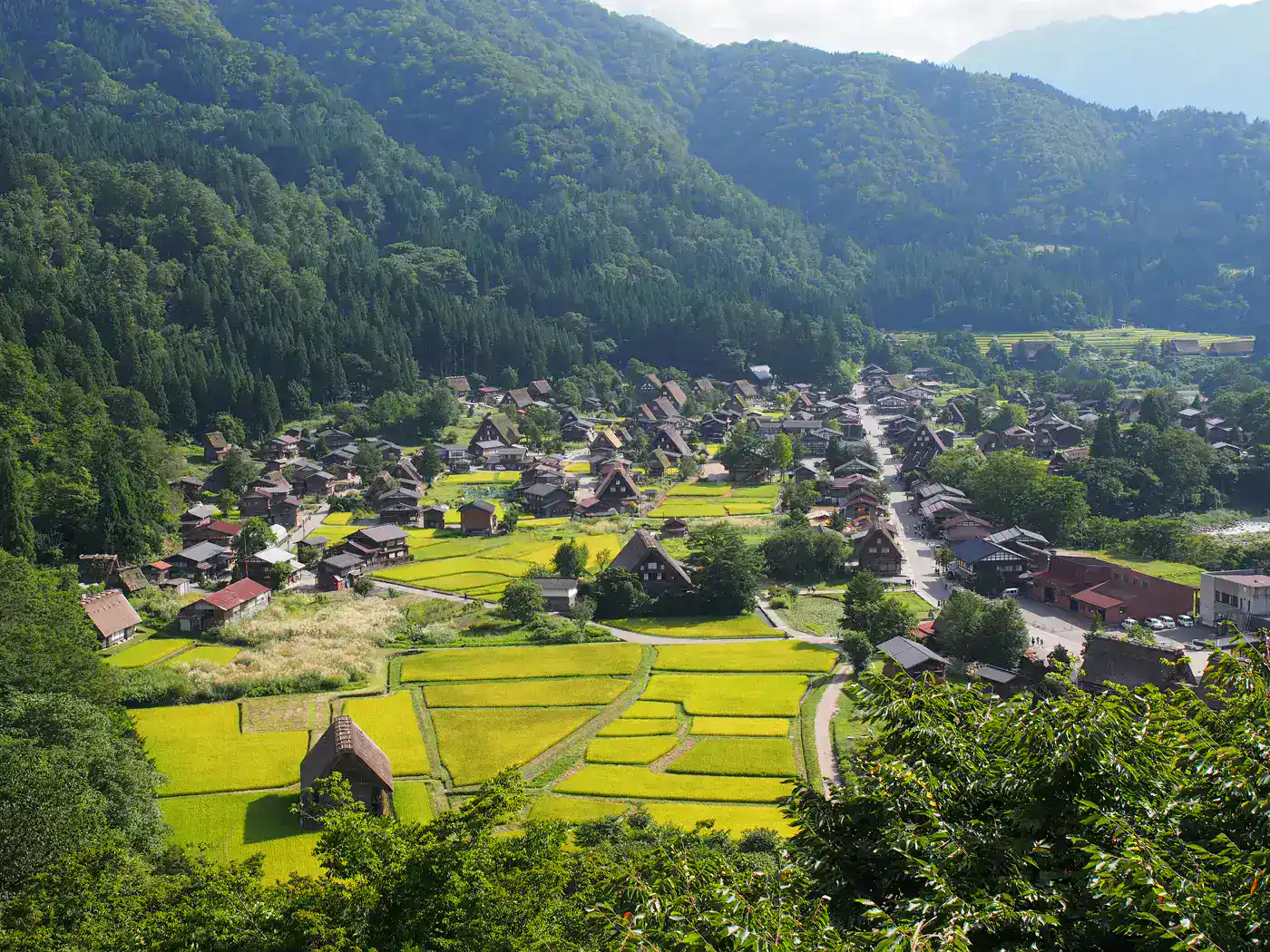
- Gero, Takayama, Hida and Shirakawa: strong visitor appeal and traditional landscapes, with snow, seasonal access and absence care to plan explicitly.
Choose an area by routine, not scenery
1. Gifu City and the southern plain: test the whole Nagoya-side journey
Gifu City is the prefectural service centre and a sensible first comparison for buyers who need frequent access to larger-city rail, hospitals, offices or airports. The official tourism access page lists rail connections from Nagoya, but a station name is not a door-to-door plan. Test the journey from the actual home to the platform, supermarket, clinic and onward connection at the times you would really travel.
Walk or drive the last mile after dark and in rain. Record road width, parking and turning space, bus frequency, bicycle practicality and the route if a river crossing closes. On the plain, compare the property’s ground level and evacuation route with official flood information. For an older building, use a qualified inspector to check moisture, ventilation, roof, structure, services and any retaining or drainage works.
2. Tajimi, Toki and the Tono east: a pottery region with city-edge choices
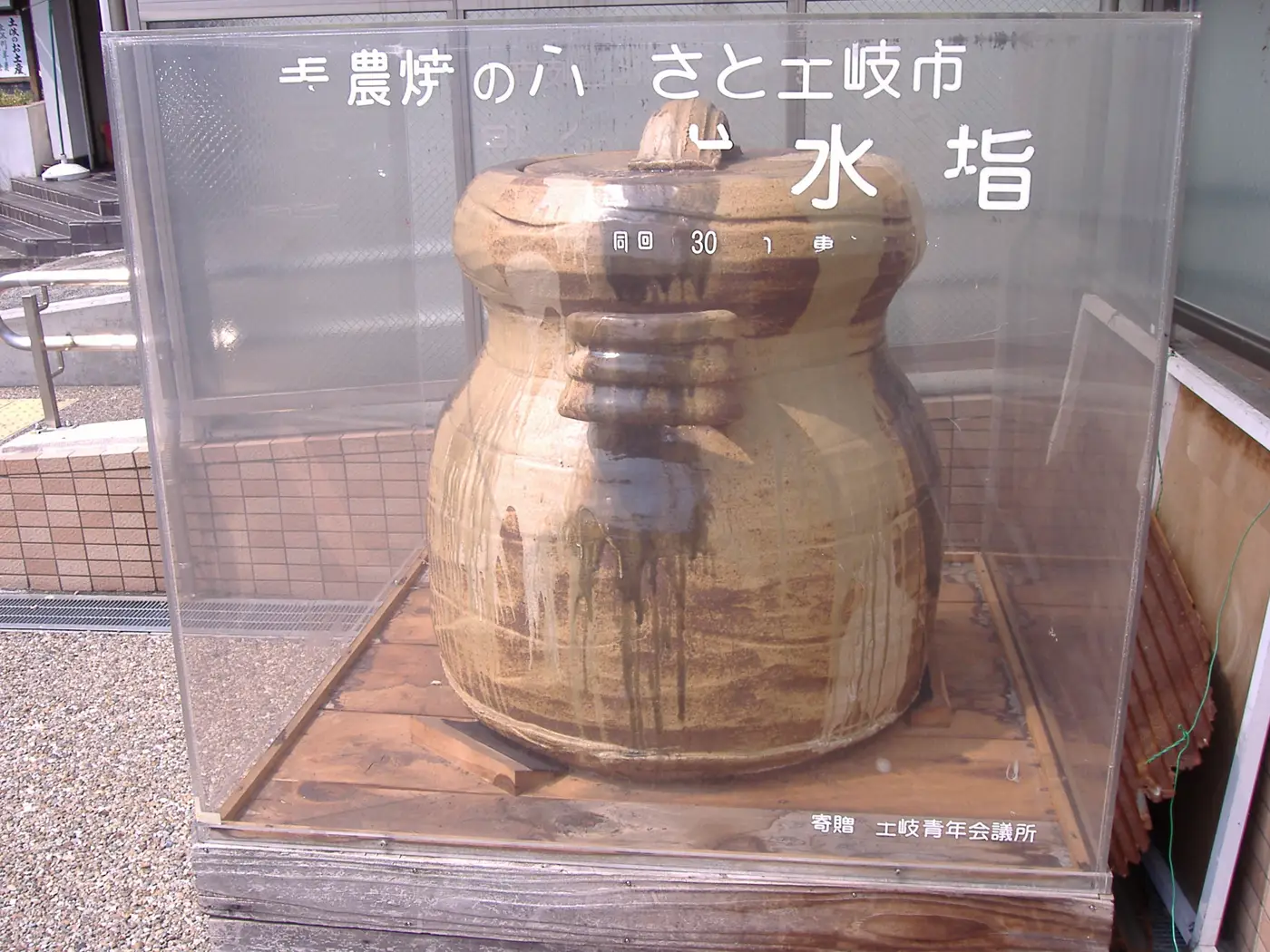
The official Mino ware guide identifies Tajimi, Toki, Mizunami and Kani as core production areas. That culture can make eastern Gifu attractive to buyers who want workshops, craft communities and access toward Aichi. It does not make every hillside or suburban address equally practical.
Compare an in-town address with an edge-of-town home. Check the walk to rail, the realistic drive to daily services, road gradient, summer and winter building performance, drainage, nearby slopes and the availability of trades. If occasional use is the plan, ask who can ventilate rooms, notice a leak, manage vegetation and coordinate urgent work while you are abroad.
3. Magome, Gujo and central valleys: heritage does not remove the last mile
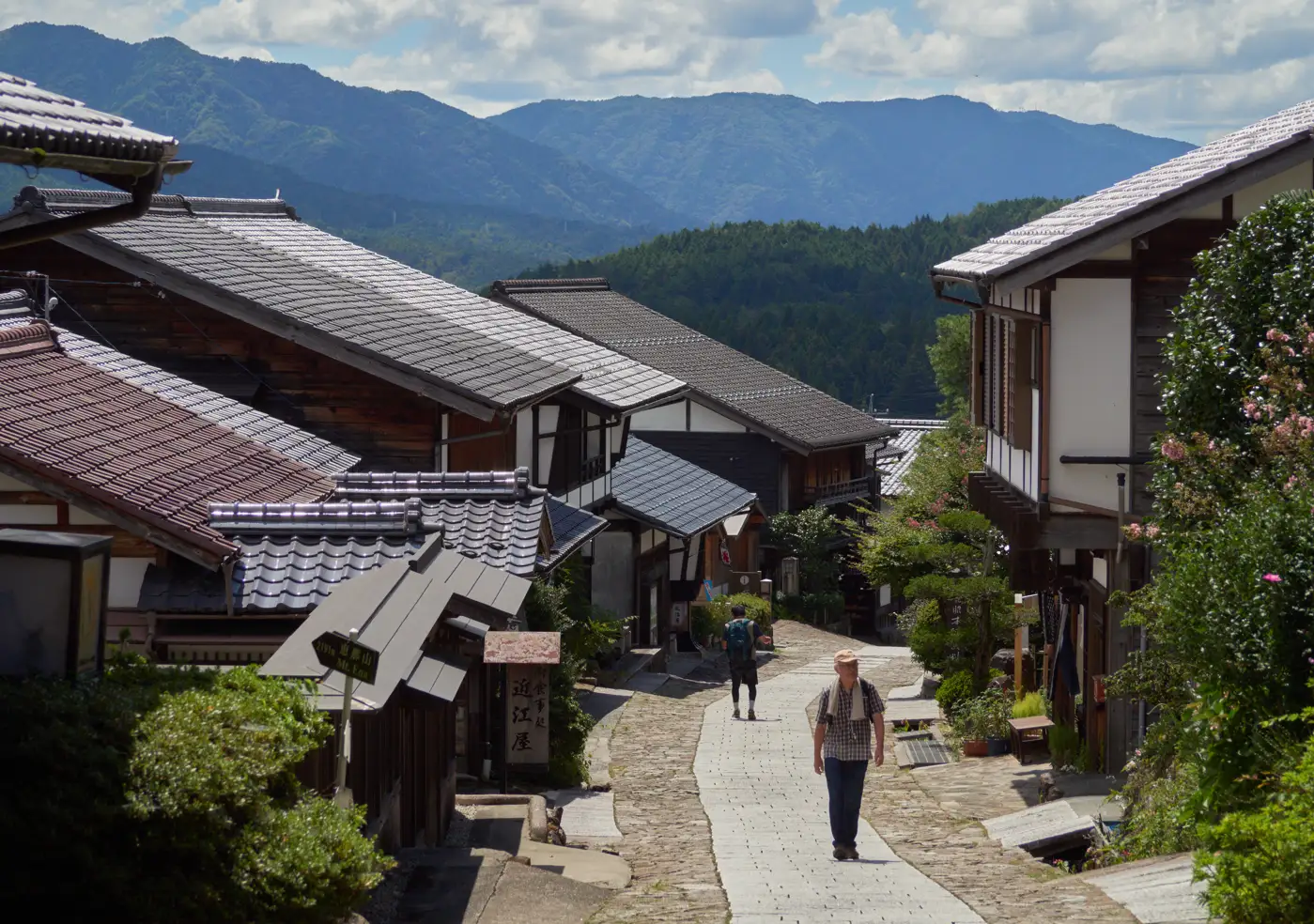
Magome-juku and Gujo Hachiman show how history, water and mountain geography shape central and eastern Gifu. These places can be compelling for a second home or creative base, but visitor routes do not describe a residential last mile. Test the home on an ordinary weekday outside the sightseeing circuit.
Inspect road width and gradient, river crossings, parking, snow or heavy-rain alternatives, mobile signal, fixed internet, waste rules, shopping, healthcare and contractor reach. Use official flood and landslide layers for the exact address. A river view, elevated plot or stone wall is not evidence of safety or structural condition.
4. Gero, Takayama, Hida and Shirakawa: plan for snow and absence
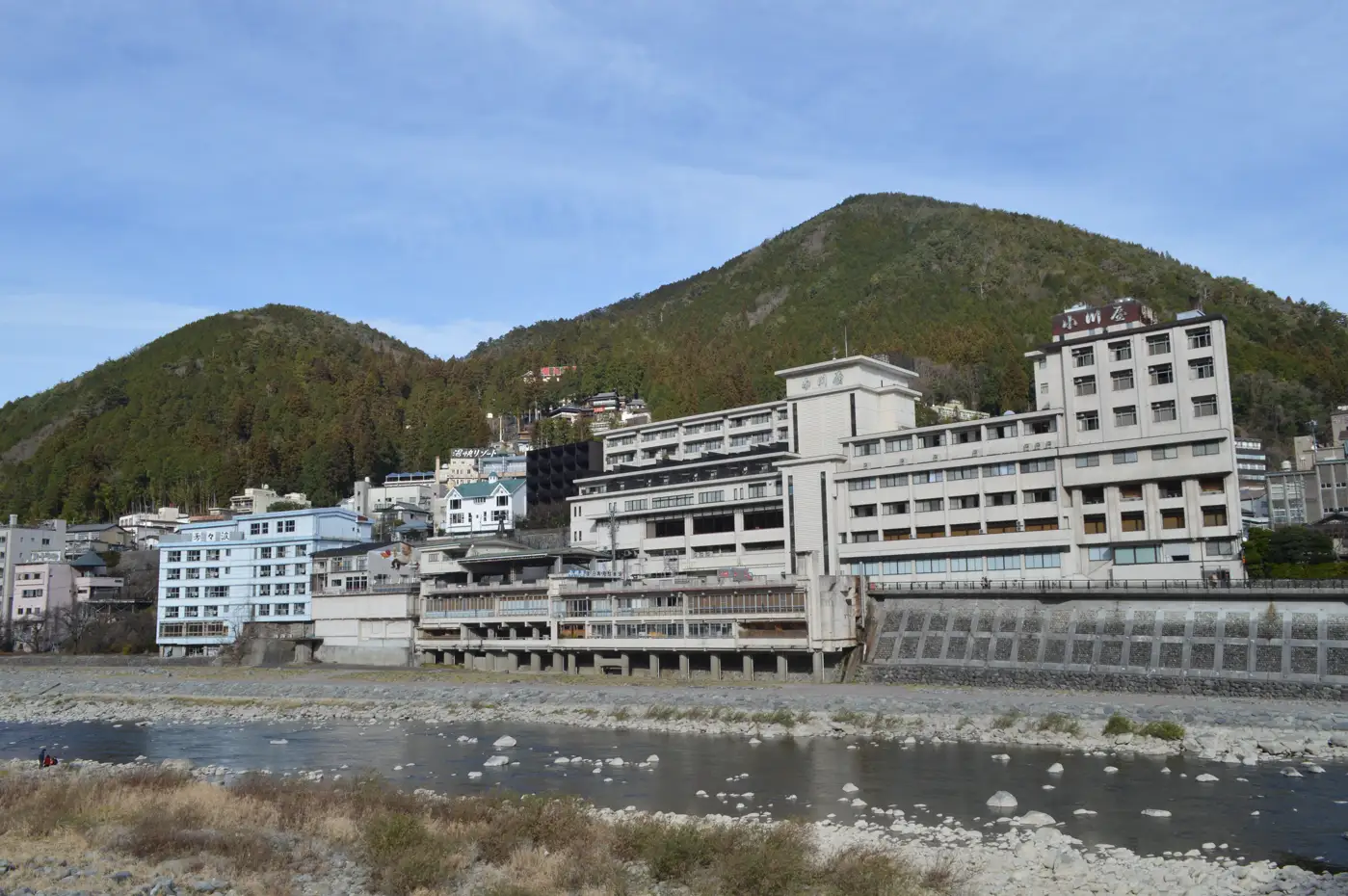
Gero, Takayama and the Hida region offer some of Gifu’s strongest destination identities. JR Central’s current reservation portal includes limited-express services for Takayama, while the prefecture’s travel guidance explains that northern Gifu is mountainous and can receive heavy winter snow. Timetables and road conditions change, so verify the actual journey rather than relying on a fixed travel-time claim.
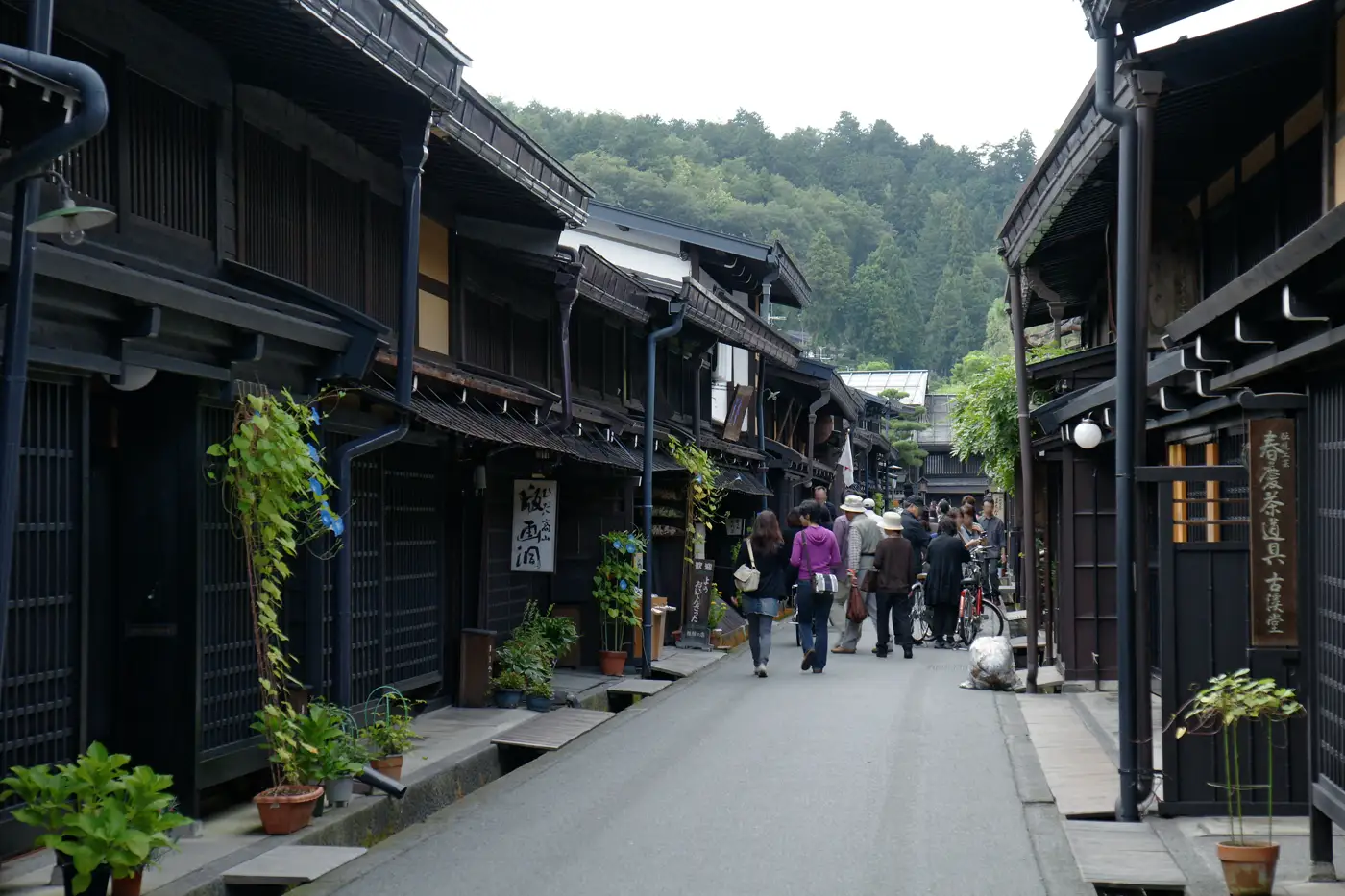
For a northern home, identify who clears snow, checks freeze protection, ventilates the building, inspects after severe weather and responds to leaks. Ask how contractors reach the property, where vehicles can park in winter and whether the route works when tourism is busy. Larger land and traditional construction can add maintenance responsibilities that photographs do not show.
Food and craft are reasons to return
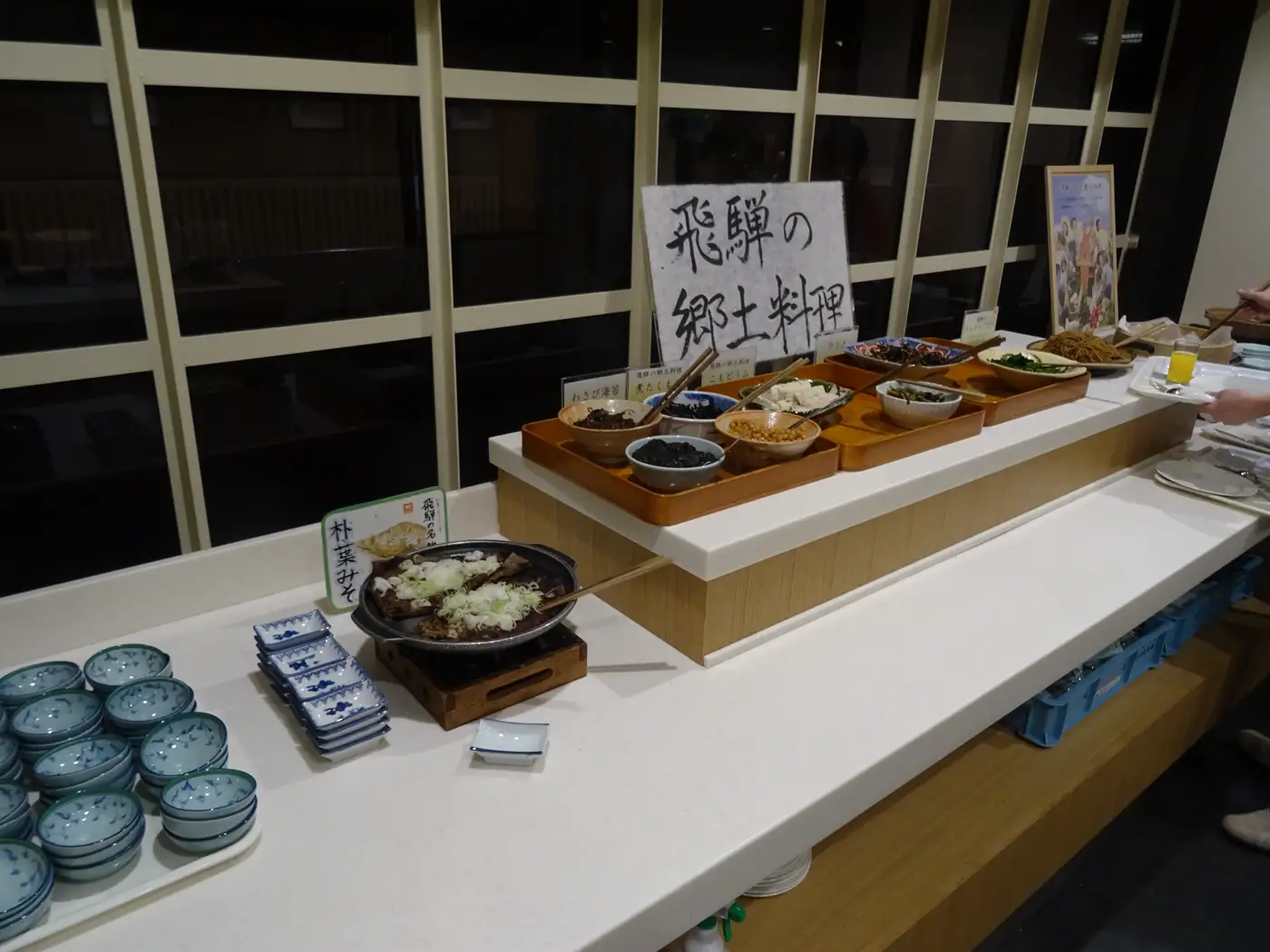
The official Gifu destination guides cover Mino ware, Hida beef, hoba miso, river culture and traditional villages. Those are good reasons to return. On each visit, also use a normal supermarket, morning road or train, clinic route and late-evening journey. Notice sound, shade, moisture, wind, snow storage and the time needed to reach the home.
Filter homes through four evidence layers
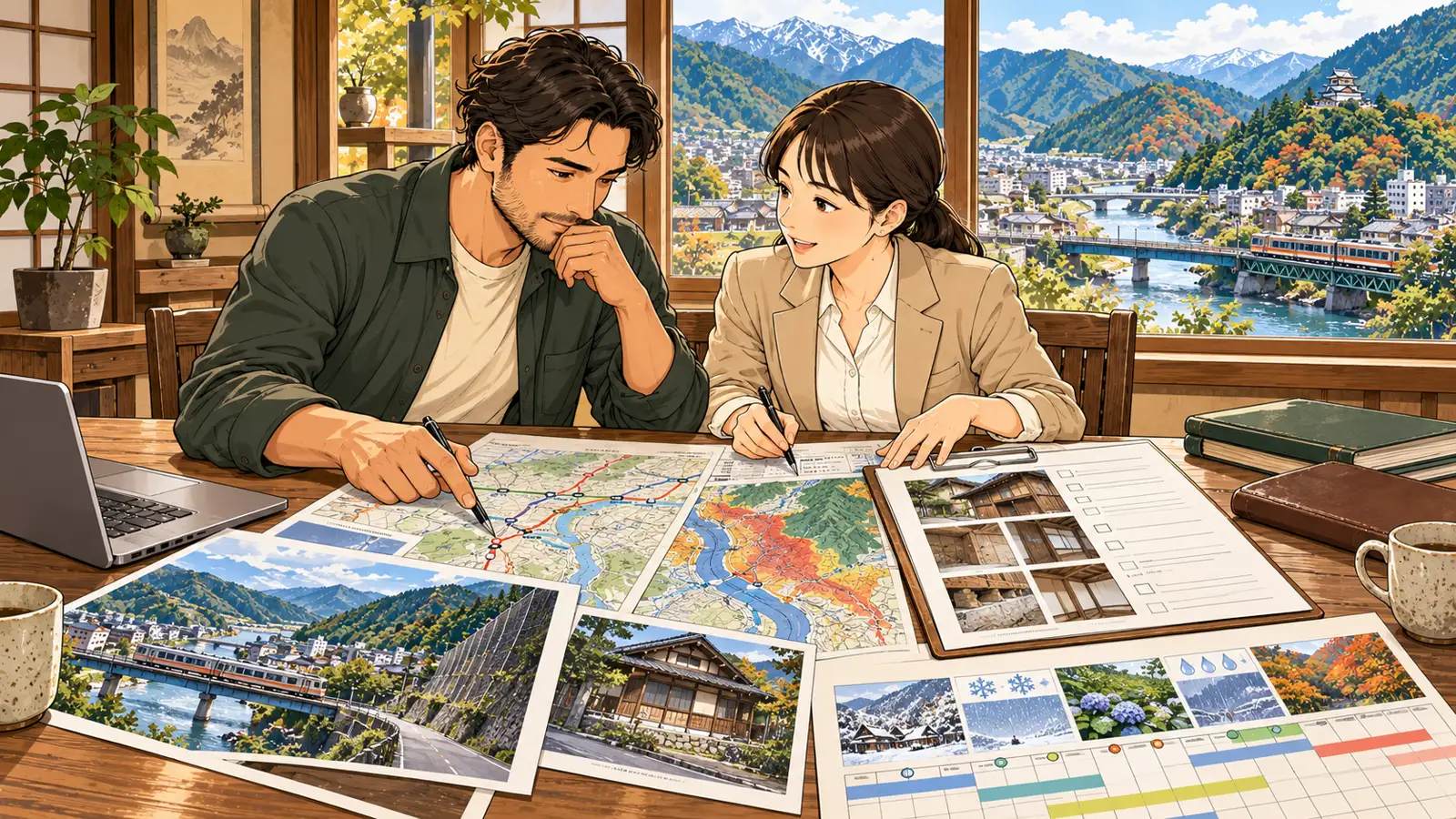
- Actual route: test the complete journey from the relevant city, station or airport to the door.
- Building evidence: separate listing descriptions from a professional inspection and specialist estimates.
- Address-level hazards: check flood, landslide, earthquake, snow and evacuation information that applies to the location.
- Operating plan: identify who ventilates, checks leaks, manages vegetation or snow and responds when the owner is away.
Check hazards by exact address
Gifu includes river plains, narrow valleys, steep slopes and high mountain areas, so screening must be specific. Start with the prefecture’s official flood and water-hazard map directory, its municipal disaster-information links and the landslide information portal. The national Hazard Map Portal adds combined screening layers.
A map is not a verdict on a property. Record the date checked, compare more than one official layer, identify evacuation routes, and ask the licensed agent, municipality, insurer, inspector or other qualified professional the question within their responsibility.
Keep the three budget buckets separate
- Property price: the agreed price for the land and building.
- Transaction taxes and professional fees: confirm each item with the responsible licensed or qualified professional.
- Renovation and ongoing ownership: base this on inspections, specialist estimates, utilities, insurance, snow or vegetation work, access and your operating plan.
A low asking price can have several possible causes: location and demand, building condition, renovation scope, road access, boundaries or registry matters, utilities, remaining contents, hazards or sale conditions. Treat each as a question. Do not diagnose the property from the price or photographs.
Homes to explore in Gifu
View the current public Gifu property selection. Prices, property details and availability reflect the information available when each listing was published. A property may since have been sold, withdrawn, repriced or otherwise changed. Historical examples are not current offers. Confirm the latest status with the listing agent.
If the public selection does not match your area, garden, dog, parking, access or condition requirements, use a consultation to explain the brief rather than assuming that unlisted inventory exists.
Plan the next step
- Choose two area patterns and test each route in ordinary conditions.
- Save official hazard-map screenshots or notes for the exact address and date.
- Ask who will inspect the building and estimate renovation before a decision.
- Build separate property, transaction and renovation/ownership budgets.
For help organising a shortlist and the questions to send to licensed agents and qualified professionals, book a free 30-minute consultation with Akiya Journey.
Frequently asked questions
Is Gifu practical without a car?
Some addresses around Gifu City, Tajimi and central station areas may support a rail, bus, bicycle or walking routine. Many valley, mountain and edge-of-town homes require a car. Test the exact door-to-service journey rather than relying on municipality-level descriptions.
Can I buy remotely?
Parts of the process can be coordinated while you are abroad, but distance does not remove the need for reliable evidence, inspections, identity and document procedures, and licensed or qualified professionals for regulated work.
Does Akiya Journey act as the real-estate agent?
No. Akiya Journey organises information in English and coordinates communication. Negotiation, contracts, registration, legal and tax work are handled by the responsible licensed or qualified professionals.
Image credits
Gifu City and Nagara River — Alpsdake, CC0. Mino ware at Toki-shi Station — Yen80, CC BY-SA 3.0. Magome-juku — lumoplank, CC0. Gero Onsen — Asturio Cantabrio, CC BY-SA 4.0. Takayama Sanmachi — 663highland, CC BY-SA 4.0. Shirakawa-go — 吉爾, CC BY-SA 2.0. Hida local cuisine — inazakira, CC BY-SA 2.0. All photographs were resized and converted to WebP.
Important disclosure
Akiya Journey is not a licensed real-estate company, law firm, tax accounting firm or judicial scrivener’s office. The regulated parts of a purchase — negotiation and contract work, title registration, and legal or tax advice — are carried out by the licensed professionals responsible for them. Akiya Journey organises information in English, keeps you informed as the purchase progresses, and coordinates between you and those professionals. This article is general information only and is not legal or tax advice. Consult the relevant qualified professional before making a purchase decision.