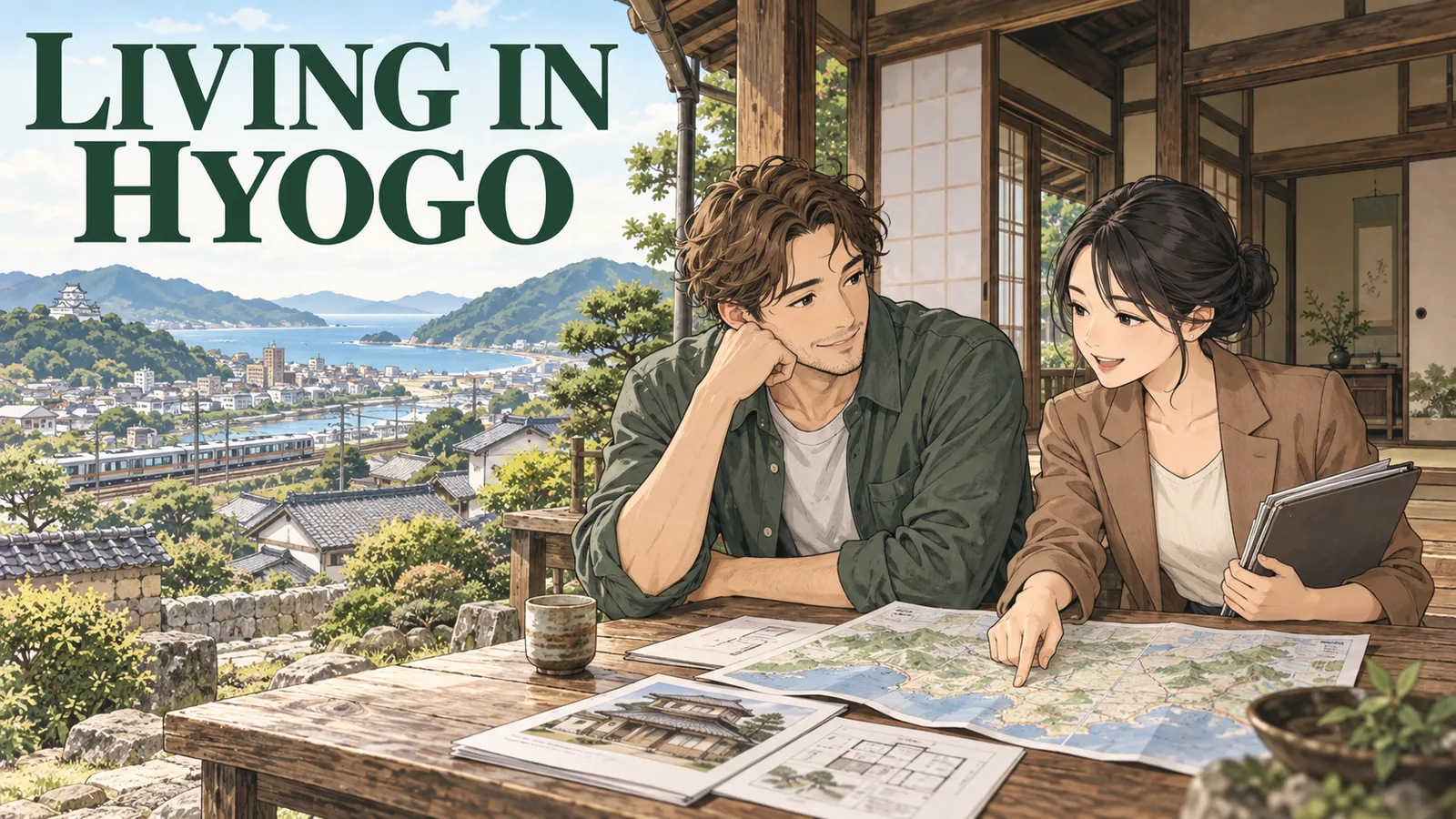
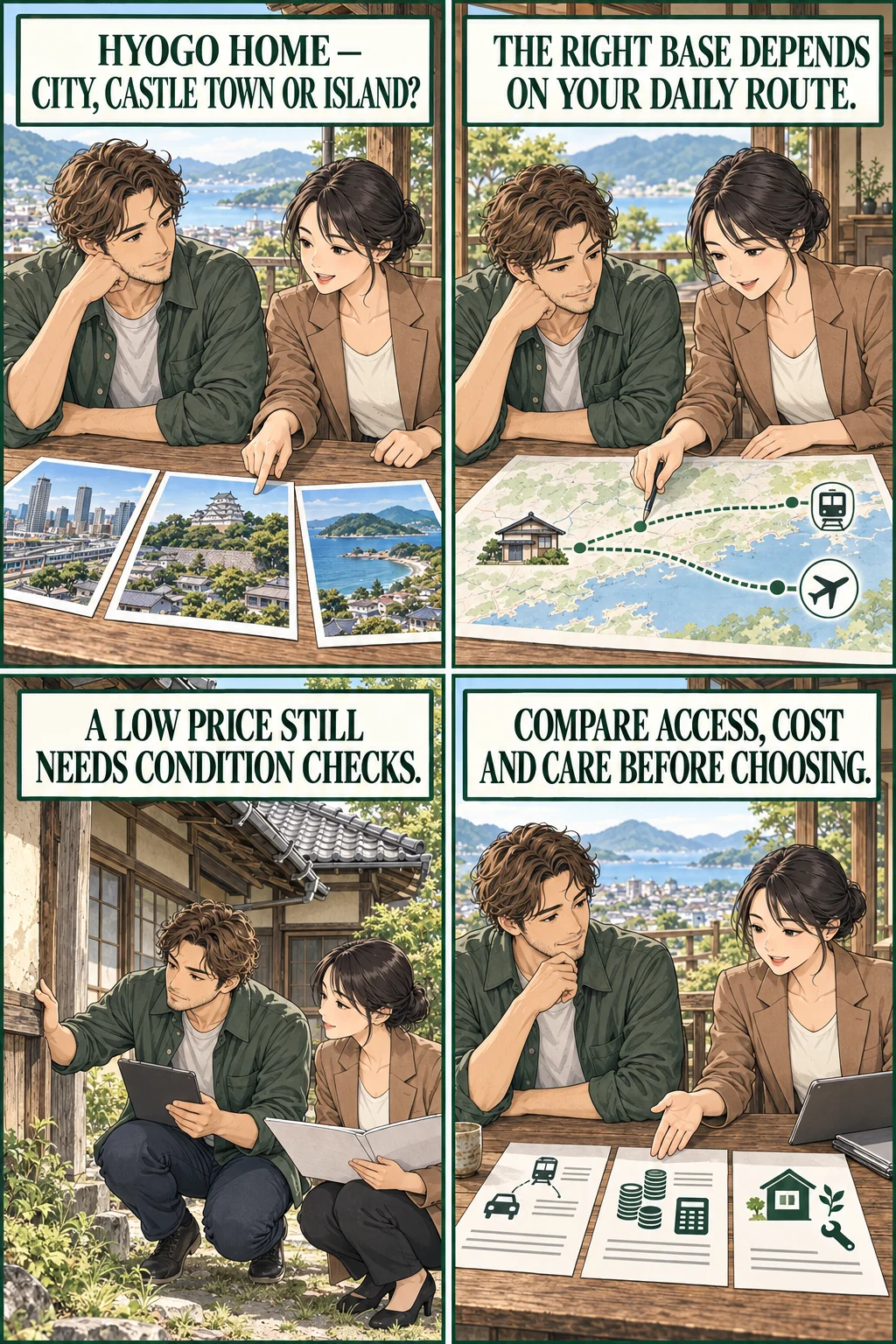
Hyogo stretches from the Seto Inland Sea to the Sea of Japan. Kobe and the Hanshin corridor offer dense rail and city services; Himeji anchors the Harima side; Tamba and inland districts bring quieter town and countryside routines; Tajima has mountain winters and a northern coast; and Awaji Island faces a different road, weather and maintenance reality. A listing labelled only “Hyogo” does not tell you which life you are buying.
This guide connects Hyogo’s food, historic places, coast and transport gateways with the practical work of choosing a home. Listings, prices and availability change. Treat homes shown online as search leads that still require confirmation, not as a complete or permanent inventory.
Hyogo at a glance for a home search
- Kobe and Hanshin: the strongest city and rail pattern, with neighbourhood-level differences in slope, access, parking and price.
- Harima and Himeji: castle-town identity, regional services and west–east rail links, with rural last miles outside the principal corridors.
- Tamba and the inland area: space, historic townscapes and car-oriented routines, with building condition, winter access and garden care to plan.
- Tajima and the north: Kinosaki, mountains and the Sea of Japan, with snow, distance and absence management becoming more important.
- Awaji Island: sea, food and road access through the Akashi Kaikyo Bridge, with coastal exposure and a practical car plan to verify.
Hyogo Prefecture itself presents five distinct regions: Settsu/Kobe-Hanshin, Harima, Tajima, Tamba and Awaji. Use those regions as the first comparison, then move immediately to the exact address. Station distance, road width, parking, shopping, healthcare, broadband, municipal services and official hazard layers can change within the same city.
Start with the recurring route, not a famous place
Kobe Airport, the JR network and regional roads create several useful gateways, but the meaningful question is the route you will repeat. Map the international arrival point, intercity leg, local train or road, final bus or taxi, and the walk or drive to the house. Check current operator timetables for your dates rather than relying on a travel-time number copied into an evergreen article.
Test the route with luggage, groceries and an evening arrival. A home near a major station can support a very different routine from one in a mountain settlement, on a narrow hillside road or across Awaji Island. Record the last service, taxi availability, parking dimensions, road width, fuel stops and a fallback route. If the property will be empty between visits, also identify who can check it after heavy rain, wind or snow.
Five Hyogo living patterns to compare
1. Kobe and Hanshin: city access with address-level trade-offs
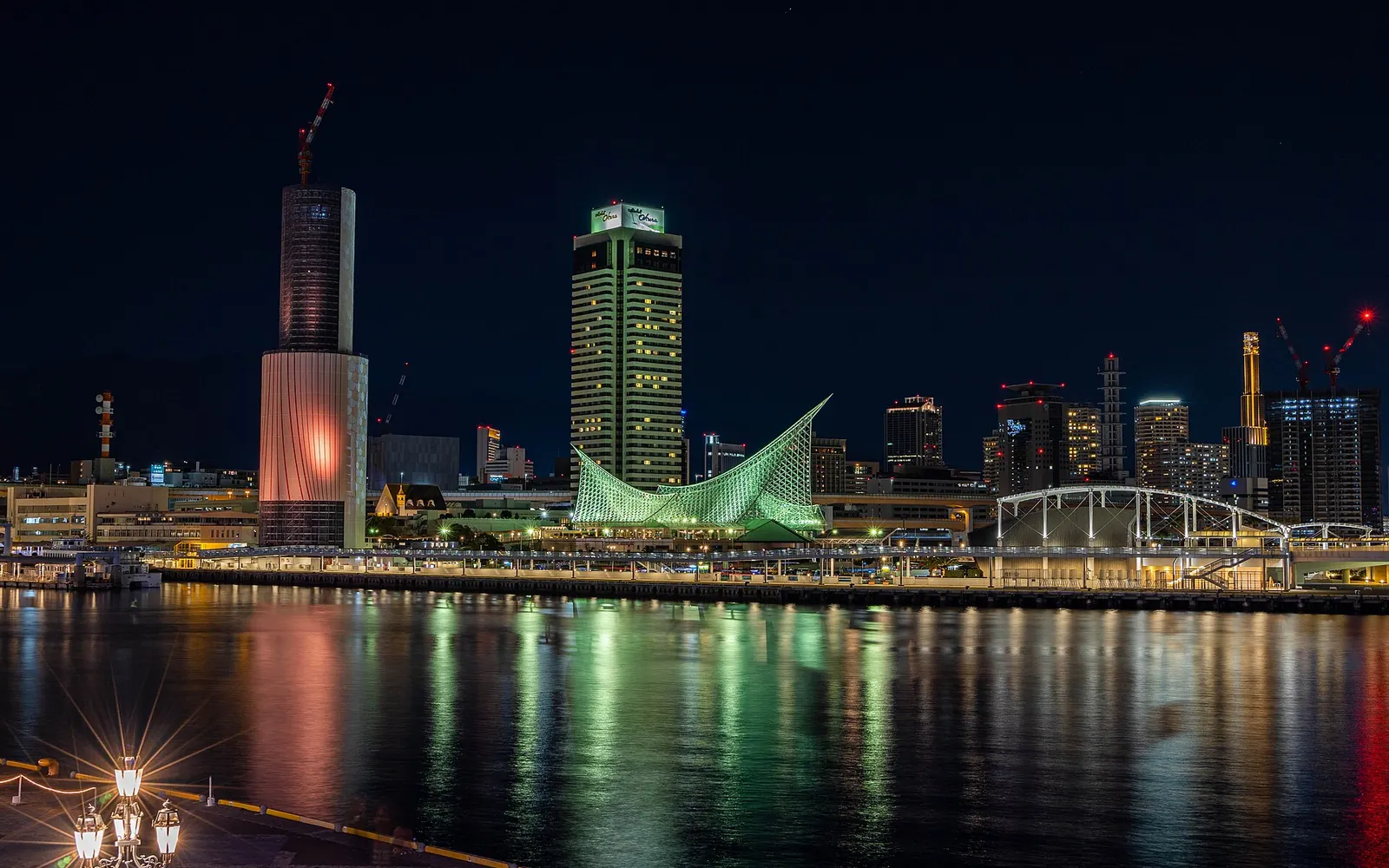
Kobe and the Hanshin area can suit a buyer who wants everyday services, rail connections and a broad choice of neighbourhoods. The city also rises quickly from the waterfront toward the Rokko range. A rail map alone cannot show the slope from the station, whether a taxi can stop at the entrance, how deliveries reach the building or whether parking fits the vehicle you expect to use.
Walk the final route in both directions. Check stairs, retaining walls, drainage, bicycle practicality and access for contractors. Compare the nearest grocery shop and clinic with the scenic or tourist centre you first visited. For an older house, ask for complete exterior, roof-space, underfloor, wiring and plumbing evidence. City proximity does not reduce the need for a qualified inspection.
2. Himeji and Harima: regional services and historic-town context
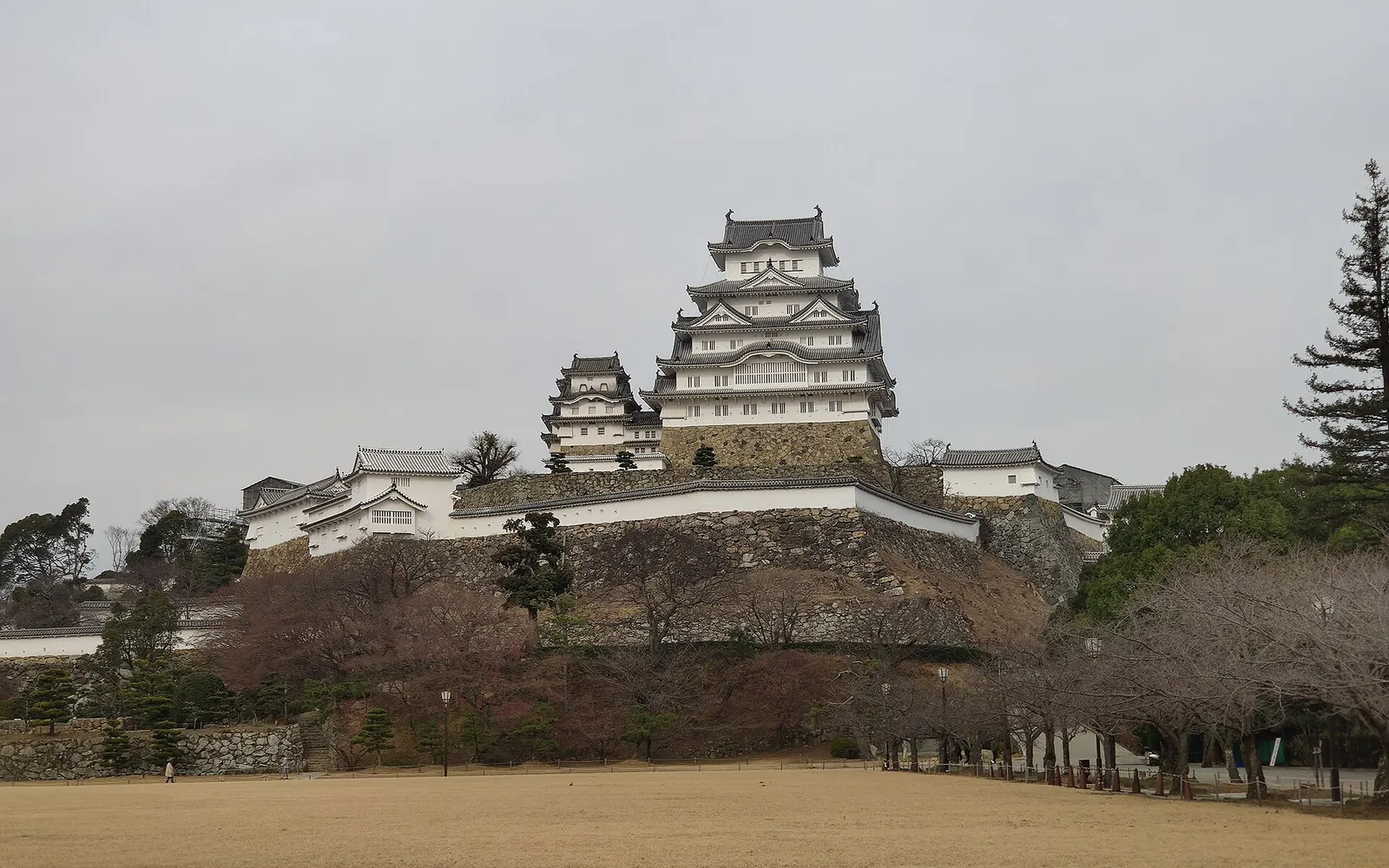
Himeji Castle gives the area an internationally recognised identity, while Himeji functions as a regional service and transport centre. This pattern may suit someone who wants a practical base without choosing central Kobe. Beyond the main corridors, however, daily life can become more car-dependent and the final route to a house can matter more than the municipality name.
For a home near a historic district, confirm any applicable planning, preservation or renovation requirements with the municipality and qualified professionals before designing work. For a suburban or rural address, check the road approach, boundaries, parking, drainage, septic or sewer arrangement and access for repair vehicles. Do not assume that an attractive street photograph shows the complete renovation scope.
3. Tajima and Kinosaki: northern character and a winter plan
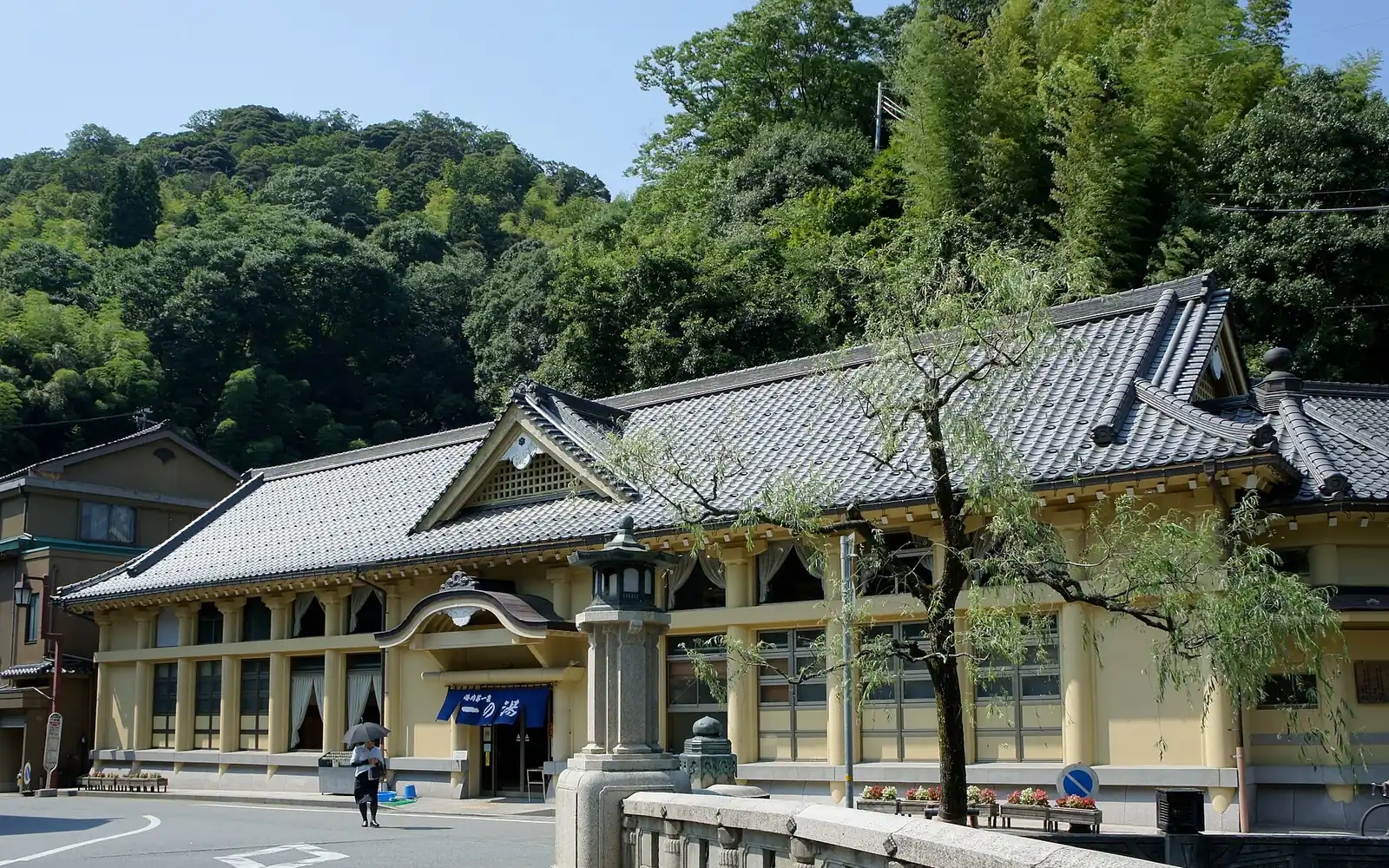
Hyogo’s official tourism information connects Tajima with Kinosaki Onsen, Tajima beef and the Sea of Japan coast. For a buyer, the same region raises practical questions about snow, heating, roof and gutter care, road access and the time needed to reach services. Ask how the property is used and maintained through winter rather than treating a summer viewing as complete evidence.
Check who clears the access route, where a vehicle can be parked during snow, whether pipes are protected, how rooms are heated and ventilated, and who can respond if the house is empty. Visit outside the best sightseeing season when possible. A place may be excellent for repeated stays, but only if the winter and absence-management plan is affordable and realistic.
4. Tamba and inland Hyogo: space, garden and car-based living
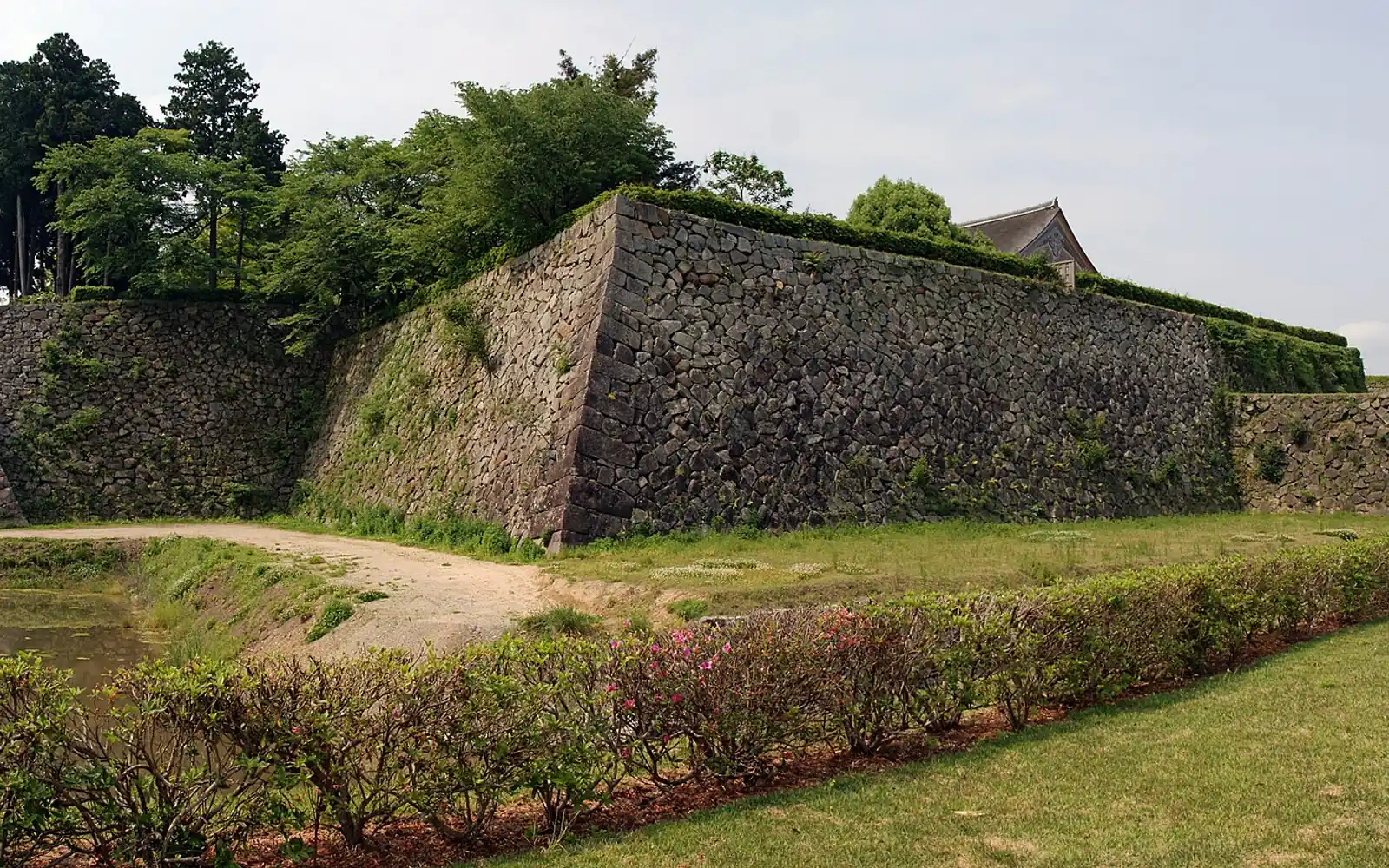
Tamba and nearby inland areas can appeal to buyers who want a garden, dog-friendly space, a workshop or a quieter base. Translate that idea into operating questions: fencing, shade, veterinary access, road safety, mowing, leaf and snow management, rubbish rules, deliveries, broadband and the nearest hardware or grocery shop.
Older rural buildings deserve a deeper inspection, not a lower standard because the asking price is modest. Request evidence for moisture, termites, structure, roof, foundations, wiring, plumbing, drainage, boundaries and recorded alterations. Confirm whether any outbuildings or land uses create separate obligations. The responsible licensed real-estate company and qualified professionals should explain the property-specific facts.
5. Awaji Island: sea, road access and a care plan
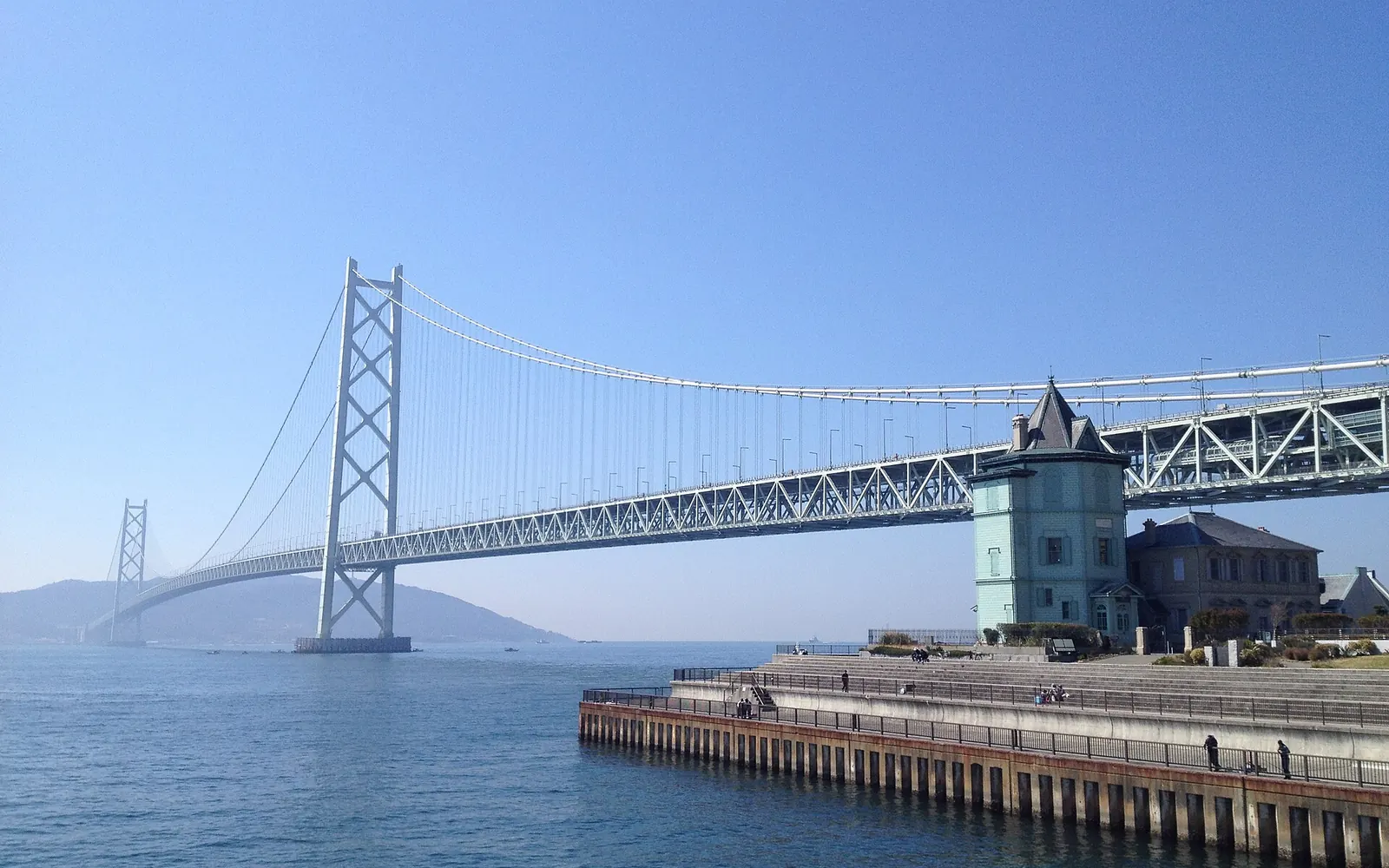
Awaji’s official tourism guide highlights the bridge connection, island cycling, whirlpools and onions. It can support a second-home or lifestyle idea built around the sea and road travel. The useful test is not whether the island is reachable, but whether the exact home works for groceries, healthcare, parking, broadband, guests and long absences.
For a coastal address, inspect salt and wind exposure, exterior timber and metal, roof fixings, drainage and the route to official evacuation locations. Check the latest municipality maps, elevation and access rather than calling an entire district safe or unsafe. If you will not live there full-time, identify a trusted local contact for ventilation, garden control, leaks and severe-weather checks.
Use Hyogo’s food to test a repeatable life
Official Hyogo sources highlight Kobe and Tajima beef, seafood from two coasts, Awaji onions, Himeji oden and Akashiyaki. Food is not merely a tourism list. It helps you test where you would shop, which town you would visit regularly, whether businesses operate year-round and how much driving an ordinary week requires.

Build a trial stay around ordinary tasks: groceries, a weekday meal, rubbish rules, a clinic route, hardware supplies, a rainy drive and an evening return. Spend time in the property neighbourhood rather than only in Kobe, Himeji or Kinosaki’s visitor centre. If your plan includes guests, a dog, gardening, remote work or months away, test those needs directly.
Turn the Hyogo idea into property filters
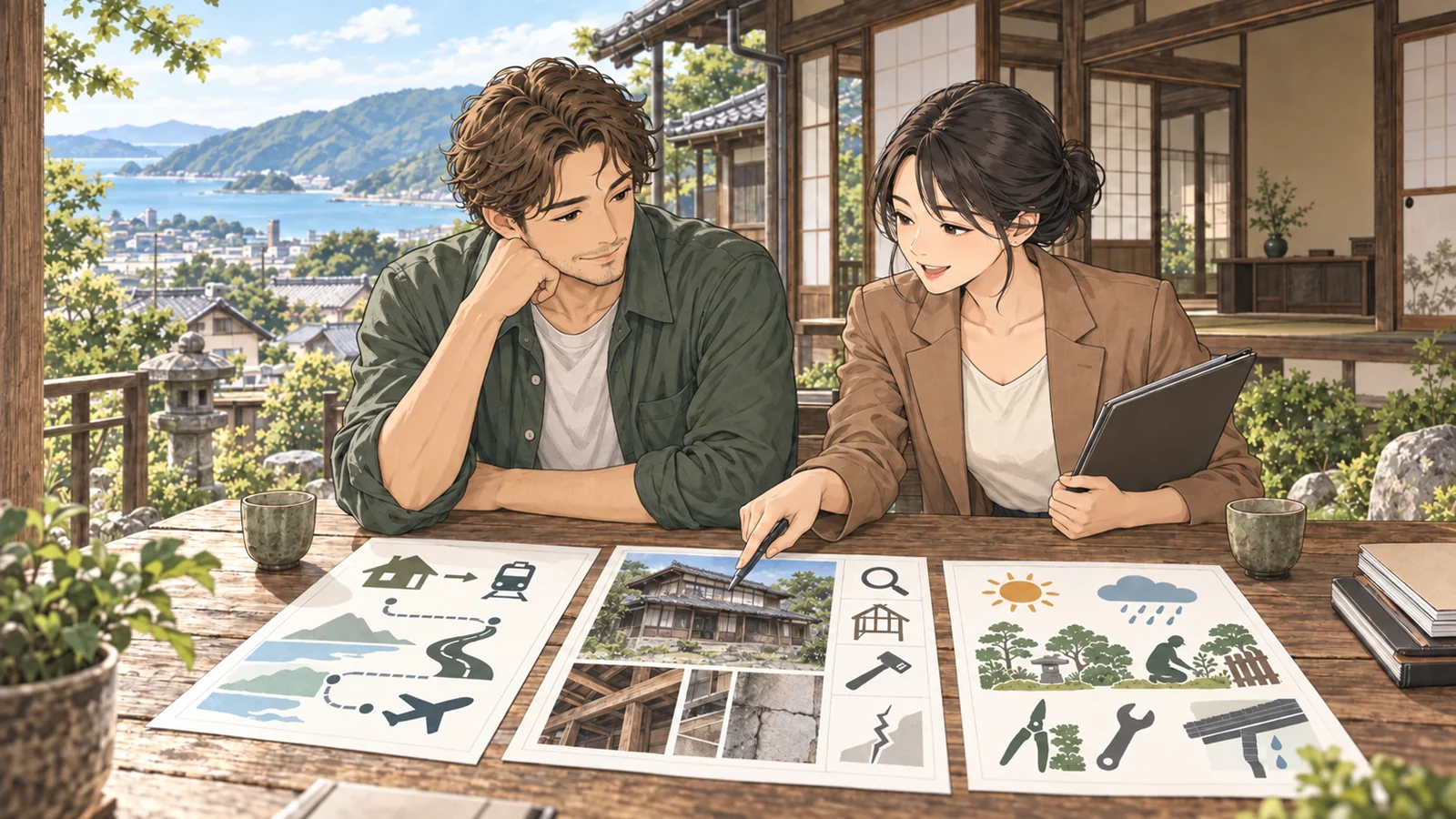
- Use: full-time move, repeated stays, family base, remote work, workshop or occasional second home.
- Route: airport or intercity gateway, final station, bus or taxi, parking and fallback after the last service.
- Daily life: groceries, healthcare, broadband, deliveries, rubbish, community obligations and emergency access.
- Building: roof, moisture, termites, structure, wiring, plumbing, drainage, boundaries and recorded alterations.
- Care: ventilation, garden, snow or salt exposure, heavy-rain response and a trusted local contact.
If you need space for a dog, ask about fencing, shade, road safety, neighbours and veterinary access rather than filtering only by land area. If you plan to buy remotely, specify the evidence required before travel: complete video, room-by-room photographs, a document list, qualified inspection and written estimates. A low asking price should increase the depth of the questions, not reduce it.
Check flood, landslide and tsunami information for the exact address
Hyogo Prefecture publishes flood, tsunami and landslide information, and the national MLIT/GSI Hazard Map Portal helps compare applicable layers. Use these as screening tools, then confirm the latest municipal map, designated evacuation place and route for the parcel. Different parts of Hyogo face different combinations of coast, river, slope, earthquake and winter conditions.
A map layer does not replace an on-site inspection. Ask where water enters and leaves the land, whether a retaining wall is present, whether access crosses a narrow or low road, and what the seller knows about previous flooding, slope movement or storm damage. Even neighbouring parcels can have different elevation, drainage and access. A qualified professional should assess building-specific concerns.
Build the total budget in three separate parts
- Property price: the agreed purchase price, subject to current availability and negotiation by the responsible licensed real-estate company.
- Transaction, tax and professional costs: property-specific estimates for registration, taxes and qualified professional work.
- Renovation and readiness: inspection, repairs, utilities, furnishings, internet, garden, security, insurance and absence management.
Do not replace these estimates with a single percentage. Fixed and minimum costs can make a low-priced home look proportionally expensive, and renovation depends on the actual building. Ask for written, property-specific estimates. Do not assume a subsidy is available: programmes can depend on municipality, residence, relocation, occupancy, work scope and application timing, and visitor or second-home use may not qualify.
Can an overseas buyer progress a Hyogo purchase remotely?
Parts of the process can often be coordinated remotely, but the route depends on the property, seller, documents and professionals involved. A licensed real-estate company handles regulated brokerage, negotiation and contract work. A judicial scrivener handles title-registration work, while legal and tax questions go to the appropriate qualified professionals. Do not assume every signature, inspection or identity check can be completed in the same way.
Akiya Journey can organise your brief in English, gather available listing information, keep communication understandable and coordinate with the responsible professionals. It does not replace them. Before committing, ask for the complete document list, inspection scope, written cost estimates, current status and a clear explanation of what still requires your attendance or original documents.
A practical Hyogo shortlisting sequence
- Choose the living pattern: metropolitan Kobe, Harima services, inland space, northern Tajima or Awaji Island.
- Choose the recurring gateway: airport, intercity rail or road, then test the complete final leg.
- Screen the exact address: parking, groceries, healthcare, internet, weather plan and official hazard layers.
- Request current evidence: complete photos, video, available documents and a qualified inspection.
- Validate the total: property-specific transaction estimates and written renovation and readiness quotations.
Prices, property details and availability reflect the information available when each listing was published. A property may since have been sold, withdrawn, repriced or otherwise changed. Historical examples are not current offers. Confirm the latest status with the listing agent.
Frequently asked questions
Is Hyogo practical without a car?
Some Kobe, Hanshin, Himeji and other rail-corridor addresses can support a train, bus, walking and taxi routine. Many inland, northern and island homes make a car much more important. Check the exact timetable, final walk, groceries and fallback after the last service. Do not transfer a station-centre answer to the whole prefecture.
Is an Awaji or northern Hyogo home a good second home?
It can be if the route, building and care plan fit your use. For Awaji, check salt, wind, drainage, evacuation information and absence management. For Tajima, check snow, heating, pipes, roof and road access. The destination appeal is one criterion, not the due-diligence result.
Are Hyogo renovation subsidies available to overseas second-home buyers?
Do not assume eligibility. Programmes can depend on municipality, residence, relocation, occupancy, renovation scope and application timing. Check the current official rules and your own circumstances before including support in the budget. Visitor or second-home use may not qualify.
Can Akiya Journey search beyond the homes shown online?
Yes. The public selection is a starting point, not the whole market. Share the area, budget, use, access, layout, garden, dog, parking and absence-management criteria that matter. Akiya Journey can organise the brief in English and coordinate a broader search with partner licensed real-estate companies.
Official planning resources
- Hyogo Prefecture: regional overview
- Hyogo Tourism: Tajima and Kinosaki
- Hyogo Tourism: Awaji Island
- Hyogo Tourism: food and regional culture
- Kobe Airport: official access information
- JR West: current route and timetable search
- Hyogo Prefecture: flood maps
- Hyogo Prefecture: tsunami maps
- Hyogo Prefecture: landslide zones
- MLIT/GSI: Hazard Map Portal
Photo credits and licences
- Kobe Meriken Park — Naokijp, CC BY-SA 4.0; cropped, resized and converted to WebP. This adaptation is shared under CC BY-SA 4.0.
- Himeji Castle — Drivephotographer, CC0 1.0; cropped, resized and converted to WebP.
- Kinosaki Onsen — 663highland, CC BY 2.5; cropped, resized and converted to WebP.
- Sasayama Castle — 663highland, CC BY 2.5; cropped, resized and converted to WebP.
- Akashi Kaikyo Bridge — VKaeru, CC BY-SA 3.0; cropped, resized and converted to WebP. This adaptation is shared under CC BY-SA 3.0.
- Akashiyaki — Midori, CC BY-SA 2.1 Japan; cropped, resized and converted to WebP. This adaptation is shared under CC BY-SA 2.1 Japan.


Akiya Journey is not a licensed real-estate company, law firm, tax accounting firm or judicial scrivener’s office. The regulated parts of a purchase — negotiation and contract work, title registration, and legal or tax advice — are carried out by the licensed professionals responsible for them. Akiya Journey organises information in English, keeps you informed as the purchase progresses, and coordinates between you and those professionals. This article is general information only and is not legal or tax advice. Consult the relevant qualified professional before making a purchase decision.