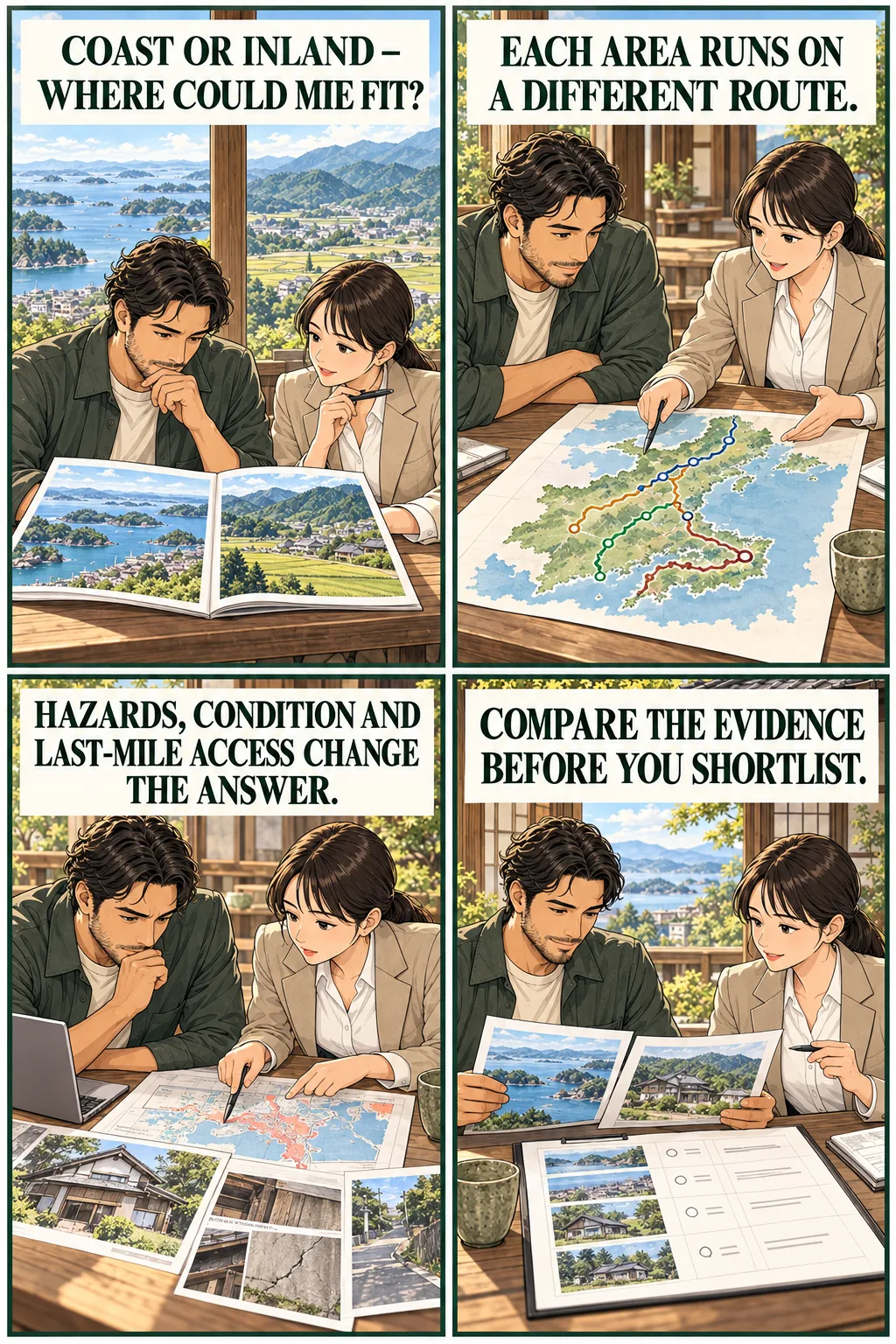
Mie can support several very different versions of life in Japan: a northern or central base with access toward Nagoya and Osaka, an inland routine around Iga and Nabari, an Ise-Shima coastal base, or a quieter southern plan around Owase and Kumano. The useful question is not whether Mie is attractive. It is whether one exact address supports the way you expect to travel, shop, work, care for a building and respond to weather.
This guide helps you compare those patterns before you spend time on individual listings. It uses the official Visit Mie guide, Kintetsu transport information, Mie Prefecture resources and official hazard systems. It does not promise that a town or property is suitable. It gives you a repeatable way to investigate.
Mie at a glance: one long prefecture, four operating patterns
Mie stretches from the industrial and commuter-oriented north, through Tsu and Matsusaka, to Ise-Shima and the mountainous Pacific coast of Higashi-Kishu. Official destination material separates northern Mie, Iga, central Mie, Ise-Shima and Kumano because their landscapes and travel systems differ. For a buyer, that means the prefecture name is only the first filter. The exact home may rely on a different railway, expressway, local road, ferry, clinic, contractor network and evacuation route.
Write down the routine the property must support: full-time living or occasional visits, the people and pets using it, work and internet needs, the nearest essential services, a realistic airport or rail journey, and who checks the building when you are away. Then compare areas against that routine rather than against a holiday itinerary.
Four Mie living patterns to compare
1. Northern and central Mie: city access with a car-dependent last mile
Kuwana, Yokkaichi, Suzuka, Tsu and Matsusaka form different city and suburban contexts along Mie’s main north-south transport corridor. Kintetsu and JR connect parts of this corridor with Nagoya, Osaka and Kyoto, while road access becomes more important away from stations. Do not treat a station name as the complete journey. Test the route from the platform to the door, including the final bus or drive, road width, parking dimensions, traffic at the times you will travel and the latest useful arrival.
Compare a walkable central neighbourhood, a rail-connected suburb and a car-oriented edge. Ask about drainage, nearby rivers, industrial or traffic noise, delivery and contractor access, medical and shopping routes, garden workload and whether a second vehicle can turn and park. Urban proximity reduces some friction, but it does not prove that an older home is ready to occupy.
2. Iga and Nabari: inland access, older fabric and winter mornings
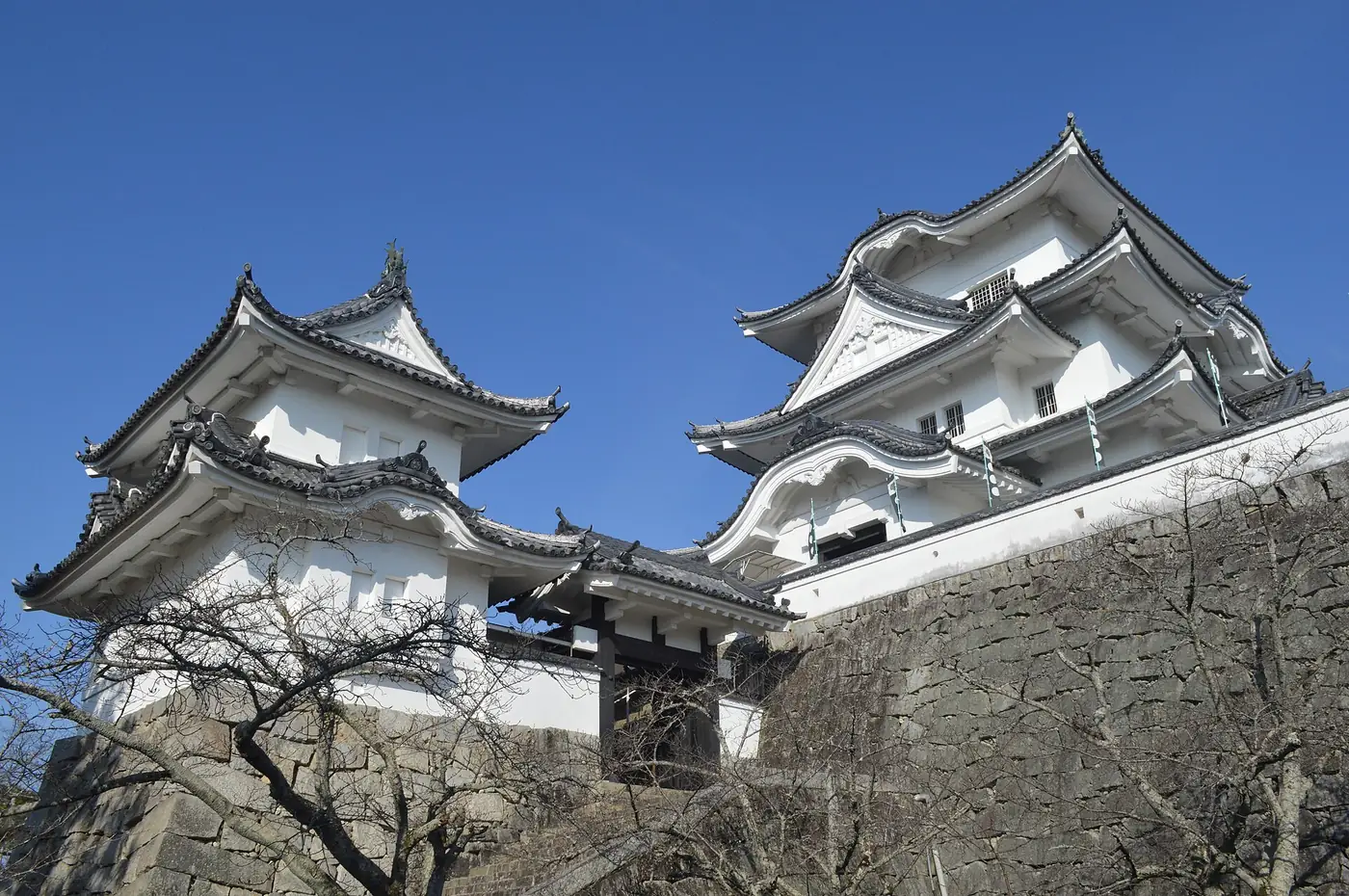
Iga and Nabari sit inland between the Kansai side and central Mie. They can appeal to buyers who want historic streets, fields, hills and a quieter base without choosing the coast. The trade-off is that connections vary sharply by station, road and valley. Compare the ordinary weekday route to Osaka, Nara, Tsu or Nagoya that matters to you, not just the shortest route shown by a planner.
For a village-edge or hillside home, confirm slope, retaining structures, road gradients, winter shade, drainage, mobile coverage and the distance to essential services. Ask whether repair vehicles can reach the property and whether additions, boundaries, water and wastewater arrangements are documented. A traditional appearance is not evidence of structural condition or permitted work.
3. Ise, Toba and Shima: coastal appeal with exact-address exposure
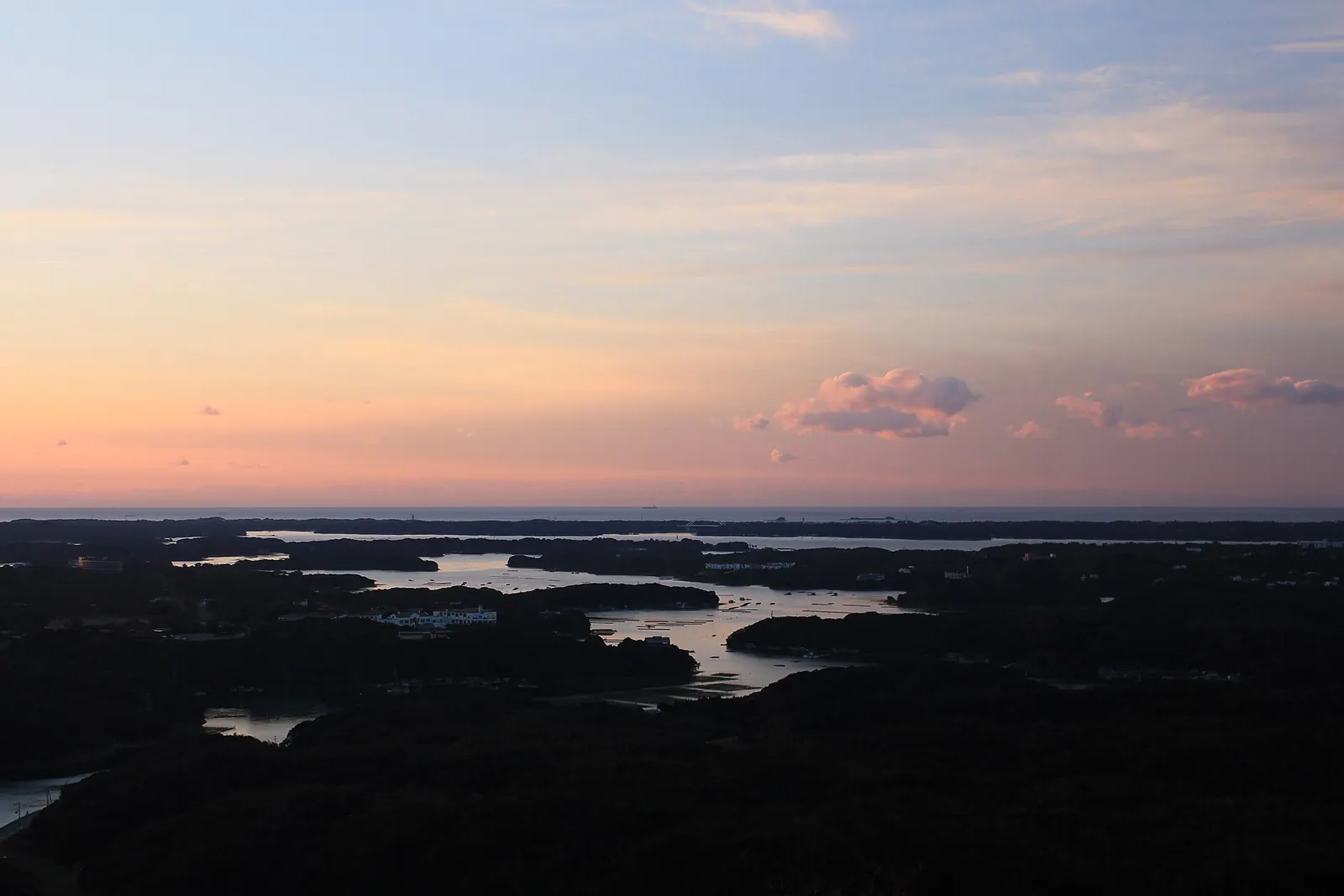
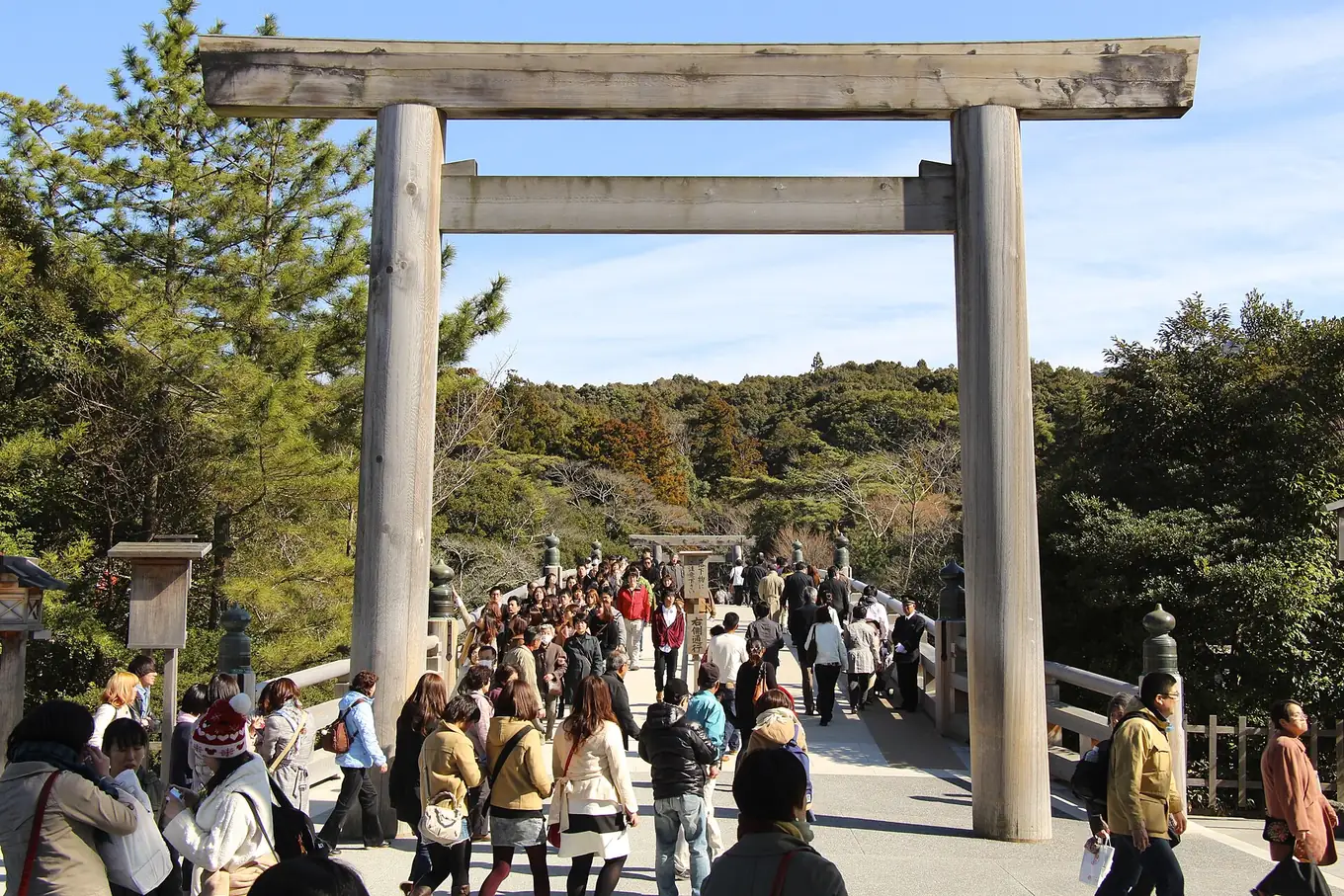
Ise-Shima combines Ise’s religious and market-town context with Toba and Shima’s peninsulas, bays, islands and fishing communities. The official destination guide describes a landscape of Ise Bay, the Kumano Sea and the Kii mountains. For a home search, separate a rail-connected town, a resort or tourism-oriented area, a fishing settlement and a remote peninsula. Their daily services and last-mile access are not interchangeable.
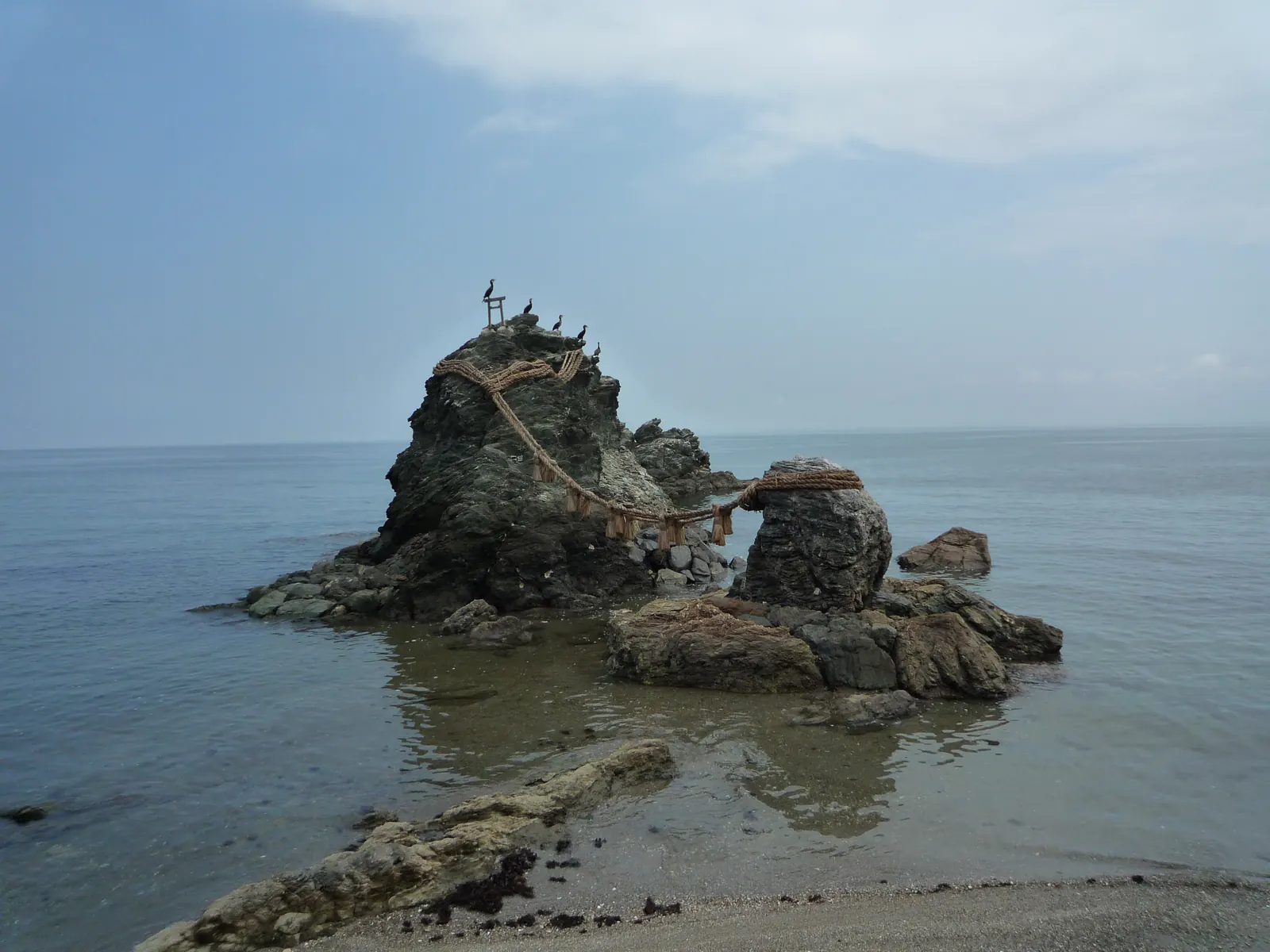
For coastal buildings, request evidence about exterior metals, roof, openings, drainage, moisture and ventilation. Check salt and wind exposure without diagnosing condition from a map. Open tsunami, storm-surge, flood and landslide layers for the parcel and access road, then identify more than one evacuation route. Confirm insurance options and who can secure, ventilate or inspect the home between visits.
4. Owase, Kumano and Higashi-Kishu: distance, rain and recurring care
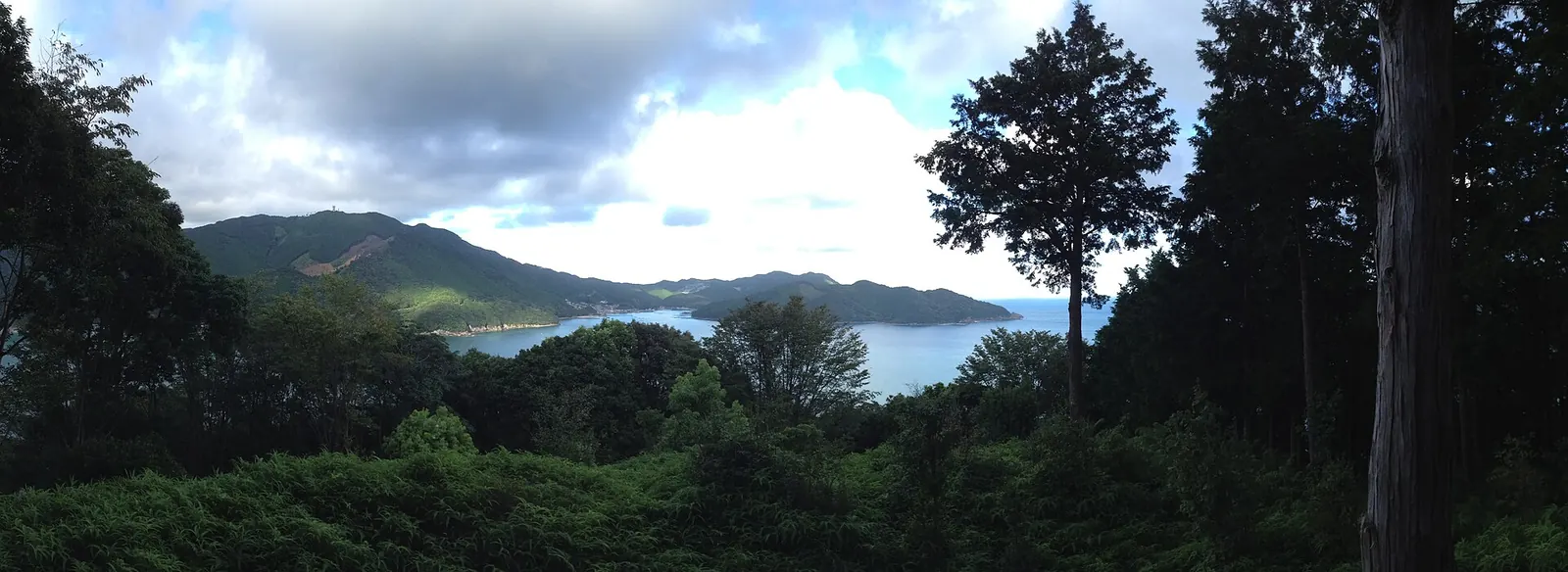
Higashi-Kishu includes the long, mountainous Pacific side around Kihoku, Owase and Kumano. The official Kumano Kodo Iseji guide describes coastal scenery, forest trails and repeated mountain passes. That geography is part of the appeal and part of the operating reality. Test the full road or rail journey, the last practical arrival, severe-weather alternatives and the nearest services that remain useful outside tourism hours.
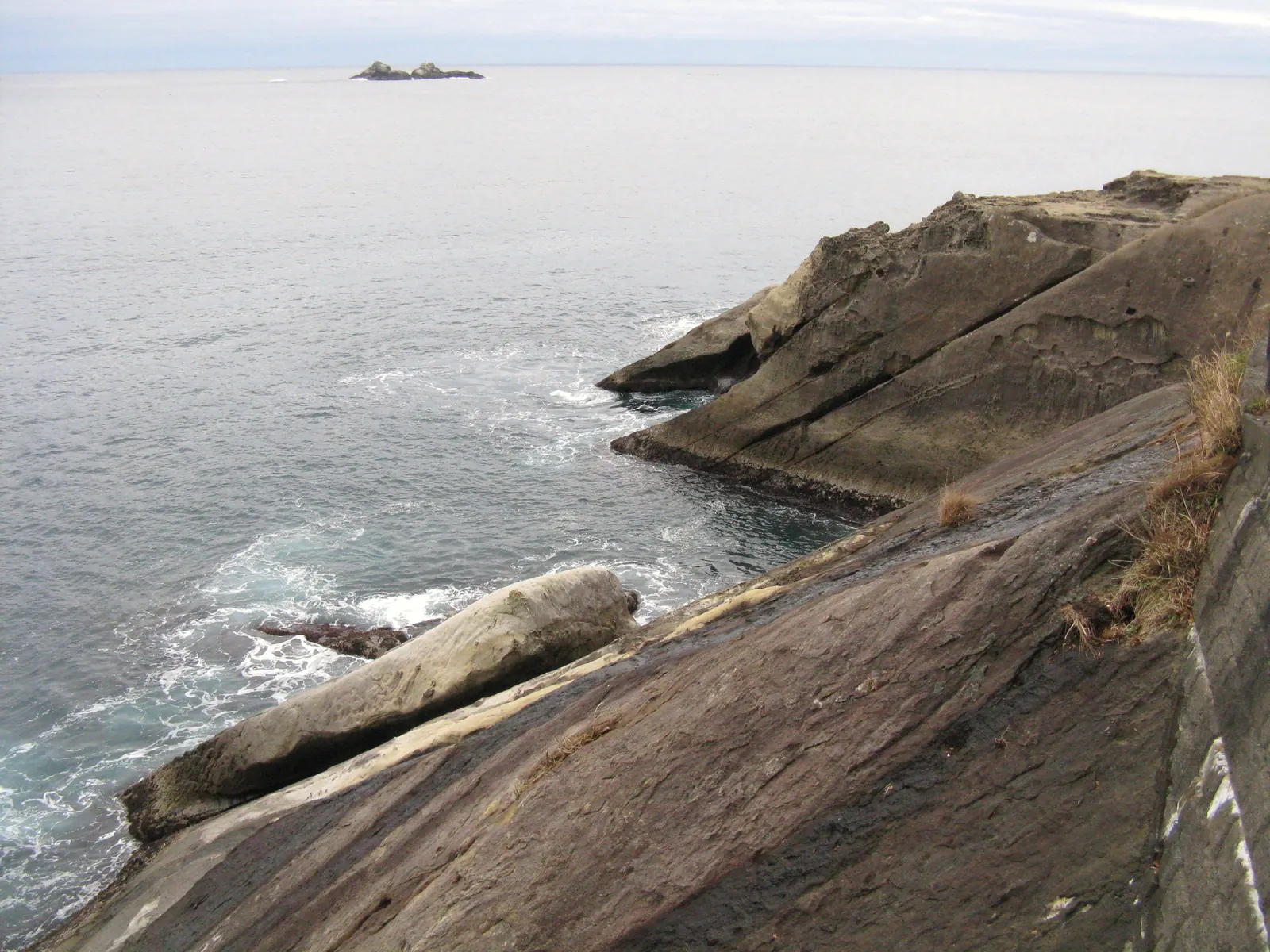
For a remote or second-home plan, record road width, turning and parking, mobile and broadband evidence, water and wastewater arrangements, contractor availability and a local emergency contact. Ask who clears vegetation, checks gutters, ventilates rooms and investigates a leak or outage. If the plan depends on one route or one person always being available, it needs a fallback.
Food and culture are reasons to return — and test daily life
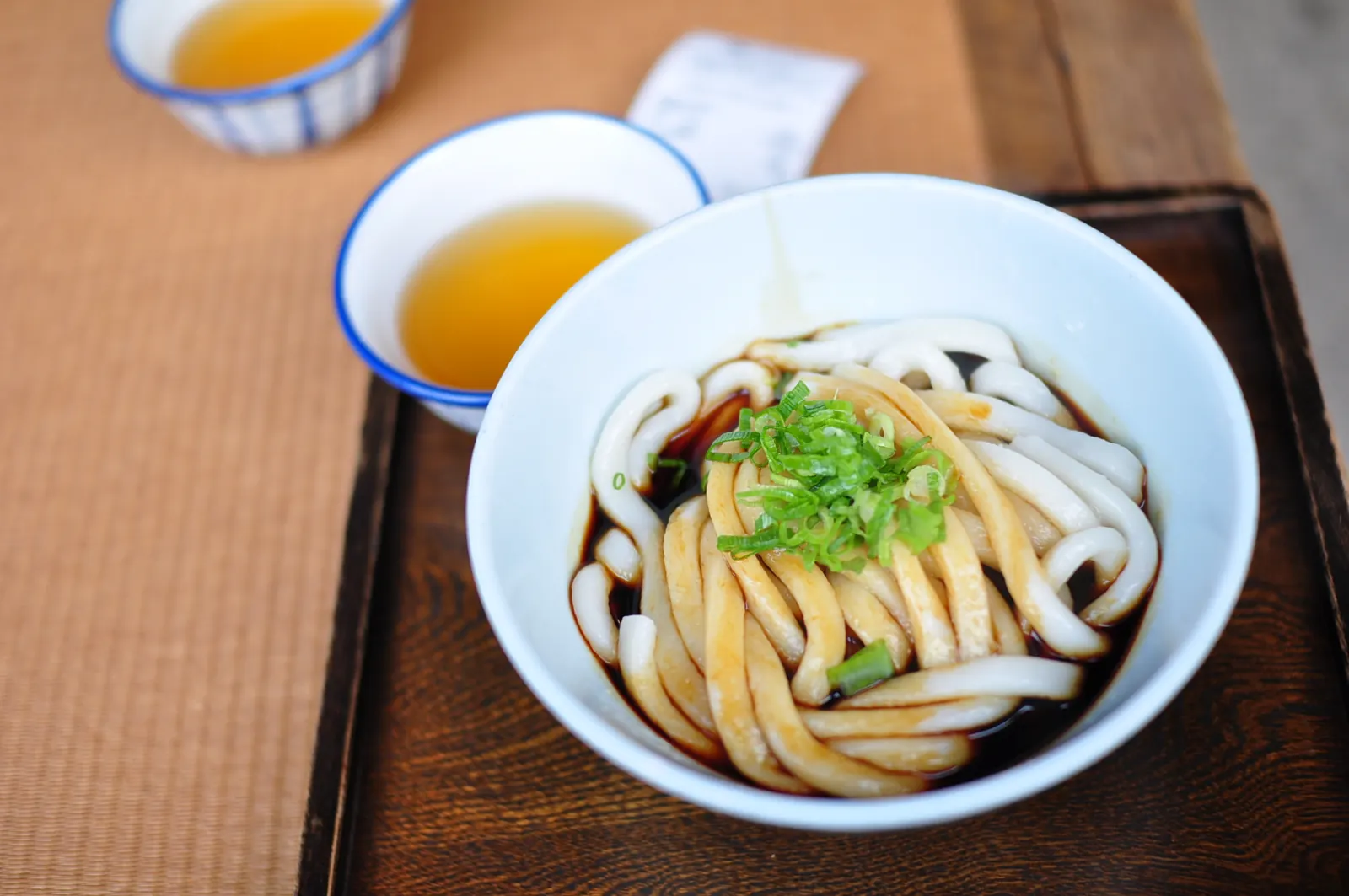
Mie’s Ise traditions, Iga culture, ama divers, pearls, seafood, Matsusaka food culture and Kumano pilgrimage landscape give the prefecture several distinct reasons to return. The official Mie tourism page for Ise udon describes thick, soft noodles with a small amount of tamari-based sauce, maintained as a local food tradition in Ise. The point for a buyer is not to turn culture into a sales slogan. It is to revisit the exact area in different seasons and test the weekday routine that would make ownership sustainable.
On return visits, use a supermarket, clinic, morning train or road, mobile connection and late-evening route. Notice neighbourhood sound, moisture, shade, wind and the time needed to reach the property. Keep the emotional reason for choosing a place, then verify the individual building and legal facts separately through the responsible licensed real-estate company and qualified professionals.
Filter a Mie property with four evidence layers
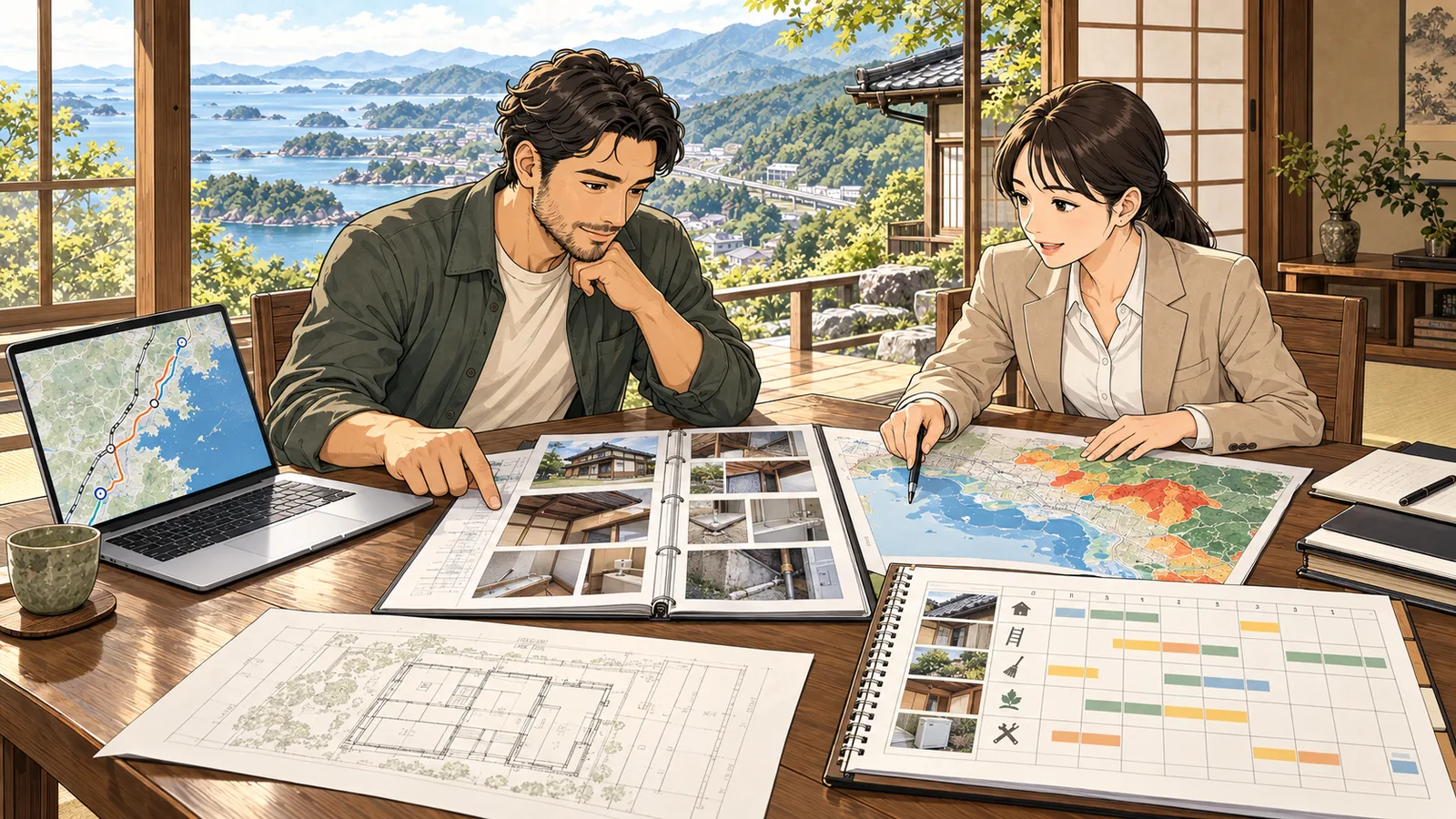
- Daily route: station, airport, work, shopping, healthcare, final walk or drive, last useful service and one fallback.
- Building evidence: qualified inspection of structure, roof, moisture, termites, wiring, plumbing, drainage and recorded work.
- Address-level hazards: applicable flood, tsunami, storm-surge and landslide layers, evacuation destinations and latest municipal guidance.
- Recurring care: ventilation, vegetation, gutters, security, insurance, utilities and a trusted local contact during absence.
Check hazards by exact address
Mie includes Ise Bay lowlands, rivers, ria coasts, exposed Pacific shoreline and steep mountain land, so hazard screening must be address-specific. Mie Prefecture’s Mie Disaster Prevention Navigation guidance explains how to check hazard information around a location. The prefecture also maintains a hazard-map and disaster-map directory, and the national Hazard Map Portal provides combined screening layers.
Open the official layers for the parcel, access road and evacuation route. Coastal addresses may require tsunami and storm-surge review; river and low-ground addresses may require flood and drainage review; slopes, valleys and retaining structures may require landslide and geotechnical questions. A map is a screening input, not a verdict that a property is safe or unsafe. Ask the municipality and qualified professionals to explain what applies to the specific address.
Keep the three budget buckets separate
- Property price: the working purchase figure, subject to current availability and negotiation by the responsible licensed real-estate company.
- Transaction taxes and professional fees: property-specific yen estimates for registration, taxes and qualified professional work.
- Renovation and readiness: inspection, repair, utilities, furnishings, internet, garden, security, insurance and absence management.
Do not turn these into a flat percentage of the asking price. A low purchase price can sit beside substantial structural, access or utility work. Investigate why the price is low: location and demand, condition, access, registry and boundary questions, occupancy or contents, utilities, hazards and sale conditions. Only the responsible qualified professionals can make the technical, legal and tax determinations.
Can a Mie purchase be coordinated from overseas?
Parts of a purchase can often be coordinated remotely, but the route depends on the property, seller, documents and professionals involved. The partner licensed real-estate company handles regulated brokerage, negotiation, the statutory explanation and contract work. A judicial scrivener handles title-registration work. Legal and tax judgements belong to the relevant qualified professionals.
Akiya Journey can organise your brief in English, structure questions, keep the evidence trail visible, provide progress updates and coordinate communication between you and those professionals. Before travelling, decide which decisions need your physical presence, how inspections will be documented and who will manage the property after handover.
A practical Mie shortlist
- Choose two contrasting patterns, such as northern Mie and Ise-Shima, or Iga and Higashi-Kishu.
- Map one repeatable weekday route and one late-arrival fallback for each.
- Open official hazard layers for the exact address, road and evacuation route.
- Request the same building, document, boundary and utility evidence for every home.
- Build three budget buckets and name the person responsible for care between visits.
Homes to explore in Mie
View the current public Mie property selection. Prices, property details and availability reflect the information available when each listing was published. A property may since have been sold, withdrawn, repriced or otherwise changed. Historical examples are not current offers. Confirm the latest status with the listing agent.
Plan the next step
Use the foreign-buyer process guide and akiya inspection checklist to structure your evidence. If Mie is on your shortlist, bring your intended use, travel pattern, budget, preferred setting and care plan to a focused conversation. Book a free 30-minute consultation with Akiya Journey to organise the brief and identify the next evidence to request.
Frequently asked questions
Is Mie mainly a coastal second-home destination?
No. Northern and central cities, inland Iga, Ise-Shima and Higashi-Kishu support materially different routines. Compare the complete door-to-door journey, essential services and absence-management plan rather than choosing by a famous coastal image.
Can Akiya Journey help beyond public listings?
Yes. The public selection is a starting point, not the whole market. Share the area, budget, intended use, access, layout, garden, parking and care criteria that matter. Akiya Journey can organise the brief in English and coordinate a broader search with partner licensed real-estate companies.
Does a coastal view prove a home works as a second home?
No. Verify the final route, storm and salt exposure, official hazard layers, building condition, utilities, insurance options and who will inspect the home after severe weather. A view is a reason to investigate, not evidence of suitability.
Image credits
Ise Jingu: Kanchi1979, CC BY-SA 4.0. Ago Bay: Alpsdake, CC BY-SA 4.0. Iga Ueno Castle: Asturio Cantabrio, CC BY-SA 4.0. Kumano Kodo view: VKaeru, CC BY-SA 3.0. Onigajo coast: 玄史生, CC BY-SA 3.0. Meoto Iwa: Tozanka, public domain. Ise udon: imgdive, CC BY 2.0. All sourced via Wikimedia Commons; images were resized and converted to WebP.
Important disclosure
Akiya Journey is not a licensed real-estate company, law firm, tax accounting firm or judicial scrivener’s office. The regulated parts of a purchase — negotiation and contract work, title registration, and legal or tax advice — are carried out by the licensed professionals responsible for them. Akiya Journey organises information in English, keeps you informed as the purchase progresses, and coordinates between you and those professionals. This article is general information only and is not legal or tax advice. Consult the relevant qualified professional before making a purchase decision.