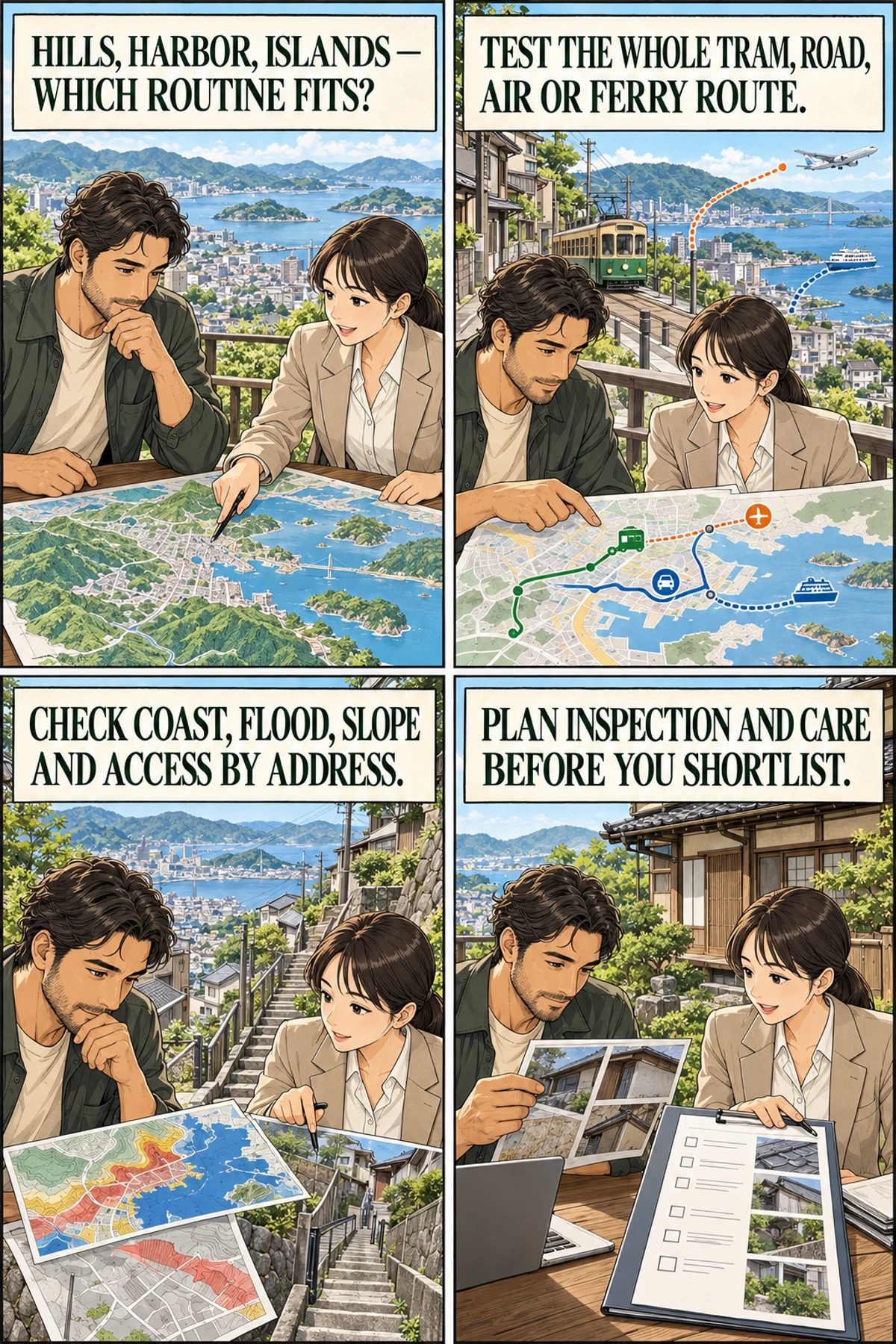
Nagasaki is not one simple housing market. A home in the tram-served basin of Nagasaki City, a steep hillside neighborhood, a mainland town near Omura Bay, the Sasebo area and an outer-island community can require completely different transport, maintenance and emergency plans. The useful question is not whether the prefecture looks beautiful. It is whether one exact address works when you test the whole route, the building evidence and the days when you are outside Japan.
This guide uses official Nagasaki transport, tourism and hazard sources. It does not promise that an area or property is suitable. It gives overseas buyers a practical way to compare Nagasaki City homes with other prefectural living patterns before creating a shortlist.
Nagasaki at a glance: four operating patterns
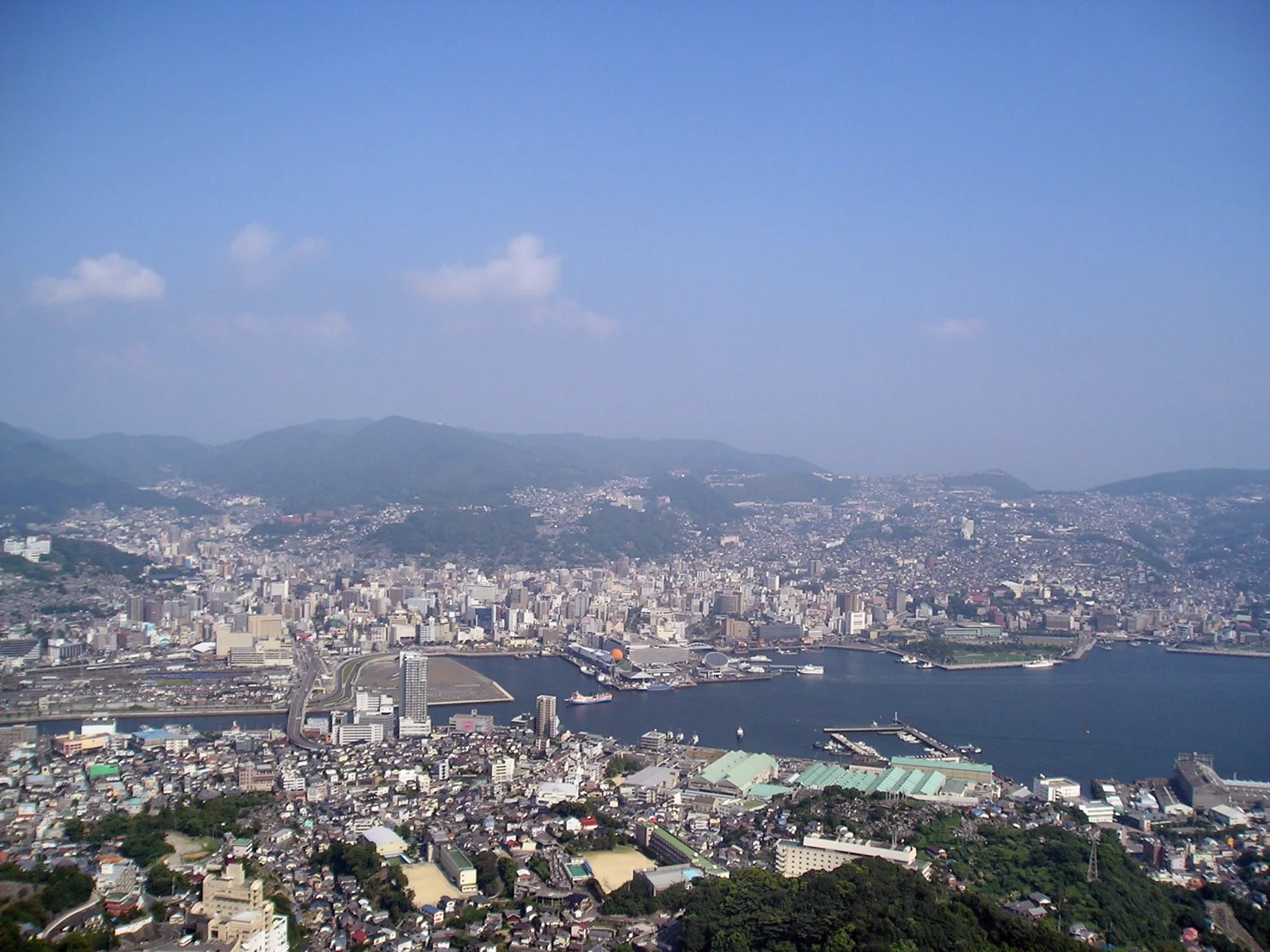
The prefecture’s official access guide connects Nagasaki Airport with Nagasaki City, Omura, Isahaya, Sasebo, Shimabara and other areas by different bus, rail, road and ferry chains. Official island guidance describes separate air and sea routes for Goto, Iki and Tsushima. For a home search, treat these as distinct operating systems.
- Nagasaki City: tram, bus and rail corridors in a compact harbor city, with steep final approaches in many neighborhoods.
- Omura, Isahaya and the airport corridor: mainland road and rail access, employment centers and flatter districts mixed with river, coastal and hillside conditions.
- Sasebo and the northern mainland: a separate city-and-peninsula routine with its own airport transfer, road, rail and island-port connections.
- Goto, Iki, Tsushima and smaller islands: homes whose timetable, vehicle, weather, healthcare and contractor plan must include a sea or air crossing.
Choose an address by routine, not by postcard
1. Nagasaki City: the last climb can decide the home
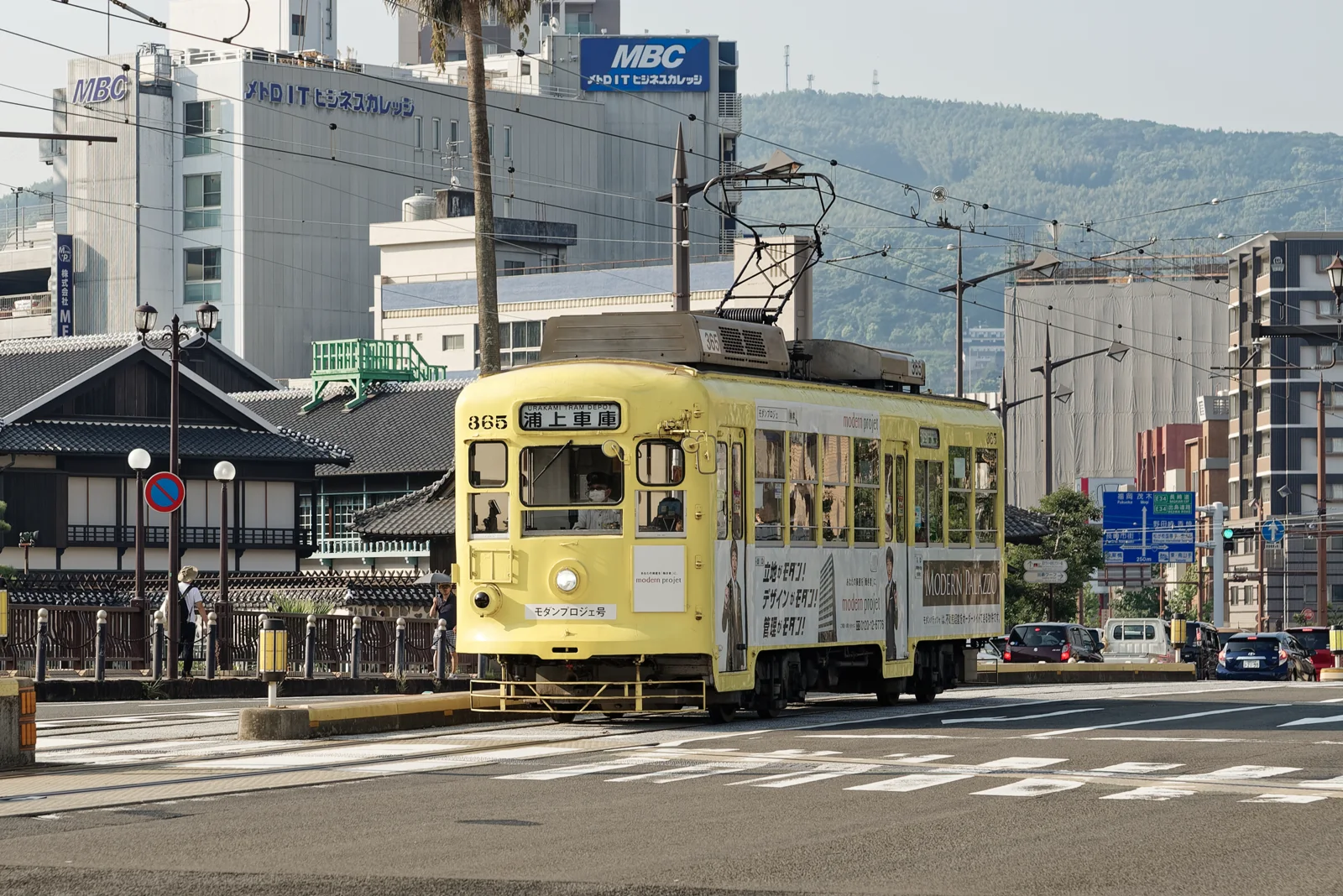
Nagasaki City’s tram network makes selected central districts easier to understand, and the official airport guide lists two principal bus approaches to the city. Neither fact proves that a particular house is convenient. From the nearest stop, walk the real route carrying groceries. Record the gradient, steps, handrails, lighting, surface condition, motorcycle or car access, turning space and what happens in heavy rain.
A hillside address may provide light and a harbor view while also creating practical questions about retaining walls, drainage, roof access, deliveries, renovation materials and emergency vehicles. Ask the licensed agent to identify the legal road access and boundaries. Use qualified specialists to assess the building, retaining structures, services and any work that sits outside an ordinary home inspection.
2. The harbor basin: compact routes still need flood and access checks
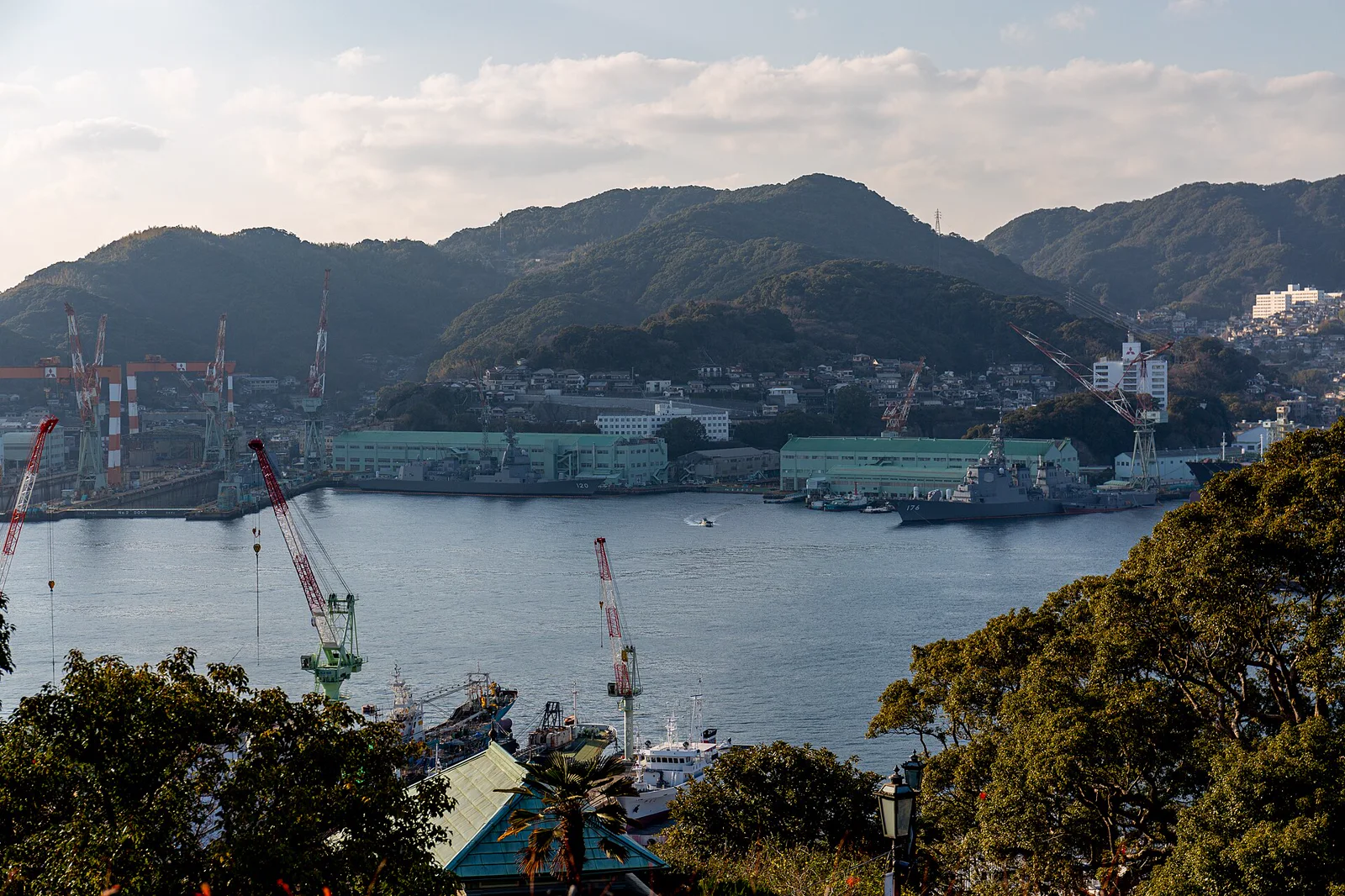
Lower and more central neighborhoods can reduce the final climb and bring shops, clinics, stations and the port closer. They may also place the home near rivers, reclaimed land, low coastal areas or busy roads. Nagasaki City’s official hazard hub publishes separate flood, tsunami, storm-surge, landslide, earthquake and elevation resources. Compare the house, access road, parking area and evacuation route across the relevant layers rather than reading one map as a verdict.
Visit once during an ordinary weekday and, if possible, again after rain. Notice traffic noise, tram or road vibration, drainage, wind, salt exposure, shade and how quickly the neighborhood changes after shops close. A central location can simplify routine life, but the building condition and address-level evidence remain separate decisions.
3. Omura, Isahaya and Sasebo: build the door-to-door chain
Nagasaki Airport sits in Omura Bay rather than in Nagasaki City’s center. The airport publishes different current bus routes for Nagasaki, Omura, Isahaya, Shimabara and Sasebo. If you expect frequent flights, compare the complete trip from the house: local road or rail transfer, luggage handling, early and late options, traffic disruption and the backup if the preferred service changes.
Omura and Isahaya can support different mainland routines from the harbor city, while Sasebo is a separate urban base in the north. Test groceries, healthcare, work, school, contractors and the nearest major station from the exact address. Do not turn regional timetable examples into a permanent travel-time claim. Operators change schedules, and a short map distance can still require a car transfer or an infrequent local service.
4. The outer islands: the timetable is part of ownership
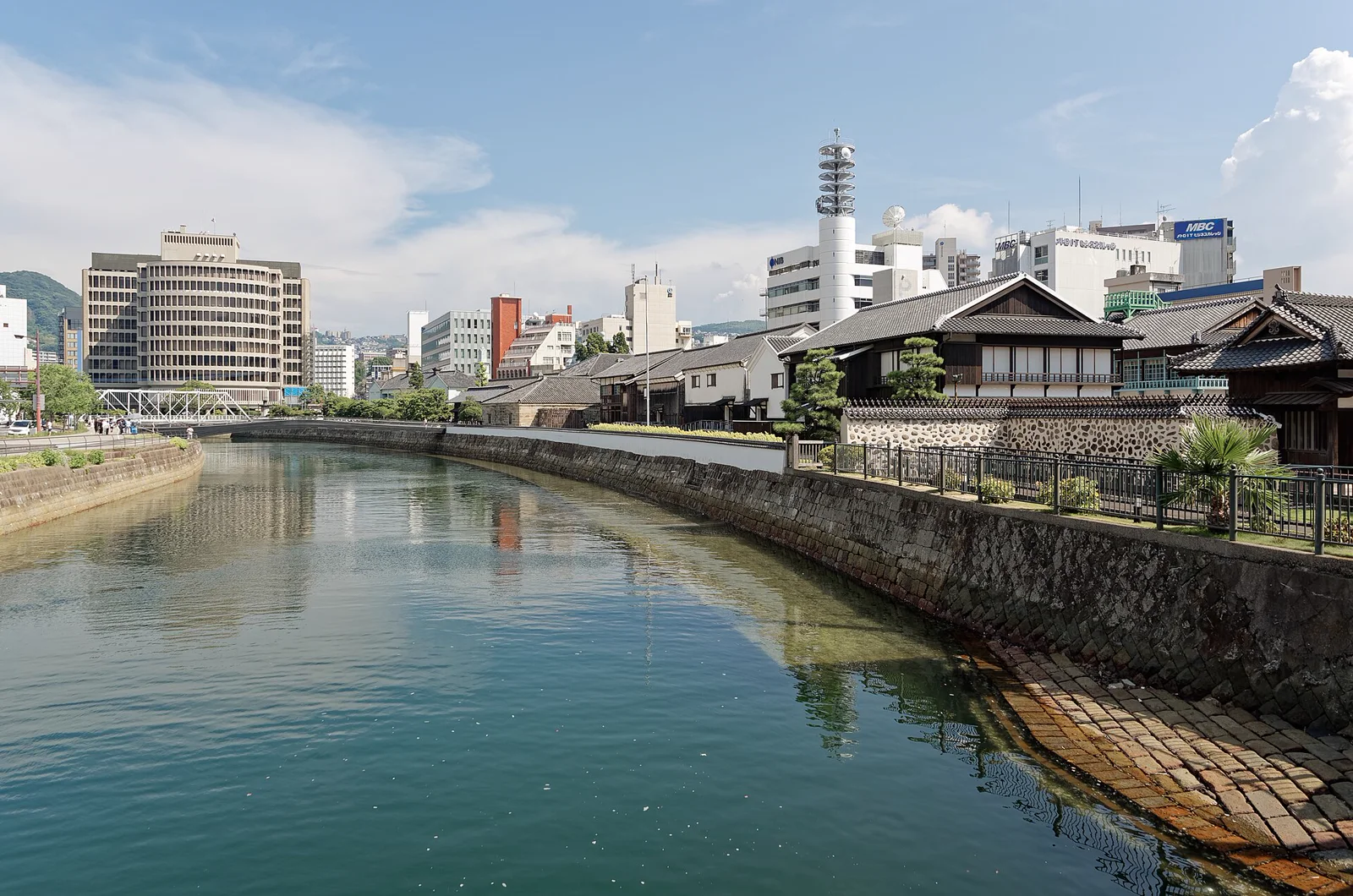
The official prefectural island guide explains that Goto, Iki, Tsushima and smaller islands use different combinations of aircraft, high-speed boats and ferries from Nagasaki, Sasebo, Hakata and other ports. A residential decision needs more than the passenger timetable. Verify vehicle reservations, freight and renovation-material delivery, parking at both ends, last departures, weather disruption, healthcare transfers and the availability of trades on the island.
If the home will be empty for weeks or months, identify who can ventilate rooms, notice a leak, check after severe weather, manage vegetation and coordinate urgent work. Salt, wind, humidity and typhoon exposure can affect roofs, metalwork, exterior finishes and equipment. Ask for inspection evidence and local estimates before treating isolation or sea views as benefits.
Use history and food to test repeat visits
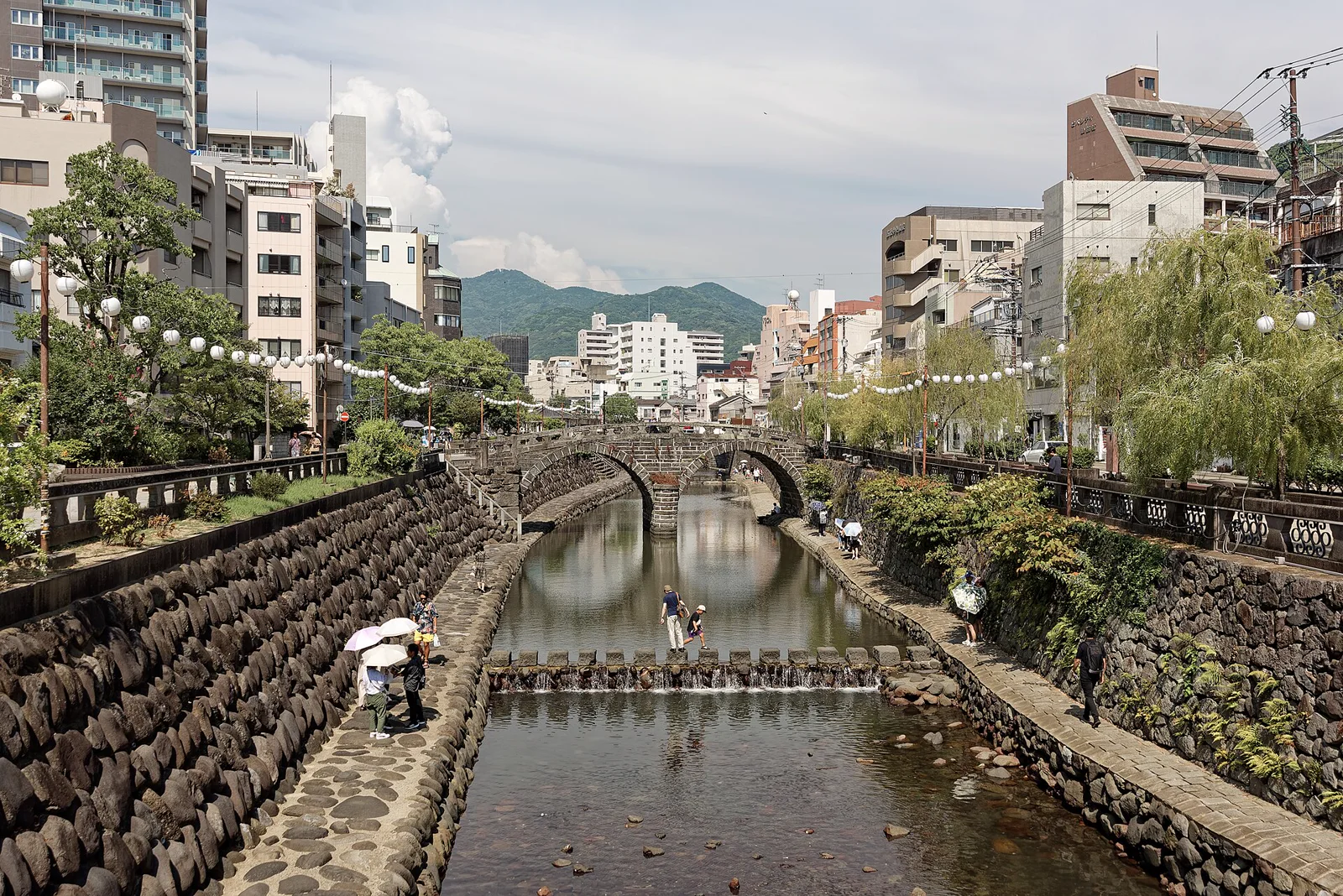
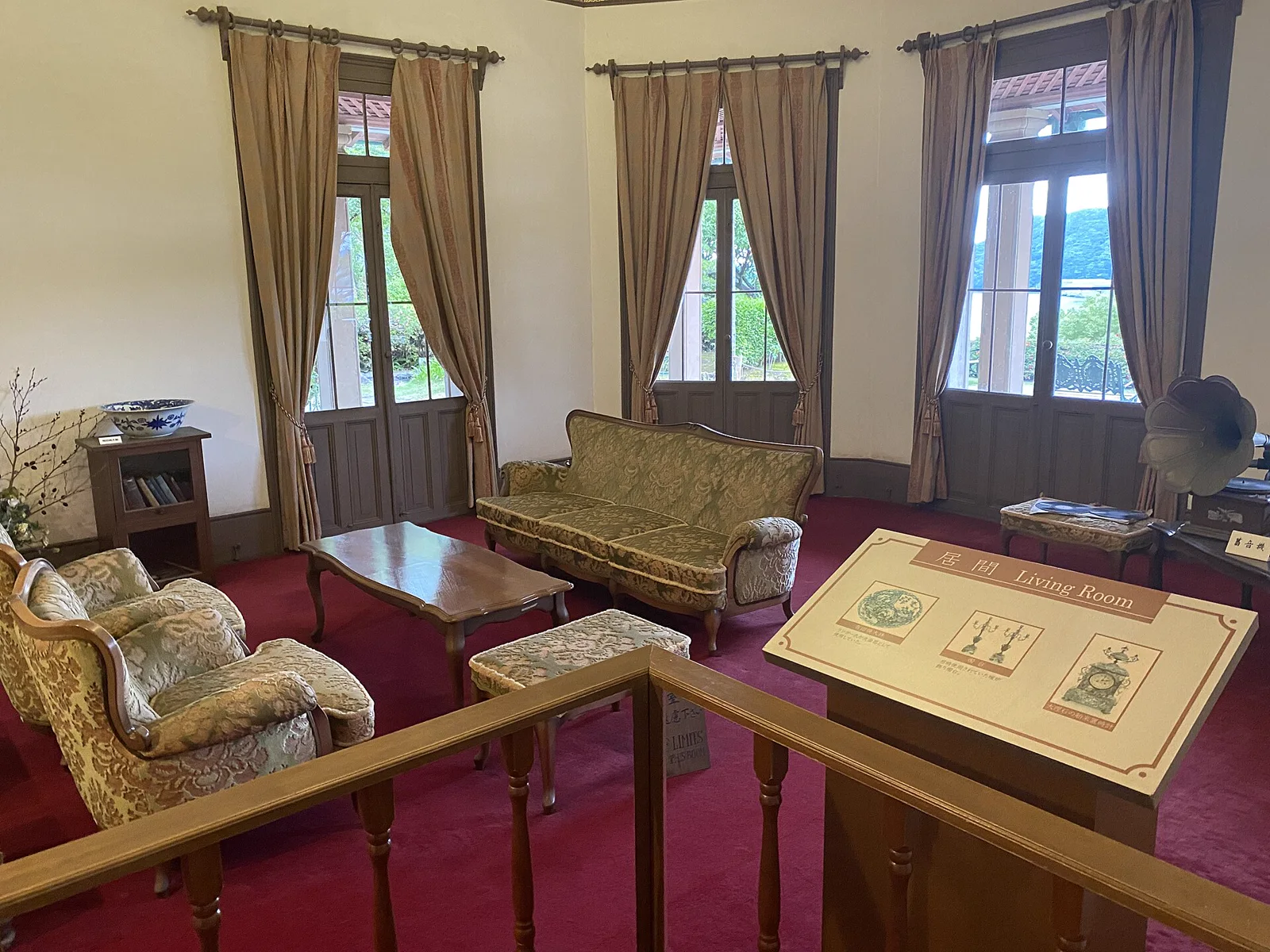
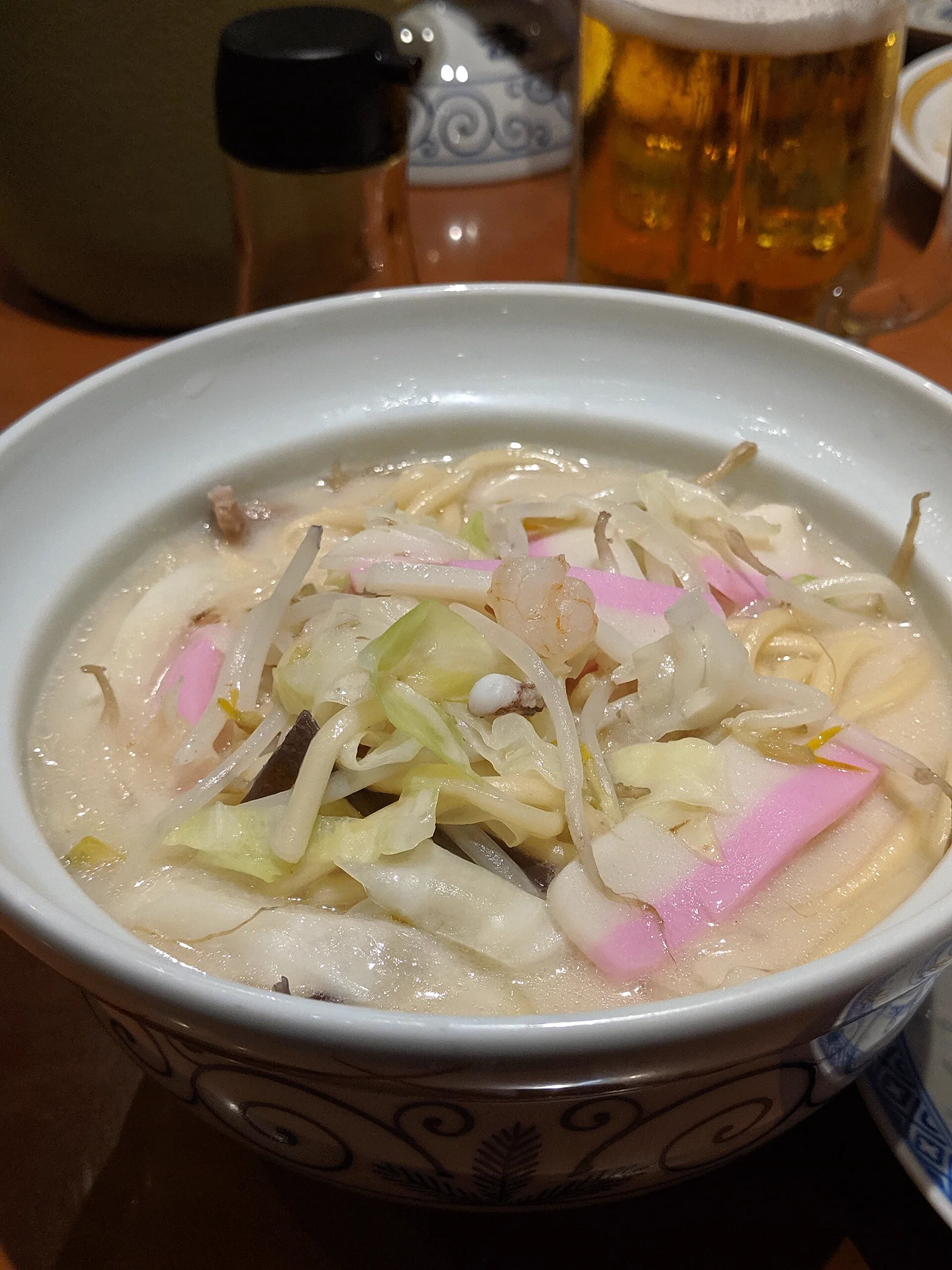
Nagasaki’s port history, hillside streets, faith heritage, industrial landscape and regional food give buyers good reasons to return before deciding. On each visit, add a normal task: take the tram at commuting time, drive the final approach after dark, use the supermarket, locate a clinic, test mobile signal and fixed internet, and time the route with luggage.
Filter each home through four evidence layers
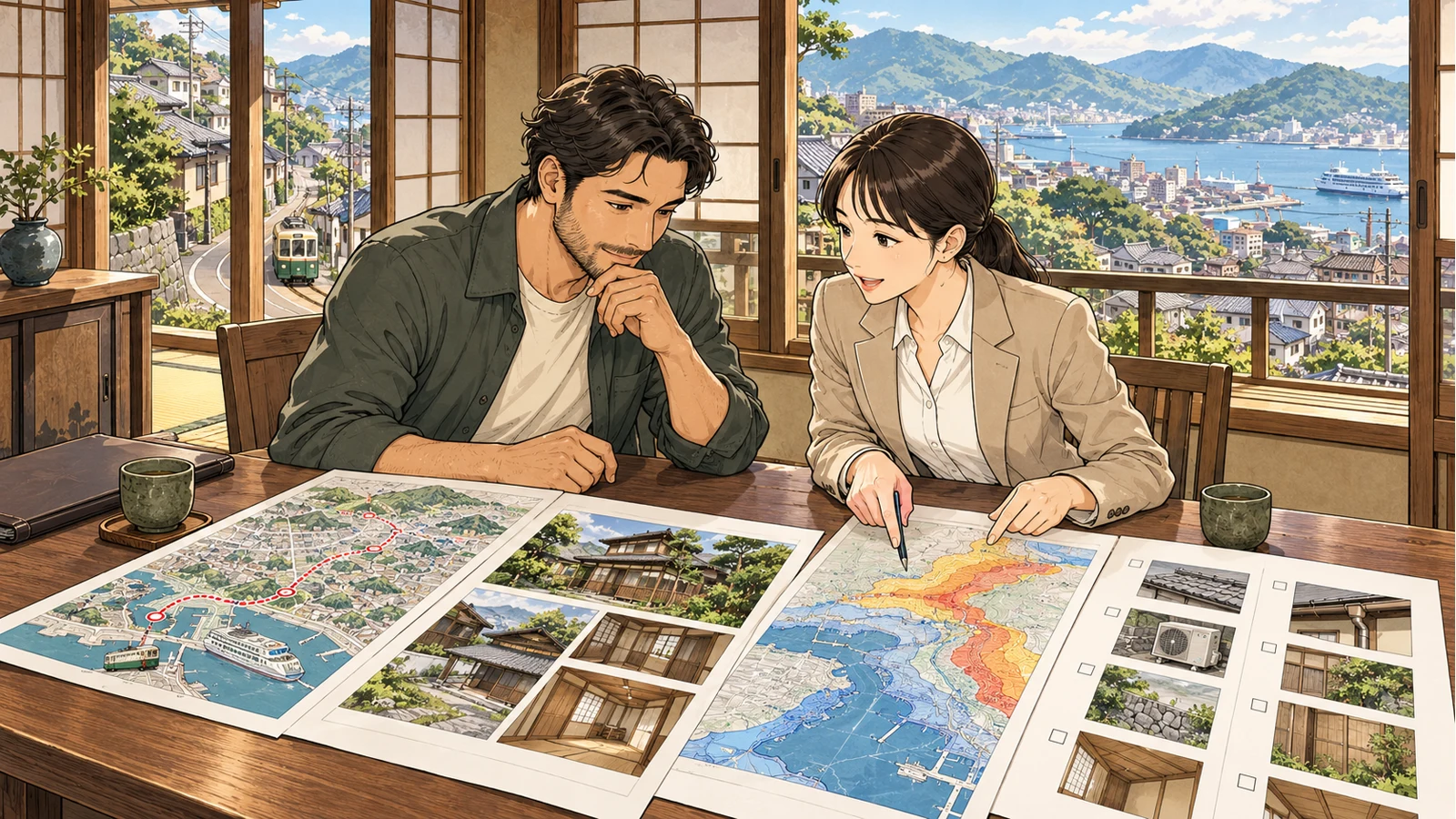
- Actual route: test the complete tram, bus, rail, road, airport or ferry journey from the door.
- Building evidence: separate listing descriptions from a professional inspection and specialist estimates.
- Address-level hazards: check flood, storm surge, tsunami, landslide, earthquake and evacuation information for the property and route.
- Operating plan: identify who checks leaks, drainage, ventilation, vegetation and storm damage while you are away.
Check hazards by exact address
Nagasaki City’s official hazard and disaster map hub links to flood, tsunami, storm-surge, landslide, earthquake and elevation information. The city’s flood guidance explicitly notes its limited flat land, hillside development and exposure to river overflow, urban inundation and slope failure during intense rain. For properties elsewhere in the prefecture, use the relevant municipality’s maps, the prefecture’s disaster GIS and the national Hazard Map Portal.
A map is a screening tool, not a structural opinion or availability guarantee. Save the map layer and date checked. Ask the licensed agent and municipality about the address, legal access and evacuation route, and take building, retaining-wall, drainage and insurance questions to the qualified professionals responsible for them.
Keep the three budget buckets separate
- Property price: the agreed price for the land and building.
- Transaction taxes and professional fees: confirm each item with the responsible licensed or qualified professional.
- Renovation and ongoing ownership: base this on inspections, specialist estimates, access, retaining or drainage needs, insurance, transport, vegetation, salt exposure and absence care.
A low asking price can reflect many possible factors: location and demand, building condition, renovation scope, road access, boundaries or registry matters, utilities, remaining contents, hazards or sale conditions. Treat each as a question. Do not diagnose the property from its price or photographs.
Homes to explore in Nagasaki
View the current public Nagasaki property selection. Prices, property details and availability reflect the information available when each listing was published. A property may since have been sold, withdrawn, repriced or otherwise changed. Historical examples are not current offers. Confirm the latest status with the listing agent.
If the public selection does not match your access, parking, slope, garden or condition requirements, use a consultation to explain the brief rather than assuming that unlisted inventory exists.
Plan the next step
- Choose two area patterns and test each route under ordinary conditions.
- Save official hazard-map notes for the exact address and date.
- Ask who will inspect the building, access, drainage and retaining structures.
- Build separate property, transaction and renovation/ownership budgets.
For help organising a shortlist and the questions to send to licensed agents and qualified professionals, book a free 30-minute consultation with Akiya Journey.
Frequently asked questions
Is Nagasaki City practical without a car?
Selected addresses near tram, bus and rail corridors may support a car-light routine. A steep or distant final approach can change that answer. Test groceries, healthcare and the front-door route rather than relying on the nearest stop.
Can a hillside home work as a second home?
It can, but the access and operating plan matter. Verify road or stair access, deliveries, drainage, retaining structures, inspection evidence and who will check the building after heavy rain or wind while you are away.
Does Akiya Journey act as the real-estate agent?
No. Akiya Journey organises information in English and coordinates communication. Negotiation, contracts, registration, legal and tax work are handled by the responsible licensed or qualified professionals.
Image credits
Mount Inasa panorama — STA3816, CC BY-SA 3.0. Nagasaki tram — Jakub Hałun, CC BY 4.0. Nagasaki harbor — Balon Greyjoy, CC0. Dejima — Jakub Hałun, CC BY 4.0. Megane Bridge — Jakub Hałun, CC BY 4.0. Glover Garden — Immanuelle, CC BY 4.0. Nagasaki champon — NevinThompson, CC BY-SA 4.0. All photographs were resized and converted to WebP.
Important disclosure
Akiya Journey is not a licensed real-estate company, law firm, tax accounting firm or judicial scrivener’s office. The regulated parts of a purchase — negotiation and contract work, title registration, and legal or tax advice — are carried out by the licensed professionals responsible for them. Akiya Journey organises information in English, keeps you informed as the purchase progresses, and coordinates between you and those professionals. This article is general information only and is not legal or tax advice. Consult the relevant qualified professional before making a purchase decision.